Even the most exciting event concept can fail without proper planning. A conference with outstanding speakers may suffer because of poor logistics, while a product launch with an innovative idea can lose momentum if audience engagement is weak.
Fortunately, understanding the most common event planning mistakes can significantly improve your chances of success.
Whether you’re organising a corporate conference, product activation, or exhibition in London or internationally, careful planning, strategic decisions, and attention to detail are essential for delivering a successful event.
Starting Without Clear Objectives
One of the biggest mistakes in event planning is beginning without defining what success looks like.
Clear objectives influence every aspect of an event, including:
- Budget allocation
- Venue selection
- Event format
- Marketing strategy
- Content development
- Success measurement
Before planning your event, ask yourself:
- What is the purpose of the event?
- Who is the target audience?
- What action do we want attendees to take afterwards?
Leaving Planning Too Late
Insufficient planning time often creates unnecessary pressure.
As the event date approaches, decisions become more expensive and more complicated. Last-minute planning can result in:
- Limited venue availability
- Higher supplier costs
- Reduced marketing opportunities
- Increased stress
- Greater risk of mistakes
Planning early provides greater flexibility and allows organisations to maintain control throughout the process.
Focusing on the Event Instead of the Audience
Some event planners become so focused on logistics that they forget who the event is actually for.
Attendees are the most important part of any event. If they don’t receive value from the experience, the event has failed to achieve its purpose.
Consider the following questions:
- Why are people attending?
- What challenges do they face?
- What information are they looking for?
- What type of experience would they enjoy?
The most successful corporate events always prioritise the needs of attendees.
Choosing a Venue Based Solely on Appearance
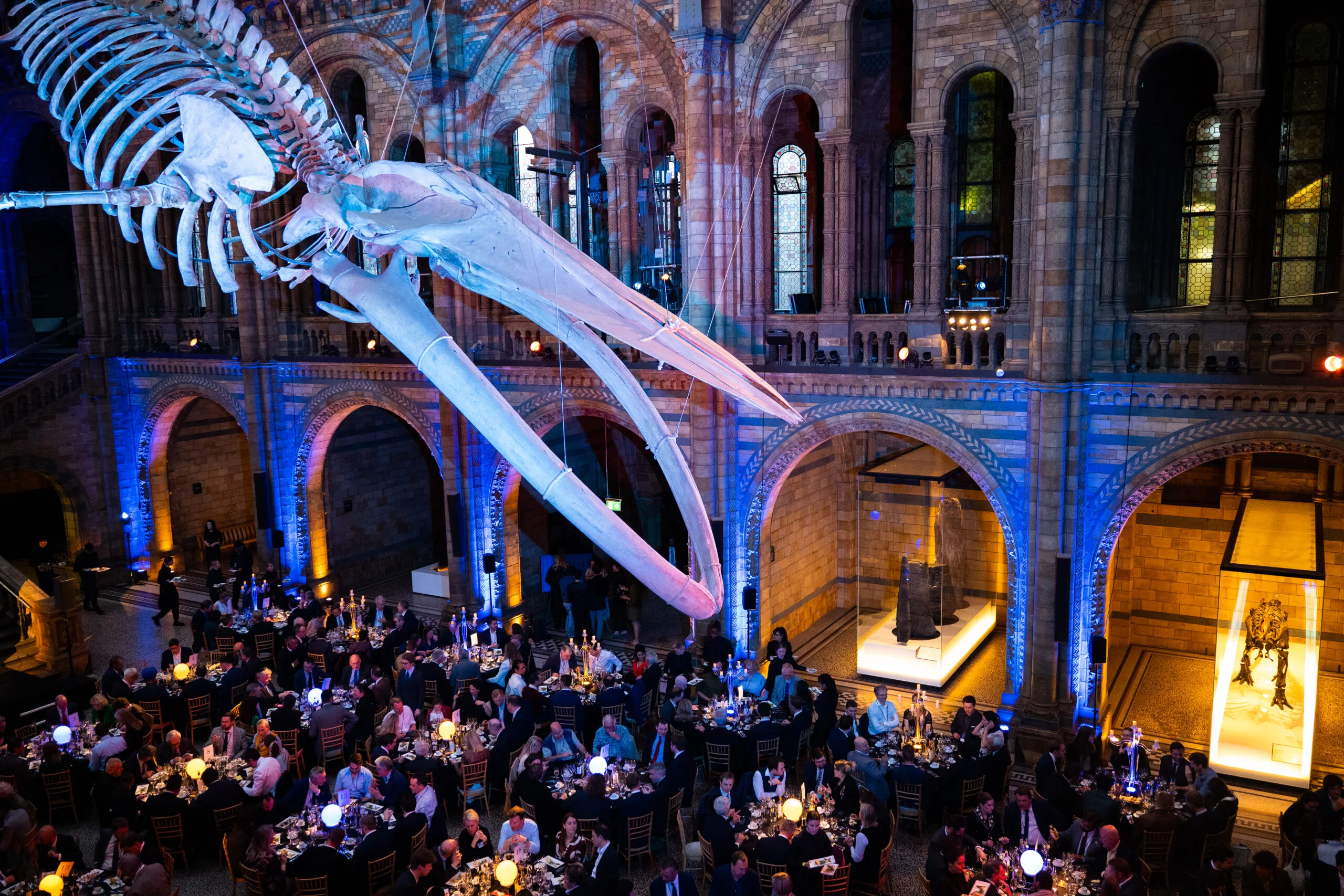
A visually impressive venue may attract attention, but appearance alone should never determine your choice.
The venue should support the event’s objectives and enhance the attendee experience.
Important factors to consider include:
- Accessibility
- Capacity
- Technology infrastructure
- Flexible layouts
- Transport links
- Networking opportunities
- Branding potential
London offers an excellent variety of venues suitable for every type of corporate event.
Underestimating the Importance of Event Technology
Technology plays a vital role in modern events, yet many organisers still treat it as a secondary consideration.
Essential event technology includes:
- Audio systems
- Presentation equipment
- Internet connectivity
- Live streaming capabilities
- Registration technology
- Audience engagement tools
Poor technology can negatively affect presentations and create a frustrating experience for attendees.
Ignoring the Event Journey
Many planners focus only on what happens during the event and overlook the experience before and after it.
Attendees experience an event as a journey that includes:
Pre-Event Communication
- Invitations
- Registration processes
- Reminder emails
- Event information
On-Site Experience
- Arrival and registration
- Navigation
- Content sessions
- Networking opportunities
- Engagement activities
Post-Event Follow-Up
- Feedback collection
- Content sharing
- Lead nurturing
- Relationship building
Every stage contributes to the overall success of the event.
Trying to Include Too Much
Attempting to satisfy everyone often leads to overcrowded and unfocused events.
Avoid:
- Too much content
- Too many speakers
- Excessive information
- Conflicting messages
Quality is always more valuable than quantity.
Overlooking Networking Opportunities
Networking is one of the main reasons many people attend corporate events.
Simply placing people in the same room does not guarantee meaningful interactions.
Successful networking often requires:
- Dedicated networking sessions
- Comfortable meeting spaces
- Discussion-focused activities
- Interactive experiences
- Hosted introductions
Neglecting Brand Consistency
Corporate events are extensions of a company’s brand.
Inconsistent branding can confuse attendees and weaken the event’s identity.
Brand consistency should be reflected across:
- Invitations
- Registration platforms
- Event websites
- Signage
- Presentation materials
- Stage design
- Digital content
- Event communications
Forgetting About Contingency Planning
Unexpected challenges can arise, no matter how carefully an event is planned.
Common issues include:
- Speaker cancellations
- Technical failures
- Travel disruptions
- Weather-related problems
- Supplier delays
Having contingency plans in place enables organisers to respond quickly without affecting the attendee experience.
What Do Successful Event Planners Do?
Successful events are rarely the result of one spectacular idea. Instead, they succeed because planners consistently get the fundamentals right.
Successful event planners:
- Define clear goals
- Understand their audience
- Plan early
- Prioritise attendee experience
- Invest in production quality
- Create engagement opportunities
- Prepare for challenges
- Measure outcomes
These principles apply to conferences, exhibitions, product launches, and brand activation campaigns alike.
Final Thoughts
Mistakes in event planning are common, but most of them are entirely preventable.
By focusing on clear objectives, understanding audience needs, ensuring strong logistics, and maintaining consistent branding, businesses can avoid costly problems and deliver more successful events.
Frequently Asked Questions
Why is audience engagement important?
Engaged attendees are more likely to remember the event, participate actively, build relationships, and take meaningful action afterwards.
How can businesses reduce event planning risks?
Businesses can minimise risks through early planning, supplier management, contingency strategies, and thorough technical testing.
Why should businesses measure event success?
Measuring success allows organisations to determine whether an event achieved its objectives and provides valuable insights for future improvements.
Is professional event management worth it?
For many organisations, professional event management reduces stress, improves event quality, enhances attendee experiences, and delivers stronger business outcomes.
Whether your event is in London or internationally, understanding these common event planning mistakes is the first step towards creating memorable experiences that leave a lasting impression on your audience.