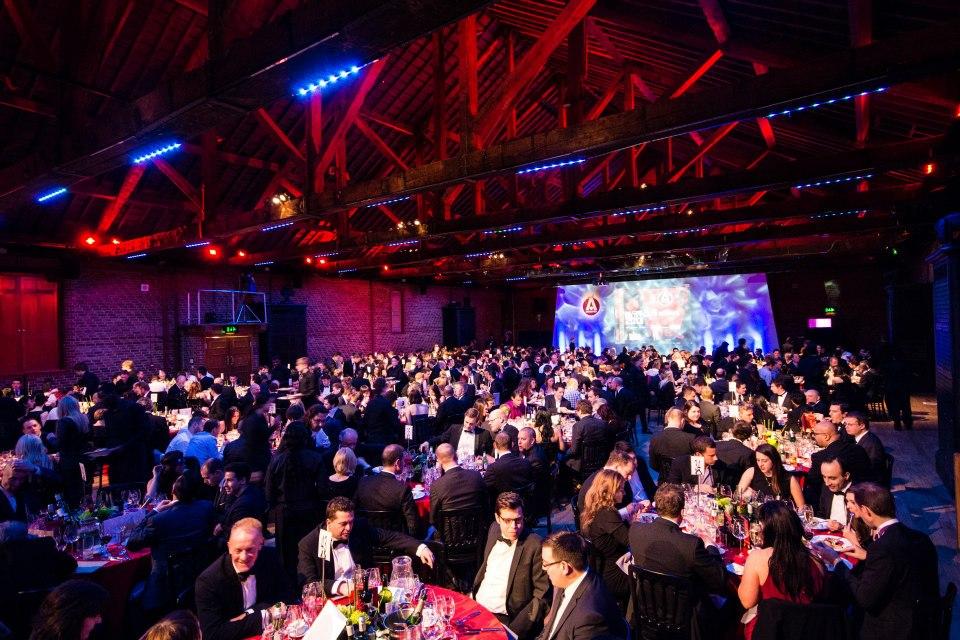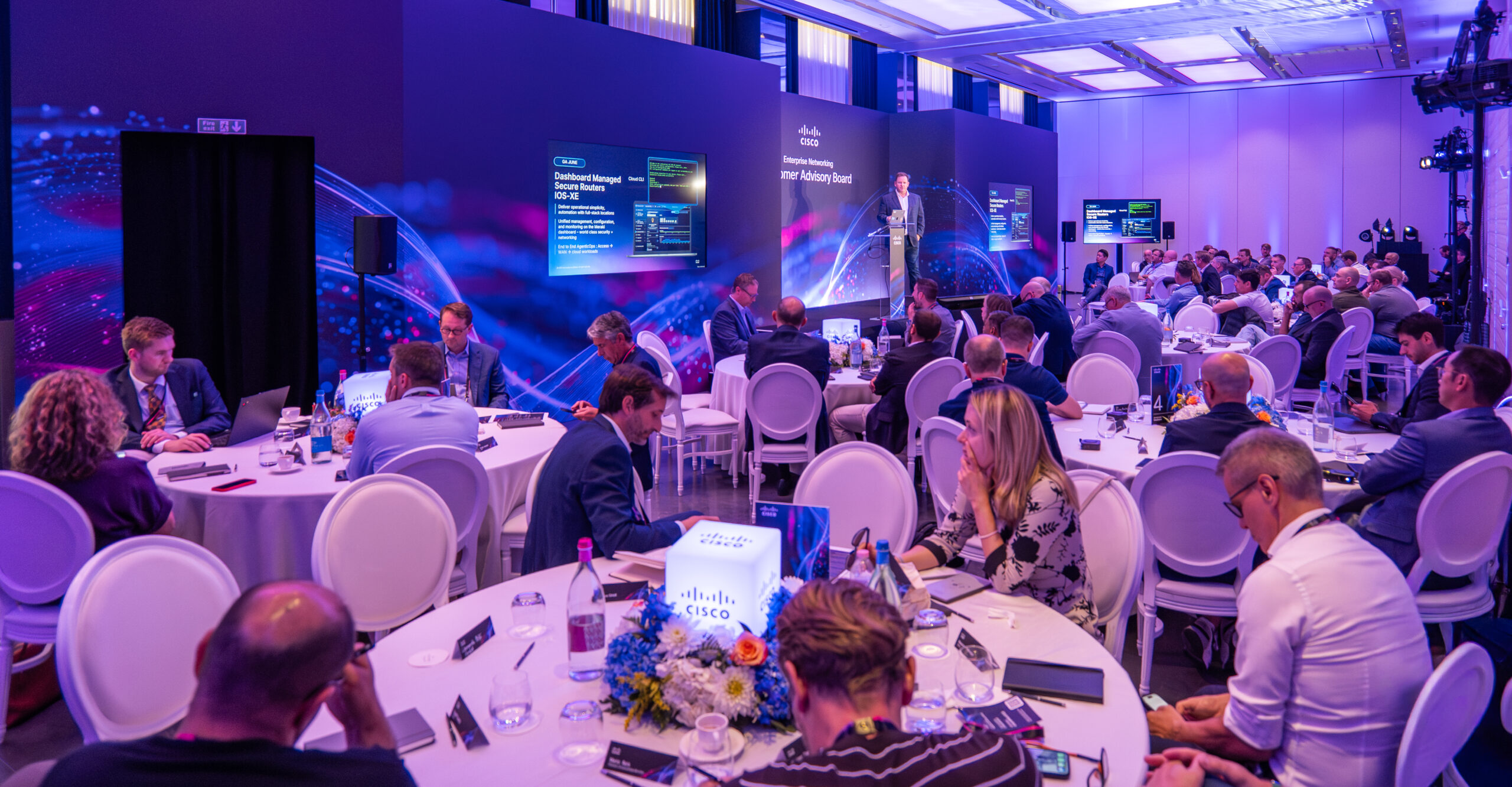
A successful corporate event doesn’t happen by chance. It is the result of careful planning, clear objectives, and flawless execution. Whether you’re organising a conference, product launch, exhibition, networking event, or brand activation, every detail contributes to the overall experience.
Corporate events are more than business gatherings. They provide opportunities to strengthen relationships, increase brand awareness, showcase expertise, and create lasting impressions.
Whether you’re hosting a leadership conference in London or planning an international business event, following a structured planning process will help ensure your event achieves its objectives.
Begin with a Clear Purpose
Before booking a venue or contacting suppliers, define the purpose of your event.
Every successful corporate event starts with clear objectives.
For example:
- A product launch may focus on generating media attention and increasing brand awareness.
- A conference may aim to educate attendees and encourage networking.
- A networking event may focus on building valuable business relationships.
- A brand activation may be designed to engage customers and increase brand recognition.
Having a clear purpose makes it easier to make decisions about your budget, venue, content, speakers, marketing, and how success will be measured.
Understand Your Audience
The best corporate events are designed around the people attending them, not simply the organisation hosting them.
Think about your audience.
- Why are they attending?
- What challenges do they face?
- What do they hope to learn?
- What type of experience will they value most?
Understanding your audience will influence everything from your event format and speaker selection to networking opportunities and overall guest experience.
Set a Realistic Budget
Creating a budget is not simply about controlling costs. It’s about investing in the areas that will deliver the greatest value.
Start by identifying your essential expenses, including:
- Venue hire
- Event production
- Catering
- Branding
- Marketing
- Technology
- Staffing
- Entertainment
It’s also wise to include a contingency fund to cover unexpected costs.
Choose the Right Venue
Your venue does far more than provide a location. It helps shape the entire event experience.
When choosing a venue, consider:
- Accessibility
- Capacity
- Transport links
- Room layout
- Audio visual facilities
- Networking spaces
- Branding opportunities
If you’re welcoming international guests, selecting a venue close to major airports or transport hubs will make travelling much easier.
Create a Balanced Agenda
One of the biggest mistakes event organisers make is filling the schedule with back-to-back presentations.
While educational sessions are important, attendees also value opportunities to network, ask questions, and participate.
A balanced agenda might include:
- Keynote speakers
- Panel discussions
- Live demonstrations
- Interactive workshops
- Networking breaks
- Q&A sessions
Mixing different session formats helps maintain energy and keeps attendees engaged throughout the event.
Pay Attention to the Details
Guests often remember the small details just as much as the headline attractions.
Registration, event signage, catering, staff, presentation quality, and audio visual equipment all contribute to the overall experience.
Professional event production also plays an important role. High-quality lighting, sound, staging, and presentation technology create a polished and professional atmosphere.
Keep Attendees Engaged
The most successful corporate events encourage participation rather than passive observation.
Engagement can be increased through:
- Interactive product demonstrations
- Live Q&A sessions
- Panel discussions
- Networking activities
- Audience polling
- Event apps
- Social media interaction
Technology can also enhance engagement by making it easier for guests to participate and connect throughout the event.
Prepare for the Unexpected
Even the most carefully planned events can encounter unexpected challenges.
These may include:
- Speaker cancellations
- Travel delays
- Technical failures
- Supplier issues
- Last-minute schedule changes
Having contingency plans in place allows your team to respond quickly and minimise disruption to the attendee experience.
Working with experienced event professionals can significantly reduce these risks through effective planning and coordination.
Why Choose The Event Book for Your Corporate Event?
Planning a successful corporate event requires more than coordinating suppliers and managing schedules. It demands strategic thinking, creative ideas, operational expertise, and careful attention to detail.
At The Event Book, we help businesses deliver exceptional corporate events across London, the UK, and international destinations. From conferences and exhibitions to product launches and networking events, our experienced team manages every stage of the planning process.
By combining creative event concepts with seamless execution, we create memorable experiences that engage attendees while supporting real business objectives.
Final Thoughts
Planning a successful corporate event requires clear objectives, thoughtful preparation, and careful attention to every stage of the event journey.
Whether you’re organising a conference, product launch, exhibition, networking event, or brand activation, investing time in proper planning will help create memorable experiences and achieve meaningful business results.
Working with an experienced event management partner ensures every detail is professionally managed, allowing you to focus on your guests while delivering an event that leaves a lasting impression.
FAQs
How far in advance should I start planning a corporate event?
The planning timeline depends on the size and complexity of the event. Large conferences, exhibitions, and product launches often require several months of preparation, while smaller corporate events may require less time.
What is the first step in planning a successful corporate event?
The first step is defining your event’s purpose. Clear objectives guide decisions about budgeting, venue selection, content, marketing, and measuring success.
Why is attendee engagement important?
Engaged attendees are more likely to remember your event, interact with your brand, build valuable connections, and take meaningful action after the event has ended.
Why is choosing the right venue so important?
The right venue influences the guest experience, accessibility, networking opportunities, and the overall success of your event. It should support both your objectives and the needs of your attendees.