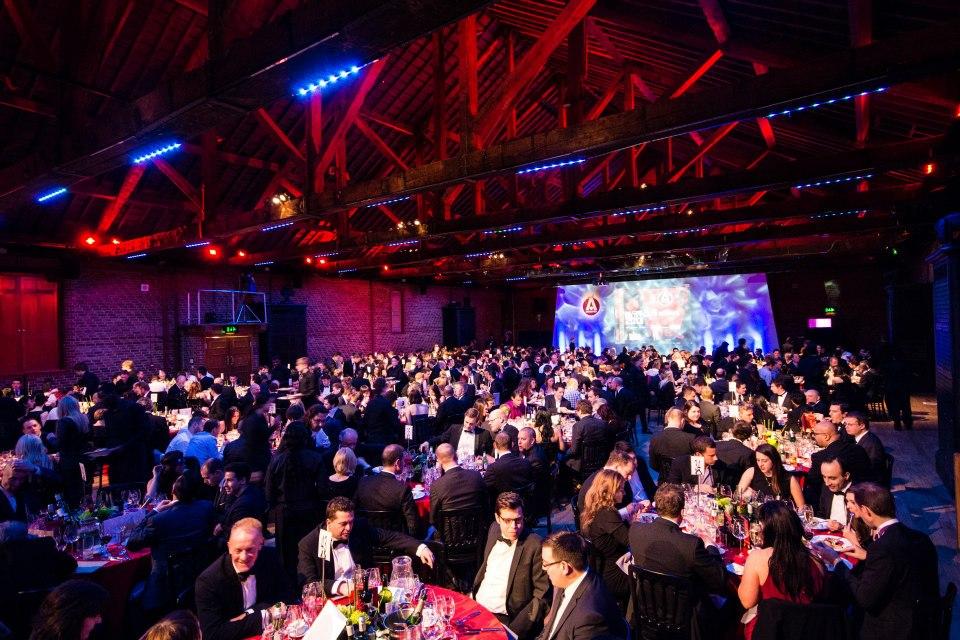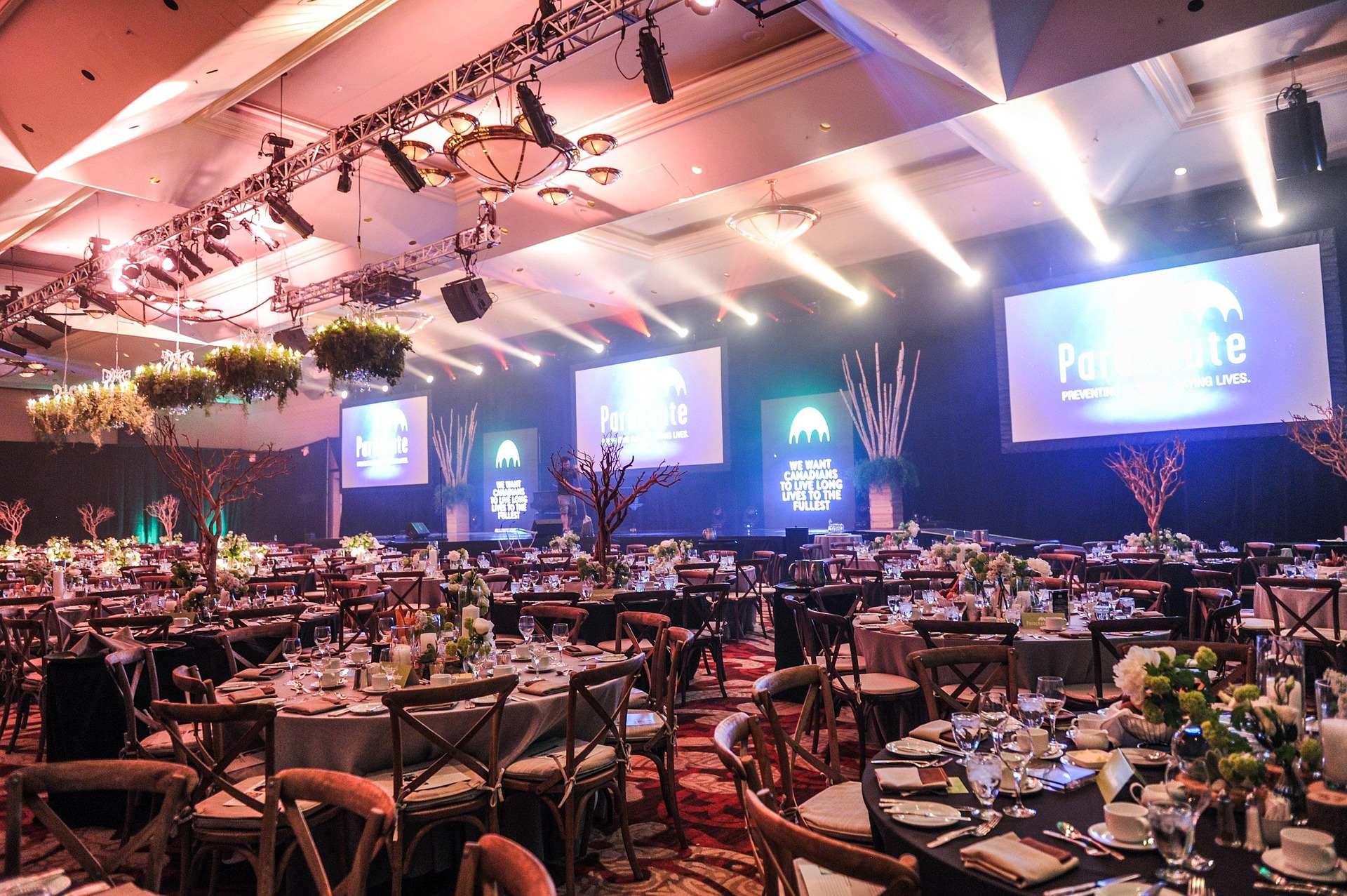
Planning your first corporate event can feel both exciting and overwhelming. Whether you’re organising a conference, product launch, exhibition, or networking event, there are many details to consider. From choosing the right venue to managing suppliers and creating a memorable guest experience, successful event planning requires careful preparation.
The good news is that you don’t need years of experience to organise a successful event. You simply need the right planning process, a clear strategy, and the ability to stay organised. With clear objectives and careful preparation, your event can support your business goals while delivering a positive experience for every attendee.
Every experienced event professional started by planning their very first event. The lessons they learned continue to shape the way they plan today.
If you’re preparing for your first corporate event in London or internationally, these practical tips will help you plan with confidence.
Know Why You’re Hosting the Event
Before booking a venue or contacting suppliers, take time to define the purpose of your event.
One of the biggest mistakes first-time organisers make is jumping straight into planning without setting clear objectives.
Ask yourself what you want to achieve. Are you launching a new product? Looking to strengthen relationships with clients? Generating new business opportunities? Or educating your audience?
Your answers will influence every decision that follows, from your venue and speakers to your marketing strategy and event format.
When your objectives are clear, your planning process becomes much more focused.
Give Yourself Plenty of Time
Almost every first-time organiser underestimates how long event planning takes.
Finding the right venue, confirming speakers, designing branded materials, coordinating suppliers, arranging technical production, and promoting the event all require careful planning.
Leaving these tasks until the last minute often leads to unnecessary stress, higher costs, and fewer options.
The earlier you begin planning, the more flexibility you’ll have throughout the process.
Create a Realistic Budget
Your budget is more than just a spreadsheet. It forms the foundation of your entire event plan.
While major expenses such as venue hire and catering are important, don’t overlook smaller costs, including branding, signage, registration systems, photography, staffing, marketing, and contingency planning.
Building a realistic budget from the beginning helps prevent unexpected surprises later.
Make Your Guests the Priority
It’s easy to become focused on logistics, but the most successful events are designed around the people attending them.
Think about the event from your guests’ perspective.
Is registration straightforward?
Is the venue easy to reach?
Will attendees have enough opportunities to network?
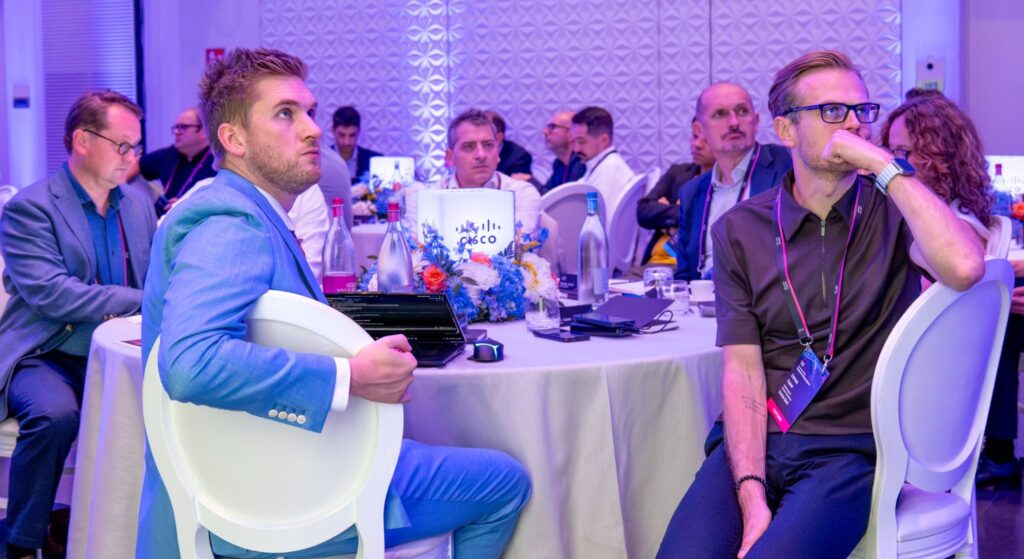
Every decision should improve the attendee journey. When guests feel welcomed, informed, and comfortable, they are far more likely to leave with a positive impression of your business.
Choose the Right Venue
Your venue is one of the first things attendees notice, but choosing the right venue involves much more than appearance.
Consider accessibility, transport links, parking, technology, room layout, networking areas, and overall guest comfort.
The venue should support your event objectives while creating an environment that encourages interaction, learning, and engagement.
Don’t Try to Fit Too Much into the Agenda
Many first-time organisers believe they need to fill every minute of the schedule.
In reality, an overcrowded agenda can leave attendees feeling overwhelmed and reduce opportunities for meaningful conversations.
Allow enough time for networking, refreshments, informal discussions, and breaks between sessions.
Often, these moments become some of the most valuable parts of the event.
Focus on Communication
Even a perfectly organised event can feel confusing if communication is poor.
Attendees should know exactly where to go, what to expect, and how the event will run.
Clear pre-event emails, registration instructions, event updates, signage, and helpful staff all contribute to a smoother and more enjoyable experience.
Expect the Unexpected
No matter how carefully an event is planned, unexpected challenges can arise.
A speaker may arrive late, technical equipment may fail, or travel disruptions could affect the schedule.
The key isn’t avoiding problems altogether, but being prepared to manage them.
Experienced event planners always have contingency plans, backup suppliers, and extra time built into the schedule to minimise disruption.
Why Working with The Event Book Makes a Difference
Planning your first corporate event doesn’t mean you have to do everything yourself.
Working with an experienced event management company gives you access to industry knowledge, creative ideas, trusted suppliers, and professional project management. Instead of worrying about logistics and production, you can focus on your guests and business objectives while experienced professionals manage the details.
At The Event Book, we help businesses deliver exceptional corporate events across London and internationally. From conferences and exhibitions to product launches and networking events, our experienced team ensures every event is professionally managed, creatively delivered, and aligned with your business goals.
Final Thoughts
Planning your first corporate event may seem challenging, but with clear objectives, careful preparation, and a strong focus on the attendee experience, you can deliver an event that achieves real business results.
The most successful corporate events don’t just run smoothly. They create meaningful opportunities for businesses to connect with their audiences, strengthen relationships, and build lasting impressions.
Whether you’re planning a conference, exhibition, product launch, or brand activation, taking the time to plan carefully will always lead to better outcomes.
Remember, every experienced event organiser once planned their very first event. With the right preparation, support, and attention to detail, yours can be a success too.
FAQs
What is the first step in planning a corporate event?
The first step is defining the purpose of your event. Clear objectives help guide decisions about budgeting, venue selection, content, marketing, and measuring success.
How far in advance should I start planning a corporate event?
The planning timeline depends on the size and complexity of the event. Smaller corporate events may require a few weeks of preparation, while larger conferences, exhibitions, and product launches often require several months of planning.
What is the biggest mistake first-time event organisers make?
One of the most common mistakes is leaving planning until the last minute. Rushed planning can lead to higher costs, limited venue availability, unnecessary stress, and fewer supplier options.
How can I keep attendees engaged throughout the event?
Create a balanced agenda that combines informative sessions with networking opportunities, interactive discussions, audience participation, and regular breaks. Using event technology, live polls, and Q&A sessions can also improve engagement.
How do I choose the right venue for a corporate event?
Choose a venue that suits your event objectives, guest numbers, and budget. Consider factors such as accessibility, transport links, capacity, technical facilities, networking spaces, and overall guest experience.
Why is having a contingency plan important?
Unexpected challenges such as technical issues, travel delays, or speaker cancellations can affect any event. Having contingency plans in place helps minimise disruption and ensures the event continues to run smoothly.
Should I hire a professional event management company?
Working with an experienced event management company can save time, reduce stress, and improve the overall quality of your event. Professional event planners manage logistics, suppliers, production, and on-site coordination, allowing you to focus on your guests and business objectives.