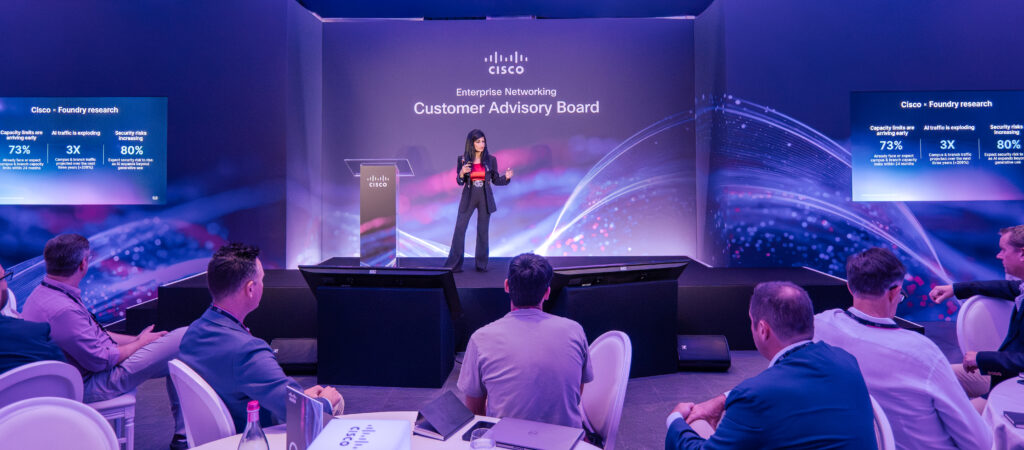
A London event can look straightforward on a planning spreadsheet, then become complicated very quickly. A venue has limited loading access. A senior speaker changes their arrival time. Registration numbers climb in the final week. The brand team needs an experience that feels fresh, while procurement needs every cost accounted for. This is where the right event management companies in London earn their place: not simply by booking suppliers, but by taking responsibility for the detail that protects the guest experience.
For corporate teams, appointing an agency is not about handing over control. It is about gaining an experienced extension of the team – one that can translate a commercial, cultural or people-focused objective into an event that works in the room as well as it does on paper.
What event management companies in London should manage
A full-service event partner should be able to take a brief from its earliest stage through to delivery and post-event learning. The level of support will vary. Some clients need an agency to lead the whole programme; others have an established events team and need senior capacity for a particularly demanding launch, conference or party.
The important question is not whether an agency has a long list of services. It is whether those services connect. Venue sourcing affects production. Production affects the running order. The running order affects catering, registration, transport and the confidence of every speaker waiting backstage. When these elements are managed in isolation, small gaps can quickly become expensive problems.
For a corporate event, that connected support commonly includes venue research and contracting, event concept development, agenda and content planning, delegate communications, registration, supplier management, creative production, AV, entertainment, catering, logistics and on-site management. For international programmes, it may also include travel coordination, local supplier liaison, livestreaming and consistent delivery across multiple locations.
A good agency does not force every client into the same process. A leadership conference for 80 delegates requires a different approach from a 1,000-person Christmas party, an investor event or a multi-market incentive trip. The planning framework should be disciplined, but the experience itself should be designed around the people attending and the outcome required.
Start with the outcome, not the event format
Before comparing proposals, define what success needs to look like. “We need a conference” is a starting point, not a brief. Is the goal to align a dispersed leadership group, generate qualified client conversations, reward high performers, introduce a new strategy or create a stronger sense of belonging?
Clear objectives make better decisions possible. They influence venue choice, agenda length, event technology, speaker format, food and drink, guest journey and the measures used afterwards. They also help avoid a common corporate-event trap: creating a polished occasion that is enjoyable but does not move the intended audience.
An experienced agency should challenge the brief constructively. If an all-day conference is likely to exhaust guests, they may recommend a shorter, more focused programme. If a brand activation needs genuine interaction rather than footfall alone, they should ask what a meaningful engagement looks like. If an employee celebration must work for colleagues who do not drink or cannot attend late at night, the format needs to reflect that reality.
This is where senior involvement matters. The person shaping the approach should understand how creative decisions, operational constraints and business objectives affect one another.
Assess London venue knowledge carefully
London offers remarkable choice, but choice is not the same as suitability. A spectacular space can be wrong for the guest journey, inaccessible for a particular audience or impractical for the production required. Equally, a lesser-known venue may offer better privacy, easier access, stronger value or the flexibility to make the experience feel completely bespoke.
Ask potential agencies how they narrow the search. A useful venue recommendation should consider capacity, location, transport links, accessibility, timing, dietary requirements, loading restrictions, noise limits, security, branding opportunities and contingency options. It should also account for the less visible details: where guests queue, whether cloakrooms can cope at peak arrival, how speakers reach the stage, and what happens if the event runs over.
Strong local knowledge is valuable because it helps an agency spot the practical issues before a site visit becomes a surprise. It can also make a meaningful difference when dates are tight, budgets need careful handling or an unconventional space needs transforming into a credible corporate environment.
Look for operational confidence, not just creative ideas
A compelling concept gets attention. Reliable delivery earns trust. When reviewing event management companies, ask how they run live events and who will be present when it matters.
The answer should go beyond “a project manager will be on site”. You need to understand who owns the schedule, supplier call times, speaker management, registration desk, production cues, guest queries and decisions that cannot wait for approval. For senior stakeholder events, calm judgement on site is every bit as important as imaginative design at proposal stage.
A well-managed agency will build a detailed event plan that covers responsibilities, deadlines, approvals, costs, risk and guest communications. They will coordinate suppliers so that each partner understands the wider picture, not only their own task. They will also plan for reasonable changes: delayed travel, an unexpected dietary request, a missing panellist, adverse weather or a last-minute increase in attendance.
No event can eliminate every variable. The difference is whether the team has anticipated the likely pressure points and can respond without making guests feel the disruption.
Make the budget a working tool
Budget conversations work best when they begin early and remain transparent. A headline figure is useful, but it does not tell an agency where the priorities sit. Is the non-negotiable element the venue, the entertainment, premium catering, production quality, delegate travel or a memorable piece of branded interaction? Knowing this allows the team to spend intelligently rather than apply broad cuts later.
Request a clear budget structure that separates fixed costs, variable costs and provisional items. This makes it easier to see what changes if delegate numbers move, what is subject to supplier confirmation and where contingency sits. It also gives internal stakeholders a clearer basis for approvals.
The lowest proposal is not always the best value. It may omit project-management time, on-site staffing, technical rehearsals, delivery charges, service fees or contingencies that emerge later. At the same time, an expensive proposal is not automatically more considered. Compare the scope, assumptions and level of senior support before comparing totals.
Ask how the agency works with your team
The best agency relationships are collaborative. Your internal team holds essential knowledge about the audience, organisation, approvals, brand and politics around the event. The agency brings the time, specialist network and delivery experience to turn that knowledge into a practical plan.
During early conversations, look for signs that the agency listens well. Are they asking about your audience and decision-making process? Are they honest about constraints? Can they explain what they would need from you and when? Do they adapt their service to the capacity you have available?
This matters particularly when several departments are involved. Marketing may focus on brand impact, HR on inclusion, finance on cost control and leadership on strategic messaging. A capable event partner can bring these perspectives together without allowing the brief to become unfocused.
Questions worth asking before you appoint
A proposal can be beautifully presented and still leave the practical questions unanswered. Before making a decision, ask who will lead the account day to day, what comparable events they have delivered, how costs are approved and tracked, and how they manage supplier performance.
It is also sensible to ask about contingency planning, insurance, data handling for registration, accessibility planning and post-event reporting. For an international programme, ask how local partners are selected and briefed, and who maintains responsibility across markets. The right response will be specific to your brief rather than a generic promise.
References and case studies can be useful, but read them with the right lens. Look for evidence of complexity handled well: changing requirements, unusual venues, senior audiences, tight timings, multi-location delivery or demanding production. A party that looked impressive is one thing; a party that met its objectives while being properly managed is another.
Choose the partnership, not just the proposal
The appointment decision often comes down to confidence. You need to feel that the people handling your event understand what is at stake, will communicate clearly and will care about the detail as much as you do.
At The Event Book, that means working as a senior-led extension of the client team, from the first brief to the final guest departure. The creative direction matters, but so do the registration journey, the supplier calls, the show flow and the quiet problem-solving that allows everyone else to enjoy the occasion.
The right agency should leave your team with more than a well-received event. It should leave you with stronger relationships, useful feedback and the confidence to build on what worked next time.
FAQs
What do event management companies in London do?
Event management companies in London plan, coordinate, and deliver corporate events from start to finish. Their services typically include venue sourcing, supplier management, event production, registration, logistics, on-site management, and post-event reporting to ensure every event runs smoothly.
How do I choose the right event management company in London?
Choose an agency with proven experience in corporate events, strong venue knowledge, transparent budgeting, reliable supplier relationships, and a structured planning process. Ask for relevant case studies and ensure they understand your business objectives before recommending solutions.
Why is local London venue knowledge important?
Local expertise helps agencies recommend venues that suit your audience, event goals, accessibility requirements, and production needs. It also allows them to identify potential logistical challenges before they become costly issues.
What services should a full-service event management company provide?
A full-service event management company should offer venue sourcing, event planning, creative production, AV management, supplier coordination, registration, catering, logistics, entertainment, on-site event management, and post-event evaluation.
How far in advance should I hire an event management company?
For most corporate events, it is recommended to appoint an event management company at least three to six months before the event. Larger conferences, international events, and incentive programmes may require additional planning time.
Why should businesses work with a professional event management company?
A professional event management company reduces operational risk, manages suppliers, controls budgets, solves unexpected issues, and ensures every aspect of the event supports your business objectives while delivering an excellent guest experience.