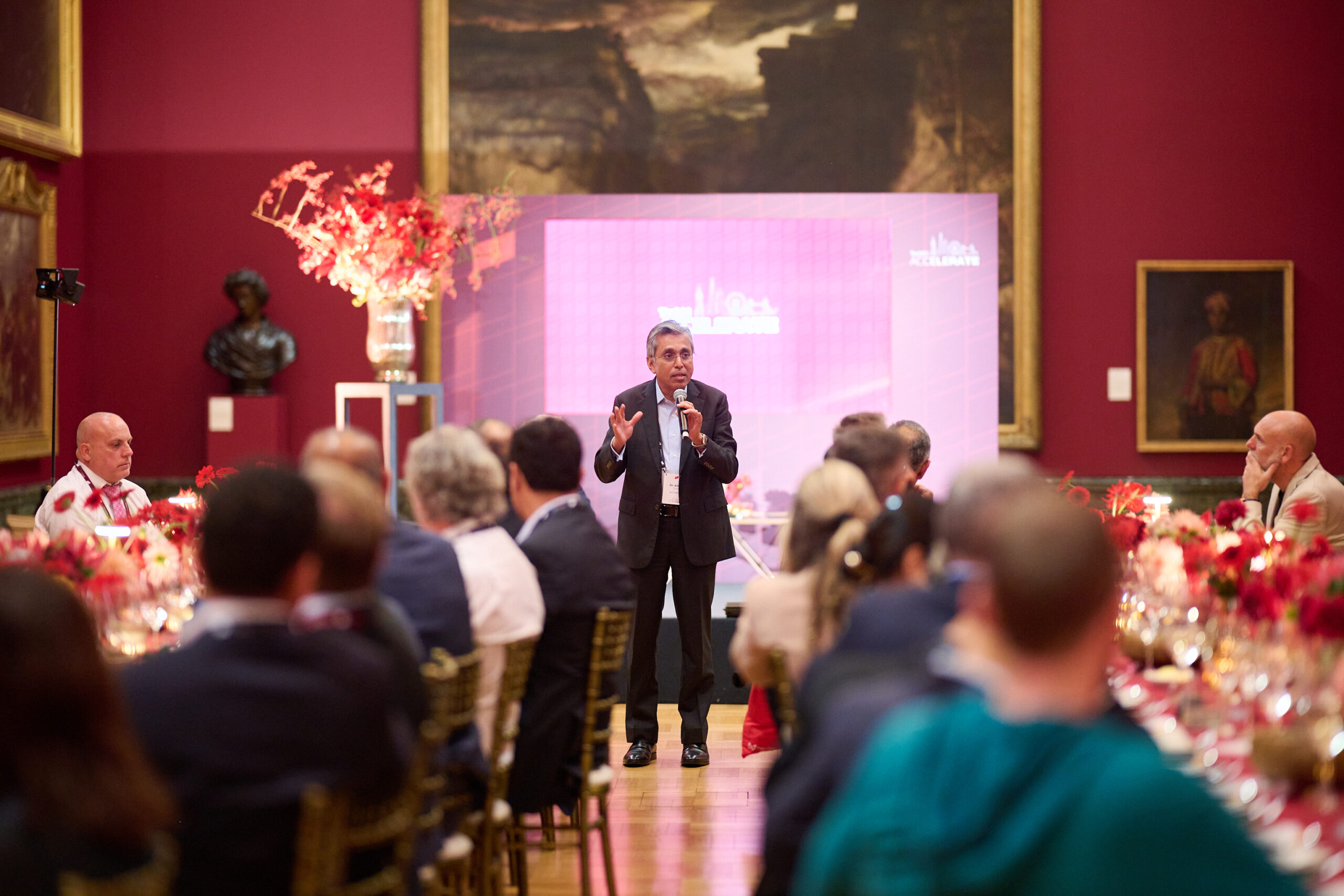
A corporate hospitality invitation is never just an invitation. It asks busy clients, prospects or partners to give up valuable time, often outside the working day, and it quietly signals how much your organisation values the relationship. Corporate hospitality event planning is therefore less about securing impressive tickets or a beautiful private dining room, and more about creating the right conditions for meaningful conversation.
The most successful events feel effortless to guests because the hard work has happened well before they arrive. The audience is carefully chosen, hosts know why each guest is there, the environment supports the intended conversations, and every practical detail has been considered. That level of preparation protects both the guest experience and the commercial value of the occasion.
Start corporate hospitality event planning with the relationship
Before discussing venues, menus or entertainment, establish the outcome the event needs to support. A client hospitality evening may be designed to deepen relationships with existing accounts. A major sporting fixture could provide a natural setting for opening conversations with priority prospects. A leadership dinner might bring together senior stakeholders who need a more candid, unhurried forum than a formal meeting allows.
Importantly, those distinctions matter. They shape the guest list, format, timing, host team and follow-up plan. Without a clear purpose, it is easy to spend generously on an experience that is pleasant but difficult to justify afterwards.
A useful event brief should answer three questions: who do we need to spend time with, what do we want them to feel or understand, and what should happen after the event? The final question is often neglected. If the sales or account team has no agreed next step, even excellent conversations can lose momentum once everyone returns to competing priorities.
Furthermore, hospitality should also sit comfortably within your organisation’s policies. Depending on your sector and guest profile, this may involve approval limits, procurement requirements, anti-bribery guidance, accessibility standards and clear record keeping. Addressing this early is sensible governance, not an obstacle to generous hosting.
Curate a guest list with purpose and care
A full room is not necessarily a successful room. In corporate hospitality, the quality of the mix is usually more valuable than the quantity of attendees. A smaller dinner with the right decision-makers, relationship owners and shared interests can deliver far more than a large event where guests have little reason to connect.
When creating the guest list, look beyond job titles when building the list. Consider the stage of each relationship, the personalities likely to attend, existing connections between guests and any sensitivities around competitors. If customers from competing businesses you invite, separate tables, arrival windows or distinct experiences may be necessary. Equally, do not assume every guest will enjoy a loud, high-energy occasion simply because it is prestigious.
Likewise, timing deserves the same care. A weekday lunch can work well for senior guests who prefer to keep evenings free. A theatre performance or sporting event may suit a relationship where a shared experience adds warmth and excitement. Private dining offers more control when the objective is focused discussion. There is no universally best format – the right choice depends on your guests and the conversation you hope to create.
Make invitations feel personal
A well-designed invitation gives enough detail for a guest to decide quickly: the date, timing, location, dress code, transport arrangements and what the experience involves. It should also feel considered rather than mass-issued. Personal outreach from the relationship owner remains particularly effective for high-value guests, followed by clear written information from the events team.
Once guests confirm, capture dietary requirements, access needs and relevant preferences discreetly. This is not simply good service. Remembering that a guest needs step-free access, avoids alcohol or must leave promptly for a train demonstrates care before the first conversation has begun.
Choose a setting that does some of the hosting for you
The venue or hospitality asset should support the purpose rather than dominate it. A renowned venue can create anticipation, but it must also be practical. Consider journey times, privacy, noise levels, room layout, mobile signal, access, cloakroom capacity and whether the service rhythm leaves space for conversation.
For London-based programmes, venue choice can be especially influential because convenience varies dramatically by time of day. A spectacular location that requires three connections after an evening event may discourage attendance. Sometimes a well-located private room, expertly styled and thoughtfully hosted, is the more persuasive option.
Hospitality around major cultural or sporting events introduces a different set of considerations. Ticket allocations, guest transfer times, shared versus exclusive spaces, branding restrictions and wet-weather contingencies all need careful management. The experience begins at the point guests receive joining instructions, not when the headline act or match starts.
Food and drink should feel appropriate to the audience and occasion. A long tasting menu may be a treat for some groups but can make a short business dinner feel constrained. Offer choice where possible, accommodate dietary needs without drawing attention to them, and make non-alcoholic options feel equally intentional. Corporate Hospitality is inclusive when every guest can participate comfortably.
Design the guest journey, not just the timetable
A run sheet is essential, but it is only the operational version of the experience. The guest journey asks a more useful question: what does each person see, feel and need at every stage?
First, start with arrival. Is the entrance easy to find? Will guests be greeted by someone who knows their name? Can they move swiftly from the pavement, station or car into a welcoming environment? For larger groups, a registration desk may be appropriate. For an intimate dinner, a host with a concise guest list and a warm welcome is often better.
Then consider the moments between the headline elements. These are where hosts need to be most present. A drinks reception, a transfer, an interval or the time before dinner can either feel awkward or become the setting for valuable introductions. Thoughtful seating plans and host briefing are particularly important here. Avoid placing all your colleagues together at one end of the table; distribute relationship owners so guests are looked after naturally.
Brief hosts on more than the schedule. They should understand the event objective, guest priorities, relevant account context, who should meet whom and any subjects best avoided. They do not need a script. They need enough confidence to make useful introductions and to recognise when a guest would prefer a quieter conversation or an early departure.
Build operational certainty behind the scenes
Premium hospitality leaves little room for visible uncertainty. Suppliers need clear responsibilities, deadlines and escalation routes. This includes catering, venue operations, transport, security, entertainment, production, guest registration and any branded elements.
A thorough event plan will cover guest communications, arrival management, table plans, dietary service, contingency transport, weather arrangements, staffing rotas and a live contact list. For events involving tickets, build in a secure distribution process and a solution for last-minute replacements. For international guests, check travel timings, passport requirements where relevant and realistic buffers around airport or rail disruption.
Contingency planning should be proportionate, not theatrical. You may not need a second venue for every dinner, but you do need a response if a VIP is delayed, a train is cancelled, a key supplier is running late or an attendee becomes unwell. Calm decisions on site are much easier when the team has already agreed the options.
This is where an experienced event partner earns its place. The Event Book works as an extension of internal teams, coordinating the detail that can otherwise pull marketing, people and client teams away from their guests. The aim is simple: your hosts should be hosting, not chasing taxis, checking place cards or resolving supplier queries.
Measure what mattered after the guests leave
Attendance is useful, but it is not the whole story. Review the event against the original relationship objective. Did priority guests attend? Were the intended introductions made? Did conversations produce agreed next steps? Has the account team recorded useful intelligence about client priorities, upcoming opportunities or potential concerns?
A short debrief within a day or two is more valuable than a report written weeks later. Bring together the event lead, relationship owners and any senior sponsors while details remain fresh. Note what guests responded to, where the journey felt particularly strong and what could be adjusted next time. Follow-up Keep follow-up personal, timely and relevant to the conversation, rather than a generic thank-you sent to everyone.
The strongest Corporate Hospitality programmes build over time. They use different formats for different relationship moments, learn from guest behaviour and give hosts the confidence to invest time where it matters most. When every choice is made with the guest and the relationship in mind, a corporate event becomes more than a memorable evening – it becomes a reason to continue the conversation.
FAQs
What is corporate hospitality event planning?
Corporate hospitality event planning involves organising business-focused experiences that strengthen relationships with clients, partners, employees and stakeholders through carefully managed events.
What types of corporate hospitality events can businesses organise?
Businesses can organise private dinners, sporting hospitality, theatre events, executive networking receptions, product launches, VIP experiences and client appreciation events.
Why is guest experience important in corporate hospitality?
A well-planned guest experience encourages meaningful conversations, strengthens relationships and leaves a lasting positive impression of your organisation.
How do you choose the right venue for a corporate hospitality event?
Choose a venue based on your event objectives, guest profile, accessibility, transport links, privacy, catering quality and the overall experience you want to create.
What should be included in a corporate hospitality event plan?
A successful plan should include venue sourcing, guest invitations, RSVP management, catering, transport, seating plans, logistics, contingency planning and post-event follow-up.
Why choose The Event Book for corporate hospitality events?
The Event Book manages every aspect of corporate hospitality events, from planning and venue sourcing to guest management, logistics and seamless on-site delivery.