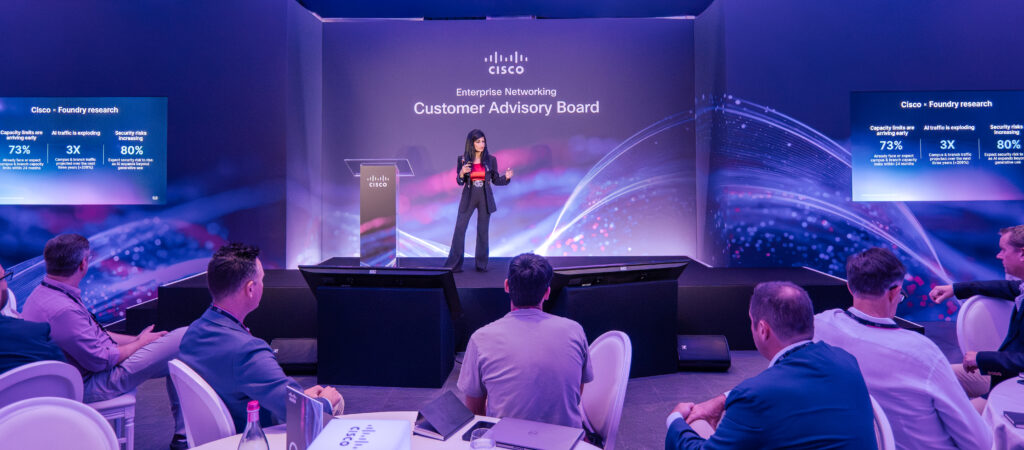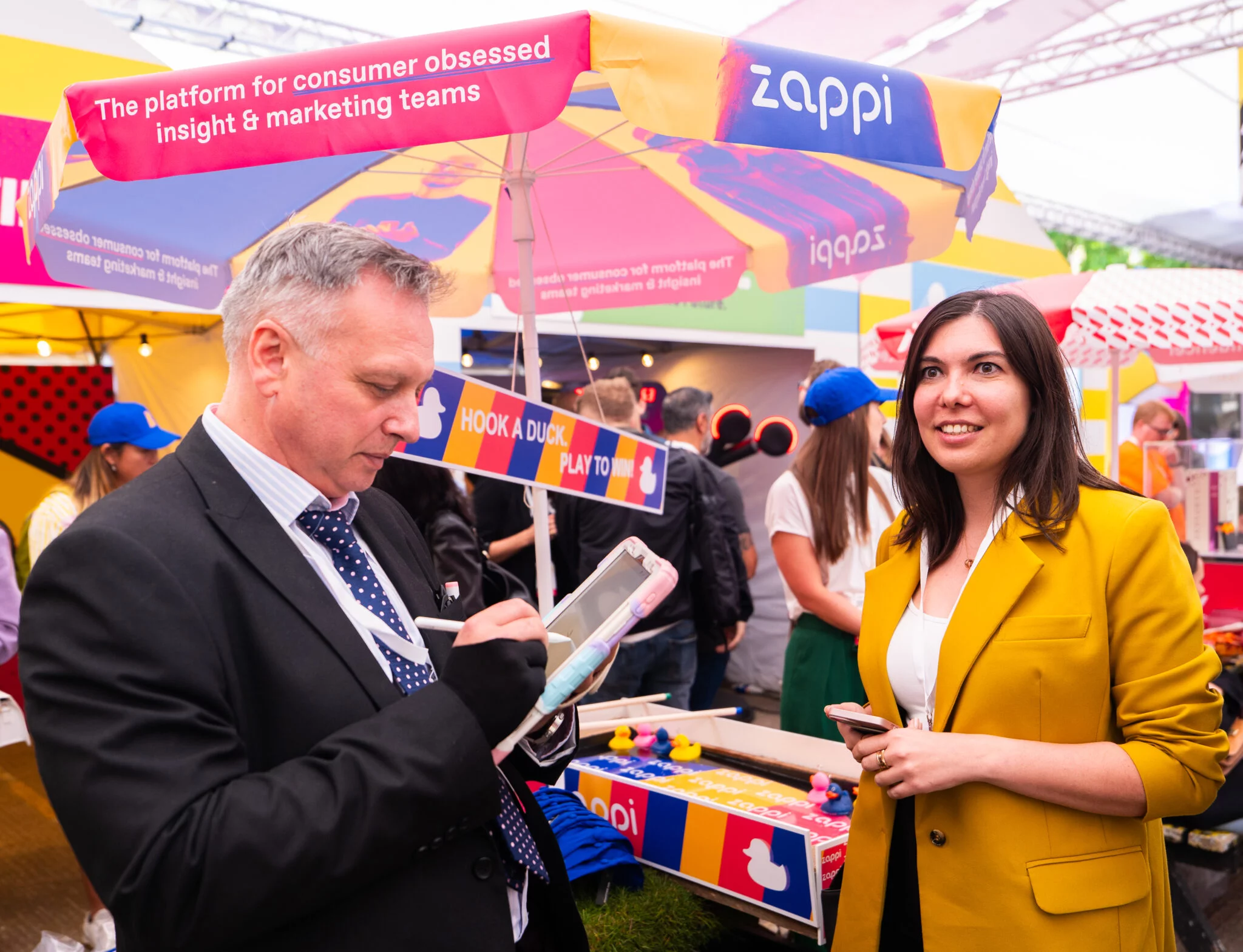
A strong activation is rarely won by the biggest giveaway, the loudest installation or the most photogenic backdrop. It succeeds when people understand what the brand stands for, feel something worth sharing and have a clear reason to act afterwards. Choosing a brand activation agency in London means finding a partner that can connect that creative ambition to the practical realities of a live experience.
For marketing teams, that often means more than producing a single moment. A launch, sampling campaign, consumer experience, client event or internal brand moment may need venue knowledge, permissions, staffing, production, guest data, supplier management and clear reporting. The detail matters because every operational decision affects how the brand is experienced.
Start with the outcome, not the format
The first question should not be whether you need a pop-up, immersive installation or branded event. It should be what needs to change as a result of the activation. Perhaps you need to introduce a new product to a hard-to-reach audience, create content that earns attention beyond the room, build relationships with key clients or give employees a tangible connection to a new proposition.
Those objectives create very different event experiences. If the priority is qualified leads, registration design, consent language and a clear follow-up journey should shape the planning process from the outset from the outset. Meanwhile, if the aim is awareness, the experience must be recognisable at a glance and easy for guests to describe, photograph and share. Alternatively, if brand understanding is the goal, a guided interaction may work harder than a visually dramatic space with little context.
A useful brief sets out the audience, the desired response, the available investment and the non-negotiables. It should also be honest about constraints, including timings, approvals, locations, brand guidelines and internal stakeholders. A good agency will ask challenging but constructive questions before recommending a format, rather than fitting every brief into a familiar template.
What a brand activation agency in London should manage
London creates exceptional opportunity for brand experiences, but it also brings pressure. A high-footfall location can be valuable, yet access restrictions, loading schedules, licensing requirements, noise limits and competition for audiences can quickly complicate an otherwise simple idea. The right team creates a practical delivery plan without losing the original creative intent.
A full-service agency should be able to take responsibility across the activation lifecycle. That includes developing the concept, researching and securing an appropriate venue or site, appointing specialist suppliers, producing branded elements, managing technical production and planning guest or public journeys. It should also cover the less visible but essential work: risk assessments, insurance requirements, crew schedules, staffing briefings, deliveries, waste management, accessibility and on-site problem-solving.
For corporate teams, having one experienced partner matters. It avoids the familiar position where the brand team is coordinating a fabricator, AV supplier, caterer, staffing company and venue while trying to manage senior stakeholders at the same time. Your internal team should be able to focus on the guest experience and commercial purpose, confident that the live delivery is while an experienced agency actively manages every operational detail.
Venue choice should support the idea
A well-known venue is not automatically the right venue. Sometimes a private space is essential for client confidentiality, considered hospitality or a controlled product demonstration. At other times, an unexpected location creates the stronger story, provided the operational requirements the venue can meet the operational requirements.
Ultimately, the best choice depends on who needs to attend and what they need to do once they arrive. Consider travel routes, capacity, step-free access, power, Wi-Fi, loading access, catering facilities and the time required to build and de-rig. A visually impressive space that only allows a narrow installation window may be a poor fit for a complex production. Equally, a flexible blank canvas can be worthwhile when transforming the environment is central to the campaign.
Creative ideas need operational testing early
The most effective activations feel effortless to guests because difficult questions the planning team has already answered. behind the scenes. Can the proposed structure be safely installed? Will lighting work in daylight? Is the interaction intuitive without a lengthy explanation? Can the experience cope with peak demand without creating an unmanageable queue?
Testing creative ideas early helps teams protect budgets while improving the guest experience. It may lead to a different material, a revised footprint or a simplified guest journey. These are not compromises for their own sake. They are informed decisions that keep the activation deliverable and preserve the moments people will actually remember.
Look for strategic and practical chemistry
An agency relationship is partly about creative confidence and partly about how the team works under pressure. Live events do not always run precisely as planned. A delivery can be delayed, a speaker can change their requirements or attendance can exceed expectations. You need people who communicate clearly, make sensible decisions and keep stakeholders informed without creating unnecessary noise.
During the selection process, ask how the agency approaches a brief, who will lead the work day to day and who will be present on site. Senior involvement is particularly important where there are multiple stakeholders, a high-profile audience or a complex technical build. It is reasonable to ask for examples of comparable work, but look beyond the photographs. Find out what the objective was, which challenges arose and how success was assessed.
You should also establish where responsibilities sit. Some clients want an agency to lead every workstream, from creative development through to post-event reporting. Others have an established creative team and require expert production, venue sourcing or on-site delivery. Flexible support is valuable, provided the roles, approval routes and decision-makers are clear from the beginning.
Build measurement into the experience
A crowded event is not necessarily an effective activation. Footfall can be useful, but it only tells part of the story. The right measures should reflect the original objective and the quality of audience engagement.
For a lead-generation campaign, that may include completed registrations, opt-in rates, meaningful conversations and follow-up appointments. For a product launch, it could be demonstrations completed, samples distributed, media or creator attendance, social content generated and sentiment captured on site. Internal activations may focus on attendance, participation, feedback and whether people can articulate the intended brand message afterwards.
Measurement needs practical planning. Decide how your team will capture data, who owns it, what consent is required and how teams will follow up. Brief brand ambassadors carefully so they understand the difference between collecting names and having valuable conversations. Combine quantitative information with observations from the event floor, as staff feedback often reveals why a particular interaction performed well or where guests hesitated.
Protect the guest journey
People do not experience an activation as a production schedule. They experience it from the first invitation, social post or sightline through to the moment they leave. Every point should reinforce the same promise.
That means considering arrival, welcome, wayfinding, queues, participation, hospitality and departure as one connected journey. A brilliant central idea can lose impact if guests cannot find the entrance, wait too long or leave without understanding what happens next. Small details, such as clear signage, well-briefed hosts, accessible layouts and a considered thank-you, are often what make an experience feel premium.
At The Event Book, we approach activations as a balance of thoughtful creative development and disciplined event delivery. Your event brief is in safe hands when the team behind it understands both the audience-facing moment and the logistics required to make it happen.
Choose a partner that can scale with the brief
Some activations are deliberately intimate: a private dinner, a focused media preview or a high-touch client experience. Others need to travel across offices, markets or multiple event days while maintaining a consistent standard. Neither is inherently more valuable. The right scale is the one that serves the audience and objective.
What matters is whether your agency can adapt. Can it coordinate trusted local suppliers when a programme moves beyond the UK? Can it manage branded gifting, guest communications, livestreaming or registrations alongside the physical experience? Can it respond when an approved concept needs to evolve because of a venue change, a revised budget or a new commercial priority?
The right activation partner will not simply make a brand visible for an afternoon. They will help create a moment with enough care, clarity and operational control to stay with people long after the event floor has cleared.
FAQs
What does a brand activation agency in London do?
A brand activation agency in London plans and delivers engaging brand experiences that connect businesses with their target audiences. Services typically include creative concept development, venue sourcing, production, staffing, logistics, audience engagement, and event reporting.
How do I choose the right brand activation agency?
Choose an agency with experience in live brand experiences, strong project management, creative expertise, transparent communication, and a proven ability to deliver campaigns that align with your business objectives.
What services should a brand activation agency provide?
A full-service brand activation agency should offer:
- Creative campaign development
- Venue sourcing
- Event production
- Staffing and brand ambassadors
- AV and technical production
- Logistics management
- Guest engagement
- Performance reporting
Why is venue selection important for brand activations?
The right venue supports your campaign objectives, improves audience engagement, simplifies logistics, and creates a memorable brand experience while meeting operational requirements such as accessibility, production access, and capacity.
How do you measure the success of a brand activation?
Success can be measured through audience engagement, qualified leads, registrations, product demonstrations, social media reach, customer feedback, brand awareness, and post-event conversions.
Why should businesses hire a professional brand activation agency?
A professional agency manages every aspect of the activation, reduces operational risks, coordinates suppliers, controls budgets, and delivers a seamless brand experience that supports marketing and business goals.