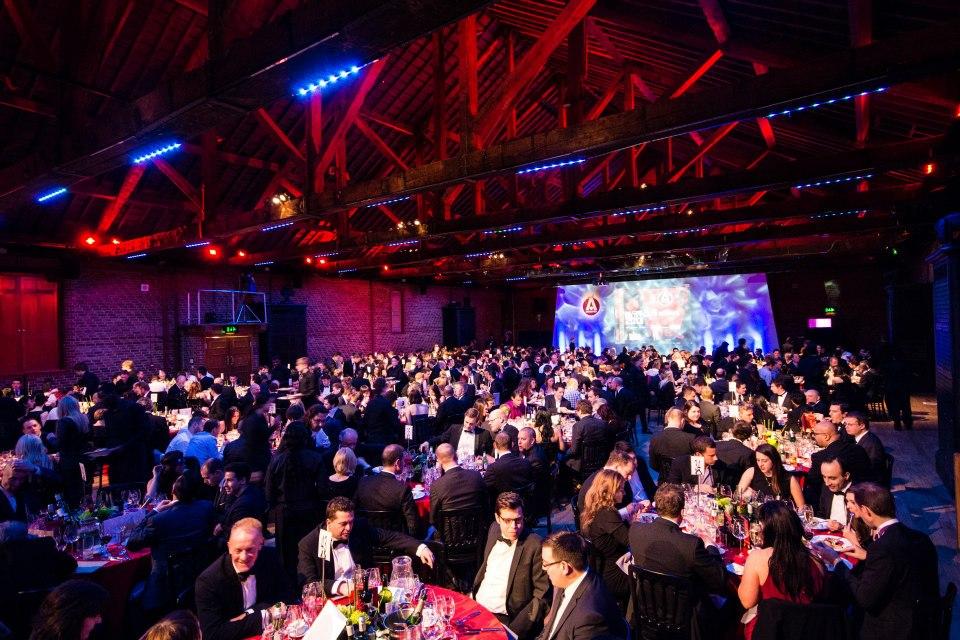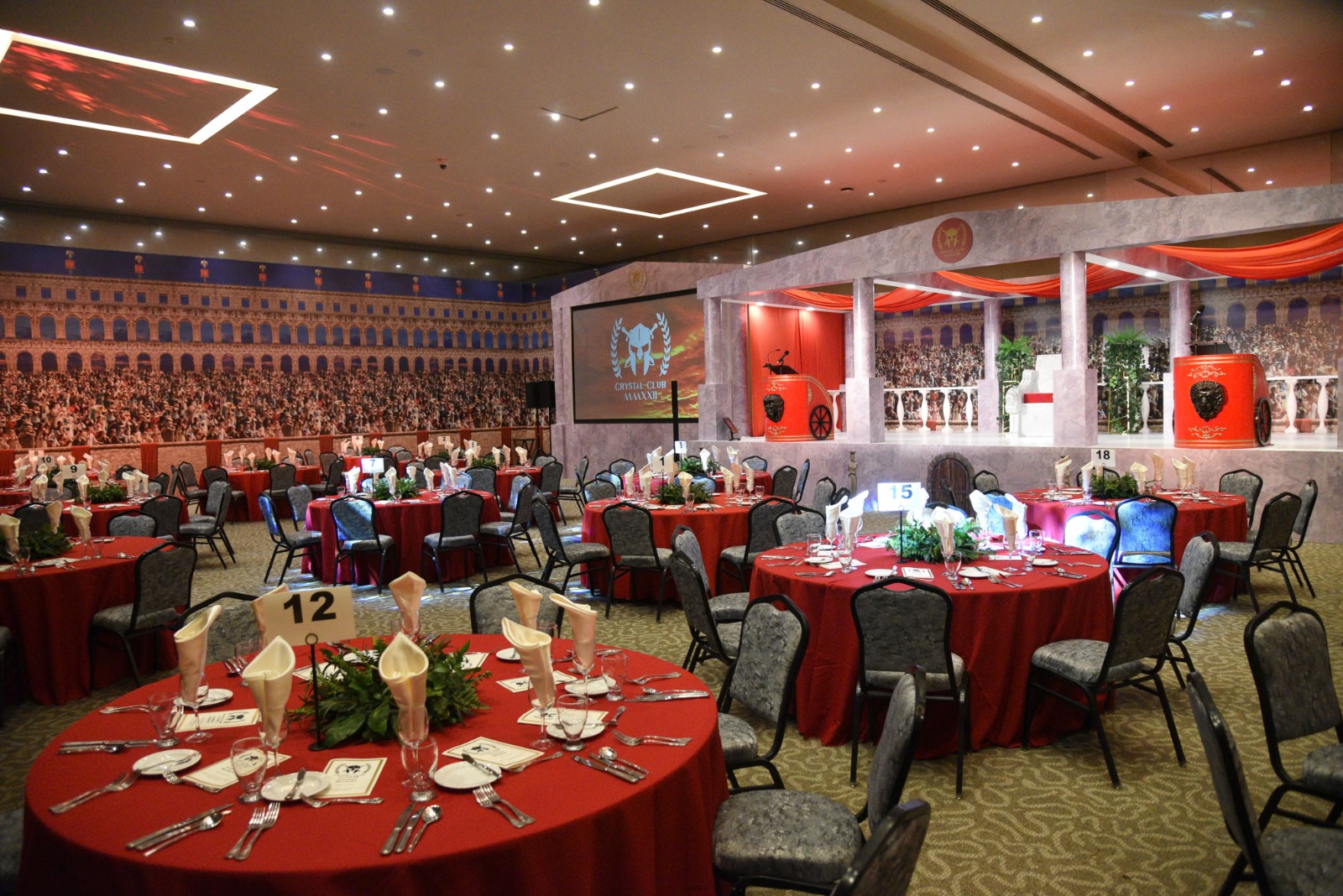
A full auditorium, a flawless reveal or a lively drinks reception can make a corporate event look effortless. Behind that experience sits a considerable amount of planning: a clear brief, detailed schedules, technical rehearsals, supplier coordination, registration data, contingency plans and a team ready to make decisions in the moment. That is where an event production company earns its place.
For marketing, people and communications teams, the value is not simply having someone book a venue or hire an AV supplier. It is having an experienced partner who can turn a business objective into an event people remember for the right reasons, while taking the operational pressure off your internal team.
What an event production company is responsible for
Event production is the process of making an event work as a complete experience. It brings together creative direction, practical logistics and live delivery, from the first conversation through to post-event reporting.
The precise scope depends on the brief. A leadership conference may need stage design, presentation management, broadcast-quality filming and a registration journey that works for hundreds of delegates. A client hospitality evening may call for an exceptional venue, a carefully paced guest experience, premium entertainment and discreet hosting. A global company celebration can involve local supplier teams, travel planning, branded gifting and a consistent event identity across several cities.
In each case, the event production partner should establish what success means before choosing the format. Is the aim to bring dispersed teams together, launch a product, build stronger client relationships, communicate change or reward high performance? The answer shapes every decision, from the venue layout to the content running order.
Strategy before spectacle
A striking set, a well-known performer or an impressive menu can all add value. They are not, however, a substitute for a good event strategy. Production begins by understanding the audience, the business message, the budget and the practical constraints.
This early stage often includes stakeholder workshops, audience profiling, event objective setting and an honest conversation about what is achievable. If employees need to feel connected after a period of change, a participatory format may work better than a long sequence of presentations. If senior clients are attending, privacy, service and the quality of conversation may matter more than scale.
A good agency will challenge a brief where needed, without losing sight of the client’s priorities. That is particularly useful when several stakeholders each have valid but competing requirements.
Creative development that serves the brief
Once the direction is agreed, the creative work can begin. This is not just about selecting a theme. It is about designing the guest journey from invitation to departure, with considered moments that support the event’s purpose.
That might include event branding, room transformations, opening content, speaker walk-on music, interactive installations, entertainment, table styling or digital elements that make participation easier. For a conference, it could mean creating a stage environment that gives internal speakers confidence and makes key messages clearer. For a party, it may mean shaping the arrival, food, performance and dancing into one coherent evening rather than a collection of separate bookings.
Creativity should still be practical. The most ambitious idea has to be deliverable within the venue’s access times, health and safety requirements, budget and technical capacity. Experienced production teams balance impact with those realities from the outset, avoiding expensive surprises later.
The detail behind dependable delivery
Live events are made up of hundreds of moving parts. An event production company coordinates those parts so the client has one senior team accountable for the whole picture.
Venue sourcing is a good example. The right space must fit the guest numbers and event style, but it also needs appropriate access, loading facilities, ceiling height, power, catering capability, transport links and licence conditions. In London especially, venue knowledge can save valuable time and prevent a beautiful space becoming an operational headache.
The same applies to suppliers. AV technicians, set builders, caterers, furniture providers, florists, entertainers, security teams, photographers and registration staff all have separate schedules and requirements. Production management brings their work together through clear briefs, technical specifications, site visits, production schedules and regular communication.
Registration, communications and guest care
The attendee experience starts long before anyone enters the venue. Registration systems, invitation wording, reminder emails, dietary requirements, accessibility needs and travel information all influence whether guests arrive prepared and welcomed.
For internal teams, managing this data can become time-consuming quickly, especially when guest lists change daily or include senior leaders, international delegates and external clients. A production partner can set up the registration process, manage responses, provide reporting and ensure the front-of-house team has accurate information on the day.
Guest care also needs judgement. A corporate event should feel well organised without becoming overly formal or impersonal. Clear joining instructions, friendly hosts, visible signage and a sensible queue management plan make a material difference. So does having a team member available to solve a last-minute issue quietly, whether that is a missing name badge, an accessibility request or a speaker delayed by travel disruption.
Technical production and content management
Technical production is often where an event’s quality is most visible. Sound must be clear at every table. Lighting should support the atmosphere without making speakers difficult to see. Screens need to work for the people at the back of the room as well as those nearest the stage. If a hybrid audience is involved, remote participants need a purposeful experience rather than a poor view of a room.
Production teams manage the technical design and the people required to run it: audio engineers, lighting operators, video crews, stage managers and show callers. They also help speakers and content owners prepare. Presentation formatting, confidence monitors, rehearsal slots, walk-on cues and video playback may seem small in isolation, but they prevent avoidable interruptions during a tightly timed programme.
There is a trade-off to consider with technology. More interactive tools can create useful insight and energy, but only if they are simple for the audience and properly supported. An app that is difficult to access or a polling platform introduced without context can distract from the content. Technology should make the event easier to experience, not become the event itself.
Why on-site leadership matters
No event plan survives entirely unchanged. A speaker may run over, a train may be cancelled, weather may affect an outdoor arrival or a supplier may need access later than expected. Strong on-site production is not about pretending these issues will never happen. It is about anticipating likely risks, assigning responsibilities and responding calmly when plans need to change.
A production manager holds the event schedule, keeps suppliers aligned and makes decisions against the agreed priorities. A show caller manages timing and cues during conferences, awards or performances. Front-of-house staff look after guests, while the wider team monitors every part of the operation.
This structure gives internal stakeholders room to focus on their actual role: welcoming clients, speaking to employees, hosting leaders or enjoying the event they worked hard to commission. Your event brief is in safe hands, but you remain informed and in control of the decisions that matter.
Choosing the right event production partner
The right agency is not necessarily the largest one or the one with the most elaborate pitch deck. Look for senior people who ask thoughtful questions, explain how they will manage the process and are transparent about budget allocation. You should understand who will be responsible on-site, how supplier costs are handled and when key decisions need to be made.
Relevant experience matters, particularly where the brief has specific demands: confidential leadership content, international delegate travel, brand activation, complex venue transformation or a high-profile guest list. Ask how the team has handled comparable challenges, rather than relying only on polished event imagery.
Chemistry matters too. Your agency should feel like an extension of your team: proactive enough to move the work forward, organised enough to protect the detail, and approachable enough that concerns can be raised early. Small but senior teams can be especially effective here, offering direct access to the people making decisions while retaining the supplier network and operational capacity to deliver at scale.
The best events leave guests talking about the ideas, the atmosphere and how well they were looked after. Give your production partner a clear objective, involve them early and let the planning create the confidence that makes those moments possible.
FAQs
What does an event production company do?
An event production company plans and manages every stage of a corporate event, including venue sourcing, technical production, supplier coordination, delegate registration, logistics and on-site event delivery.
When should I hire an event production company?
It’s best to involve an event production company as early as possible. Early planning helps secure venues, manage budgets, coordinate suppliers and reduce last-minute risks.
What types of events can an event production company manage?
An event production company can deliver conferences, hybrid events, awards ceremonies, product launches, brand activations, corporate hospitality, team-building events and company celebrations.
Do event production companies provide AV and technical support?
Yes. Most event production companies manage lighting, sound, staging, video production, live streaming, presentation management and technical rehearsals.
Can an event production company manage hybrid events?
Yes. Many event production companies provide hybrid event technology, live streaming, audience engagement tools and production support for both in-person and virtual attendees.
Why should businesses work with a professional event production company?
A professional event production company reduces planning pressure, coordinates suppliers, manages risks and ensures every detail supports the overall business objective and guest experience.