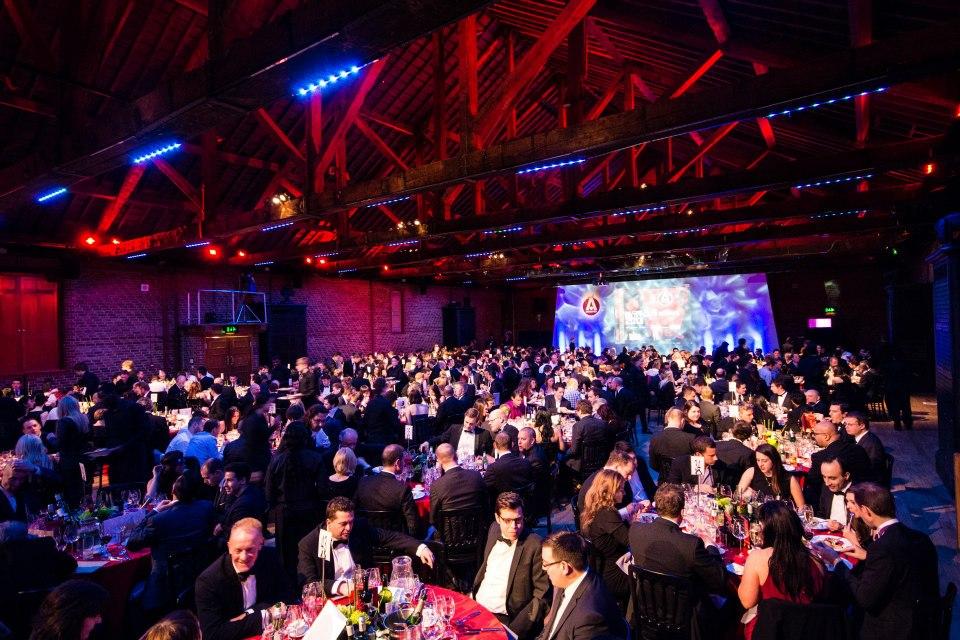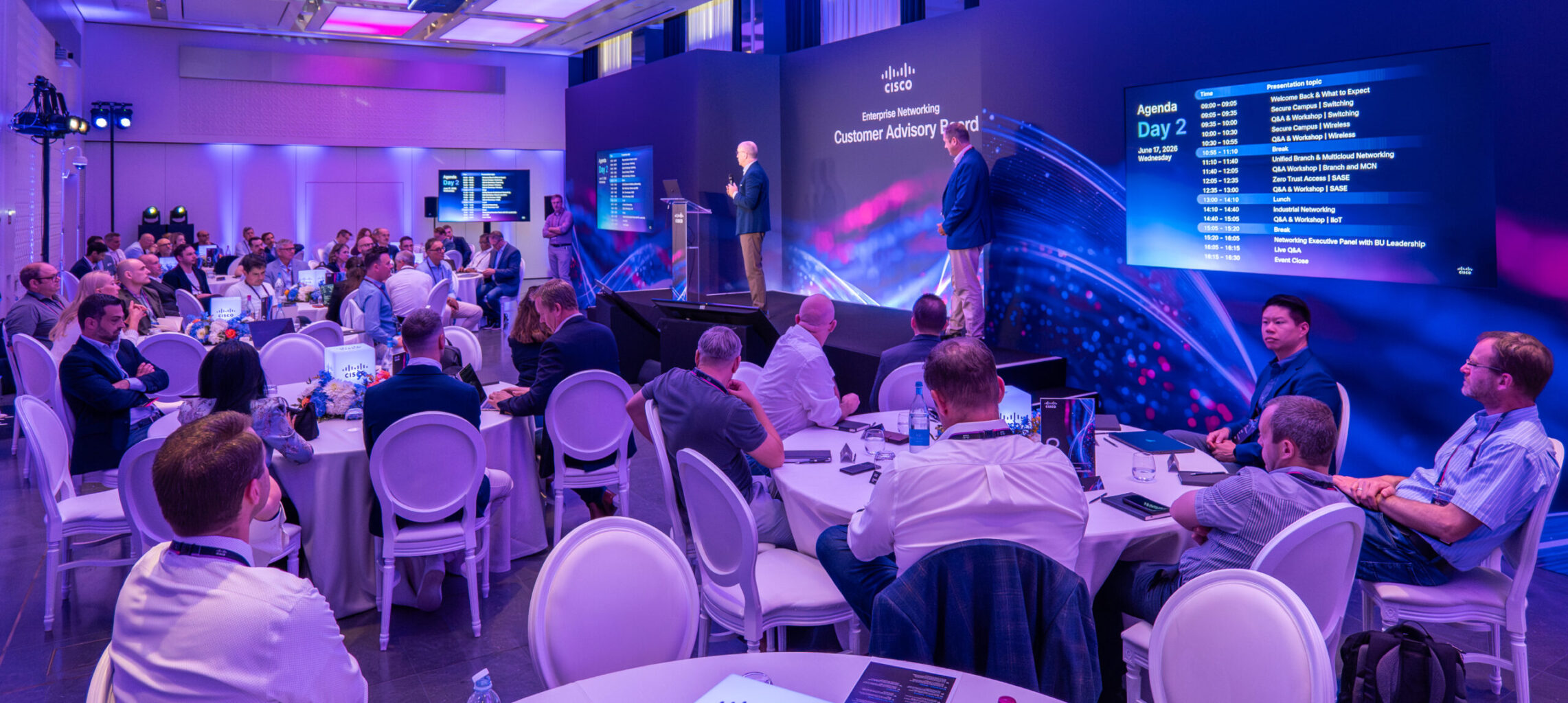
A venue can make a carefully planned conference feel effortless to attend, or turn it into a day spent queueing for coffee, searching for breakout rooms and straining to hear the speaker. The right conference venues do far more than hold the delegate numbers. They support the purpose of the event, reflect the brand in the room and give the delivery team enough control to keep every moving part on track.
For corporate teams, the decision is rarely as simple as finding the largest room within budget. A leadership conference may need privacy, theatre-quality production and an excellent dinner setting. A sales kick-off could require high-energy plenaries, practical workshops and space for product demonstrations. A client-facing event needs the arrival experience, catering and service to feel considered from the first minute. The brief should lead the search, rather than the other way round.
Start with the outcome, not the room layout
Before comparing conference venues, be clear about what delegates need to think, feel or do differently after the event. This gives the venue search a useful filter. If the aim is to align a dispersed leadership team, a self-contained venue may be more valuable than a central location with a lower day rate. If the objective is to generate leads or strengthen client relationships, hospitality areas and the quality of the networking environment deserve as much attention as the main auditorium.
Attendance is part of this equation too. Consider who is travelling, how early they will arrive and whether they are likely to stay for an evening reception. A venue five minutes from a major station can improve punctuality and reduce drop-off, but a destination venue may create greater focus and a stronger sense of occasion. Neither is automatically better. It depends on the audience, the agenda and the commitment you are asking people to make.
A useful venue brief sets out the commercial objective, desired delegate experience, anticipated numbers, event timings, budget parameters and non-negotiables. It should also cover practical requirements that are often discovered too late, such as stage access, security, branding opportunities, dietary needs, accommodation, car parking or a private space for senior stakeholders.
Look beyond maximum capacity
Capacity figures can be misleading. A room listed for 500 delegates in theatre style may be technically large enough, but become uncomfortable once staging, cameras, comfort breaks, accessible seating, production control and branded scenic elements are added. Equally, a room that is too large can drain energy from a smaller audience and make a keynote feel less significant.
Ask for a scaled floorplan based on the actual event design, not a standard layout. This should show the stage, screen positions, seating blocks, aisles, registration desks, catering points and any exhibition or networking areas. It is particularly important where the event combines a conference with breakouts, partner stands or an evening element.
Allow space for the moments between sessions
The main room is only one part of the delegate experience. Breakout spaces should be close enough to find without confusion, yet separate enough that groups can work without competing noise. Check whether all breakouts are available for the full day, whether furniture can be changed between sessions and whether rooms have natural light where it matters.
Networking areas also need to work at peak moments. A smart-looking foyer can quickly become congested when 300 people arrive at once or leave a plenary for coffee. Think through registration, cloakroom capacity, coffee service, toilets, lifts and routes to each room. These details shape how well the day flows, even if they never appear on the event agenda.
Put technology and production at the centre of the site visit
A strong speaker programme deserves more than a screen and a handheld microphone. The technical capability of conference venues varies widely, particularly around ceiling height, sightlines, rigging, lighting control, acoustic treatment, dedicated bandwidth and the ease of bringing in external production partners.
Start with the content. A conference built around presentations may need crisp projection, confidence monitors and reliable show calling. A panel-heavy agenda benefits from good stage furniture, clear audio and camera positions that do not obstruct the room. If remote speakers, virtual delegates or livestreaming are planned, test the internet provision and ask what bandwidth is dedicated rather than shared. A venue’s standard Wi-Fi may be perfectly suitable for emails but inadequate for live broadcast or a large number of delegates using event technology at the same time.
Ask who controls the in-house AV, what equipment is included, and what is charged as an additional. Some venues work well with preferred technical suppliers; others impose restrictions or charge production access fees. These are not necessarily reasons to rule a venue out, but they need to be understood before a budget is approved.
Check the operational realities
The most impressive room can still create pressure if access is limited. Confirm loading arrangements, lift sizes, delivery windows, storage space and the route from loading bay to event space. Large set pieces, exhibition materials and branded installations all take time to move and build.
Also establish when the room is available for set-up and rehearsal. A half-day conference that requires a full production build may need exclusive access from the previous evening. If the venue is hosting another event beforehand, the turnaround can affect everything from technical testing to registration set-up. Early clarity protects both the delegate experience and the delivery schedule.
Assess the guest experience as carefully as the logistics
Corporate delegates notice the details. They notice whether the welcome is efficient, whether the coffee is ready when the agenda says it is, whether lunch caters properly for different requirements, and whether venue staff know where to direct them. These are small interactions, but together they influence how the event and its host organisation are remembered.
During a site visit, arrive as a delegate would. Walk from the station or car park. Check the entrance, signage, security process and reception area. Stand at the back and sides of the main room to assess views of the stage. Visit the toilets and accessible routes. If possible, attend while another event is taking place to understand the service style and noise levels.
Catering deserves a practical conversation rather than a quick tick-box. Discuss service times, queue management, menu flexibility, dietary processes and the space available for guests to eat. A plated lunch may feel appropriate for a smaller senior audience, while a well-designed bowl-food or street-food format can encourage movement and conversation at a larger conference. The right choice is about the purpose and timetable, not simply formality.
Build a budget that reflects the full delivery picture
Venue hire is only one line in the budget. Day delegate rates, minimum food and beverage spends, technician hours, furniture, power, cleaning, security, cloakroom, internet upgrades, branding permissions and late finishes can all affect the final figure. International teams should also account for accommodation, ground transport and any costs associated with shipping materials into the UK.
Request a clear proposal that separates included items from optional or mandatory extras. This makes it easier to compare like for like, particularly when one venue looks less expensive initially but requires significant production, staffing or catering additions. Be transparent about the available budget from the outset where possible. An experienced venue partner can then suggest formats and spaces that are genuinely viable rather than presenting options that will need to be stripped back later.
Flexibility has value as well. Ask about cancellation terms, attrition on bedrooms, date holds, final number deadlines and what happens if timings change. For major conferences, it is wise to understand the financial exposure before contracts are signed, not when a stakeholder changes the agenda two weeks out.
Choose a venue team that works as part of yours
The venue’s people matter as much as its spaces. You need an event manager who responds clearly, understands the brief and can anticipate pressure points without creating unnecessary friction. Good pre-event communication is usually a reliable indicator of on-site support.
At The Event Book, venue sourcing begins with the practical and creative shape of the event, then follows through into production planning, delegate journeys and on-site delivery. That approach helps ensure a beautiful venue is also a workable one.
Before confirming, take time to test the relationship. Are answers to operational questions specific? Is the team open about constraints? Will there be a dedicated contact on the day, and do they have authority to resolve issues? A collaborative venue partner will help protect the event when plans need to adapt.
The best choice is the one that gives your audience the right environment to engage, gives your speakers the platform they deserve and gives your team confidence that the detail is covered. When those three things align, the venue stops being a backdrop and becomes an active part of the event’s success.
FAQs
What should I consider when choosing a conference venue?
Consider capacity, location, accessibility, room layouts, AV and technology, catering, breakout spaces, production access, budget and the overall delegate experience.
How far in advance should I book a conference venue in London?
For larger corporate conferences, booking several months in advance is advisable. Popular London venues and peak dates can require even more lead time.
What makes a good corporate conference venue?
A good corporate conference venue combines suitable capacity, reliable technology, convenient access, flexible spaces, quality catering and experienced event staff.
How much does conference venue hire cost in London?
Costs vary depending on venue type, location, capacity, date, catering, AV requirements and additional services. Comparing the complete event cost is more useful than looking at venue hire alone.
Why is AV important when choosing a conference venue?
Reliable AV supports presentations, speakers, audience engagement and hybrid participation. The venue should have suitable sound, screens, lighting, connectivity and production access for the event format.