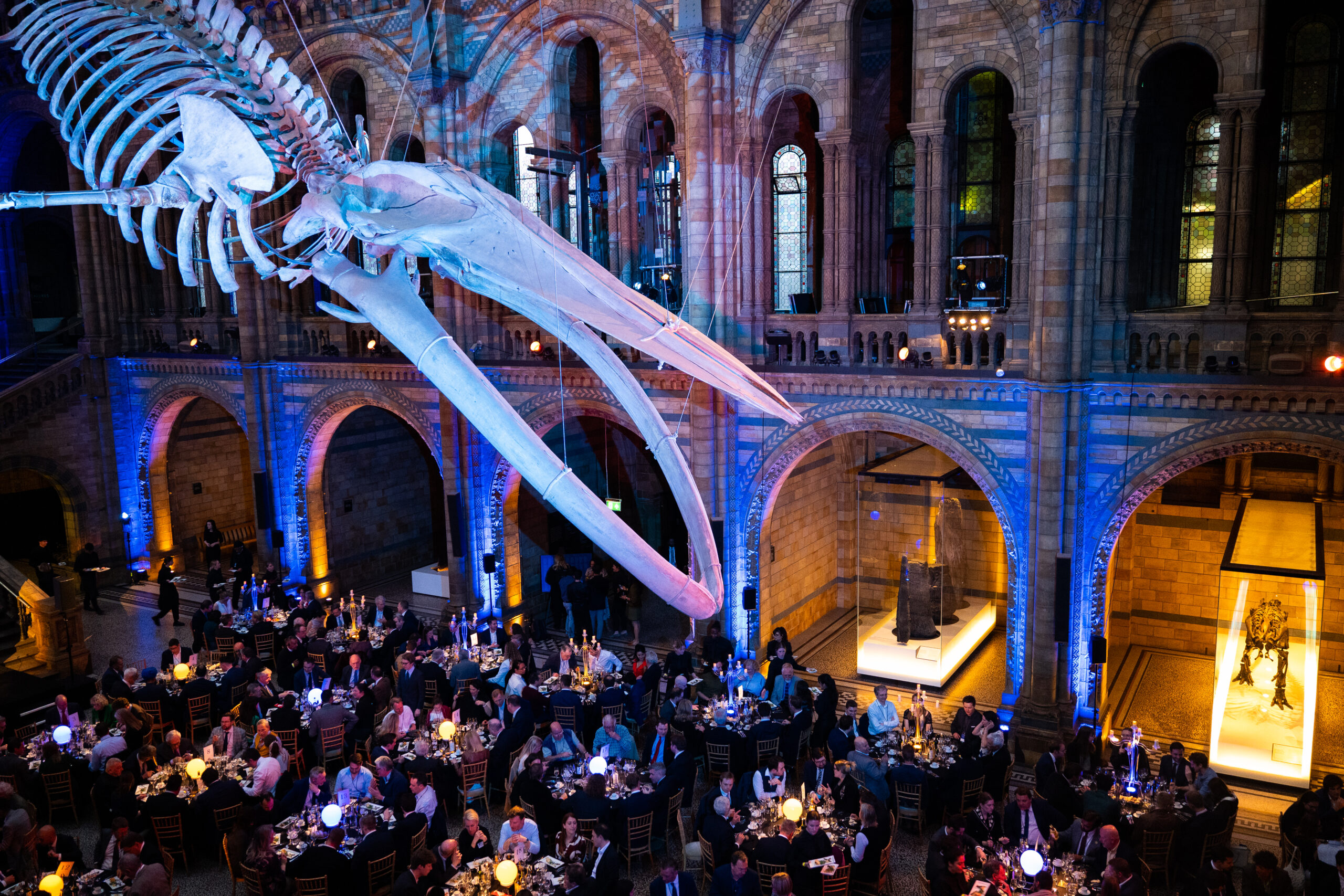
A London landmark can do more than provide a beautiful backdrop. It can set the tone before the first welcome drink is poured, give an international audience an immediate sense of place, and turn a company dinner, conference or celebration into an occasion people genuinely remember. The best iconic London venues for events earn their place in the brief by doing all three – while still working hard behind the scenes.
For corporate planners, that last point matters most. A dramatic room is only useful if guests can arrive easily, hear the speakers, find the cloakroom, eat well and leave without a logistical puzzle. London has extraordinary choices, from grand museums and historic halls to riverfront landmarks and world-class hotels. The right one depends on the event objective, guest profile, programme and budget, not simply the view on a venue website.
What makes an iconic venue right for a corporate event?
There is a difference between a famous building and a successful event venue. The most recognisable spaces can bring instant theatre to an awards dinner or gala, but they may have strict access windows, protected interiors, limited branding options or complex loading arrangements. Equally, a less photographed room within an iconic building may offer better sightlines, stronger acoustics and a more comfortable guest experience.
Start with the feeling you want guests to take away. A formal gala dinner may suit the scale and ceremony of the Natural History Museum, the V&A or Guildhall. A client reception might benefit from the confidence and city views of a modern landmark. A leadership conference needs a room that supports concentration first, with the iconic setting adding distinction around the content rather than competing with it.
Capacity should always be tested against the actual format. A venue quoted for 500 standing guests may be far less comfortable once you add a stage, dancefloor, reception furniture, food stations, registration and a meaningful number of staff. For a dinner, the usable capacity can change again depending on table style, catering service routes and whether guests need to move from a drinks reception into a separate dining room.
Iconic London venues for events: choosing by experience
Museums and cultural institutions for instant occasion
Museums are among London’s most effective choices for gala dinners, receptions, awards and large corporate Christmas parties. They offer a sense of arrival that is difficult to recreate in a conventional hotel ballroom. Guests are not just attending a dinner; they are being welcomed into a building they recognise and may rarely experience after hours.
The Natural History Museum is particularly powerful for high-impact receptions and dinners, with the grandeur of Hintze Hall creating a memorable first impression. It works well when production is carefully considered, as lighting can transform the room without fighting its architecture. The trade-off is that heritage spaces require detailed planning around access, suppliers and protection of the building.
The V&A offers a different kind of atmosphere: creative, cultured and flexible across its galleries and event spaces. It can be a strong choice for brands that want an elegant evening with a design-led feel. The British Museum, meanwhile, brings scale and international recognition, making it especially appealing for overseas delegates or a global client audience.
For each, catering, guest flow and timing are central. A venue might be visually impressive, but a long queue at the bar or an awkward transition between rooms will be what guests remember. This is where an experienced event team earns its keep, mapping the guest journey from pavement to final departure.
Historic halls for ceremony and substance
London’s historic halls provide formality without feeling stiff when the event design is right. Guildhall, for example, has the stature to suit awards, conferences and gala dinners, particularly for organisations that want a distinctly City setting. Its heritage creates an immediate sense of importance, but production should be sympathetic rather than excessive.
The Royal Courts of Justice, the Old Royal Naval College and the Painted Hall offer similarly dramatic possibilities for private dinners, receptions and incentive programmes. These spaces can be ideal for a programme that needs a strong London moment, especially where guests are travelling from abroad. They are less suitable when a highly informal, free-flowing format is the priority, or when a late finish and extensive build schedule are non-negotiable.
Historic venues reward a clear creative idea. Rather than covering every surface in branding, use lighting, table styling, entertainment and carefully chosen content to bring the event identity into the room. The building should still be allowed to speak.
Landmark views for receptions and client entertaining
For networking, hospitality and launches, the London skyline is often the main attraction. Venues around South Bank, London Bridge, Bankside and the City can give guests a strong sense of being in the capital without requiring a museum-scale budget or programme.
The Shard’s event spaces, for instance, are well suited to premium receptions, dinners and international client events where the view is part of the conversation. The same is true of spaces near Tower Bridge and along the Thames, where an arrival by river or a short walk across a landmark can add to the experience.
View-led venues need careful timing. A winter reception can benefit from the city lights, while a summer event may be at its best as daylight fades. Ask how the room looks at the exact time guests will be there, not only in promotional photography. Also consider whether the view remains visible once a stage, screen or reception set-up is in place.
Luxury hotels when service and flexibility lead
An iconic hotel can be the most practical choice when an event includes accommodation, multiple sessions, senior guests or delegates travelling from overseas. London’s established luxury hotels combine recognisable addresses with experienced banqueting teams, strong service and the reassurance of bedrooms on site.
Hotels are often the better fit for conferences, board-level meetings and multi-day programmes because they can accommodate registration, breakouts, dining and overnight stays under one roof. They may not offer the same visual drama as a museum, but they can reduce transport, improve punctuality and make a complex agenda far easier to manage.
For a formal dinner or corporate Christmas party, a ballroom can feel distinctive with the right production, entertainment and table design. The question is not whether it is a blank canvas or a landmark, but whether it supports the guest experience you are trying to create.
Plan the practical details before falling in love with the room
The best venue decisions are made by balancing ambition with operational reality. Before shortlisting, establish your guest numbers, preferred date, budget range, arrival pattern, event timings and non-negotiables. If the event includes presentations, awards or entertainment, confirm the technical requirements early. Many beautiful rooms have restrictions on rigging, sound levels, open flame or late-night music.
For larger events, think about the points where pressure builds: registration, cloakrooms, toilets, bars, dinner service and departures. A venue that feels generous during a site visit can become congested when 300 guests arrive within 20 minutes. This is particularly relevant for office Christmas parties London teams are planning for 150 guests or more, where the festive experience depends on smooth service as much as decoration.
Transport is another factor that deserves more attention than it usually gets. Central London is well connected, but road closures, rail disruption and limited coach access can affect a guest experience quickly. For senior leadership groups, international guests or evening events, clear travel information, hosted arrivals and pre-booked transport can make the event feel noticeably more considered.
Getting the brief and budget aligned
Iconic venues come with a premium, but the hire fee is rarely the whole picture. Catering minimums, staffing, security, furniture, AV, production, floral design, entertainment, transport and VAT can materially change the final figure. A heritage venue may have a comparatively attractive hire charge but need substantial investment in lighting, power distribution and guest furniture. A hotel may cost more per head while including elements that would otherwise be separate.
This is why comparing proposals line by line is more useful than comparing headline prices. A good venue recommendation explains what is included, what is restricted and where the likely additional costs sit. It also considers whether the space can deliver the event without unnecessary production spend.
For clients who want to move quickly, complimentary venue sourcing can take the uncertainty out of the first stage. The Event Book can match proven London venues to the brief, then manage the detail if more support is needed – from catering and entertainment to AV, guest management and on-site delivery. One experienced point of contact, one contract and one invoice can be particularly valuable when several suppliers and a high-profile venue are involved.
A landmark should make your event feel effortless, not make the planning harder. Choose the room that gives guests a genuine London experience while giving your team confidence that every practical detail is in safe hands.
FAQs
What are the best iconic London venues for events?
The best venue depends on your event format, guest numbers and objectives. Museums, historic halls, landmark spaces and luxury hotels can all work well for corporate events.
How do I choose the right iconic London venue for a corporate event?
Start with your guest numbers, event format, budget, production requirements and desired guest experience. Then assess capacity, accessibility, catering, transport and operational restrictions.
Are iconic London venues suitable for corporate conferences?
Yes. Many iconic venues can host conferences, although you should check sightlines, acoustics, breakout spaces, AV capabilities, staging, internet and delegate flow before booking.
What should I consider when booking a historic London event venue?
Check supplier access, loading arrangements, rigging restrictions, sound limits, branding permissions, production requirements and the amount of time available for set-up and breakdown.
Are iconic London venues suitable for Christmas parties?
Yes. Iconic London venues can create a memorable setting for corporate Christmas parties, gala dinners and receptions. Capacity, catering, entertainment space, transport and late-night restrictions should be assessed carefully.
How can I find the right London venue for a corporate event?
Professional London venue sourcing can help match your guest numbers, event objectives, budget and operational requirements with suitable venues, creating a focused shortlist instead of a long list of options