
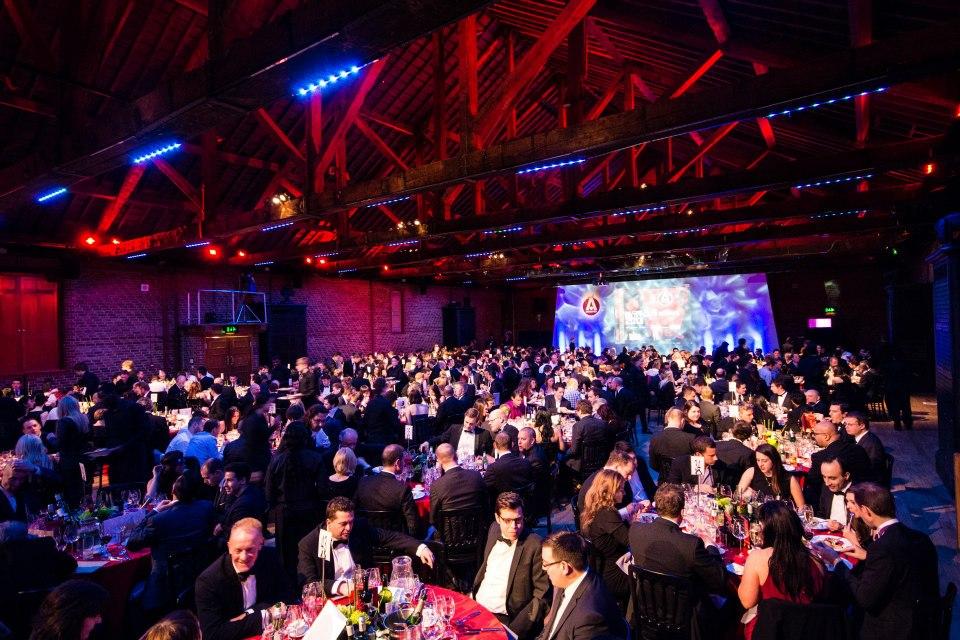
A 300-person conference with a strong speaker line-up can still feel compromised if the only available venue has awkward access, limited breakout space or an AV package that does not support the agenda. So, when should conference venues be booked? Earlier than many teams expect, particularly where dates, location and delegate experience are all important.
For most corporate conferences in London, a sensible starting point is six to 12 months ahead. That window gives you meaningful choice rather than simply whatever remains. However, the right lead time depends on the event size, the date, the type of venue and how fixed your brief really is.
When should conference venues be booked for the best choice?
For conferences of 100 to 300 delegates, begin venue sourcing around nine to 12 months in advance if you want a Central London location, several breakout rooms, good transport links and competitive commercial terms. Popular hotels, historic venues and larger contemporary event spaces often take provisional bookings well ahead, especially for midweek dates.
For events of 300 guests or more, international programmes, conferences needing extensive build time, or events combining plenary sessions with an exhibition, gala dinner or overnight accommodation, 12 to 18 months is more realistic. The venue decision affects almost every other part of the event: room layouts, production design, catering, delegate flow, accommodation and transport. Securing the right setting early leaves room to plan those details properly.
Smaller meetings can sometimes be arranged within three to six months. This is particularly true if the group can meet on a Monday or Friday, has flexibility on location, or is happy with a straightforward daytime format. It is possible to find good venues at shorter notice, but the brief may need to flex around availability.
The dates that disappear first
Not every week in the calendar carries the same pressure. In London, Tuesday through Thursday are consistently the most sought-after days for corporate events. September to November and late January to June are traditionally busy periods for conferences, awards, leadership meetings and client events.
Avoid assuming the school holidays will automatically make venue availability easier. While some corporate diaries are quieter, London can still be busy with exhibitions, sporting fixtures, concerts and international travel. Equally, dates around major trade shows can put pressure on hotel rooms, restaurants, taxis and freelance event crew as well as conference venues.
Certain requirements also make a date more difficult to secure:
- A Central London venue within walking distance of a major station
- A large theatre-style plenary room with multiple breakout spaces
- An exclusive-hire venue for privacy, branding or security
- High-spec AV, rigging capacity or a full production build
- Accommodation for delegates travelling from elsewhere in the UK or overseas
If two or more of these are non-negotiable, start early. A venue may have the capacity on paper but still be unsuitable once the full agenda, catering service and production footprint are considered.
Venue availability is only one part of the decision
Booking early is not simply about securing a room. It gives your team time to make a considered choice. A venue that looks attractive during a quick site visit may reveal limitations when the conference plan develops.
For example, a 250-seat auditorium might work perfectly for keynote sessions, but where will delegates go between presentations? Are the breakout rooms close enough to prevent lost time? Can registration be managed without guests queuing outside? Is there a discreet green room for speakers, appropriate loading access for production, and enough ceiling height for the stage design?
Catering deserves the same scrutiny. A venue may offer an appealing day delegate rate, but assess what it includes, the service style, dietary requirements, timings and any minimum spend. For an all-day conference, a poorly positioned lunch area or slow coffee service can affect the pace and atmosphere of the whole event.
Early venue sourcing also gives procurement, finance and internal stakeholders sufficient time to review proposals. That is particularly valuable where several teams are involved and sign-off is not immediate.
How far ahead should you book a London conference venue?
A practical guide is useful, but it should not become a rigid rule. For a simple one-day meeting of fewer than 80 people, three to six months may be enough. For a 150-person conference with breakouts, catering and a central location, aim for six to 12 months. For a major annual conference, leadership summit or event with 300-plus delegates, begin 12 to 18 months ahead.
There are exceptions. If the event must take place in a particular venue because of brand fit, guest expectations, previous event history or location, make an enquiry as soon as dates are being discussed internally. The same applies to venues that are well known for a particular format, such as museum spaces, landmark buildings or luxury hotels with limited meeting inventory.
On the other hand, booking 18 months ahead can be premature if your attendee numbers, budget or event objectives are still uncertain. You may secure a date only to find that the contracted minimum numbers no longer suit the final brief. In that situation, it can be better to identify a shortlist, understand the options and hold space where possible while key decisions are made.
Do not confuse a hold with a confirmed booking
Venues commonly offer a provisional hold while a client considers the proposal. This is useful, but it is not a guaranteed booking. Hold periods vary, and another client may ask the venue to release the date or give the first party a deadline to confirm.
Before moving forward, check exactly what is being held: the rooms, timings, catering areas, outdoor spaces and any evening function rooms. Ask when the hold expires, what deposit is required, which cancellation terms apply and whether minimum food and beverage spends could change.
Read the contract with the full event picture in mind. Does the quoted rate include furniture, basic AV, Wi-Fi, security, cloakroom, staffing and VAT? Are there restrictions on external suppliers, branding, deliveries or event timings? These details can materially change the budget and should be clear before a contract is signed.
Booking later: where flexibility can save the day
A shorter lead time does not mean settling for a poor event. It means being strategic. Flexibility on the day of the week, the exact postcode or the meeting format can open up far better options. A Wednesday may be unavailable, while a Monday could offer the same venue at a more favourable rate. A short journey outside the West End may provide more natural light, better breakouts and greater production freedom.
It may also be worth considering whether a single large room is genuinely necessary. For some internal conferences, a flexible venue with adjacent spaces can create a more engaging programme than a traditional theatre set-up. The right format should follow the purpose of the event, not simply the original venue wish list.
At The Event Book, our complimentary venue sourcing service is designed to make this process more efficient. We get to work on your event brief right away, matching location, capacity, budget, agenda and guest experience against venues we know well. For more complex events, one experienced point of contact can also manage the production, suppliers, delegate logistics and on-site delivery, with one contract and one invoice.
Start with the brief, not the availability calendar
The best time to book is once you have enough clarity to choose well. Establish the preferred dates and acceptable alternatives, expected attendance, room requirements, budget range, catering needs and any technical or accessibility considerations. Be honest about what is fixed and what can move.
Then begin the conversation before your preferred options have been taken. A thoughtful venue choice gives delegates a better experience, protects the event budget and makes every later planning decision easier. Your event brief is in safe hands when the venue supports the programme from the first guest arrival to the final departure.
FAQs
When should conference venues be booked?
For most London corporate conferences, venue sourcing should begin around 6–12 months in advance. Larger or more complex conferences may require 12–18 months.
How far in advance should I book a London conference venue?
For a 150-person conference with breakouts and catering, 6–12 months is a sensible timeframe. Conferences with 300+ delegates should ideally begin venue sourcing 12–18 months ahead.
Can I book a conference venue at short notice?
Yes. Smaller meetings or events with flexible dates and locations can sometimes be arranged within 3–6 months, although venue choice may be more limited.
Which London conference dates are hardest to secure?
Tuesday to Thursday are typically popular for corporate conferences. September to November and late January to June can also be busy periods.
What should I consider before booking a conference venue?
Consider delegate capacity, breakout rooms, location, accessibility, catering, AV and production requirements, accommodation, loading access, budget and the overall guest journey.
What is the difference between a venue hold and a confirmed booking?
A provisional hold temporarily reserves space while you consider the proposal, but it is not the same as a confirmed booking. Always check the hold expiry date, deposit requirements and cancellation terms.
Is booking a conference venue 12 months in advance too early?
Not necessarily. For larger conferences or popular London venues, booking 12 months ahead can provide better choice. However, your attendance, budget and event objectives should be sufficiently clear before committing.
