A gala dinner can look effortless to its guests: champagne on arrival, a room reveal, polished service and a dance floor that stays busy until the end. Behind that experience sits a venue decision that affects almost everything else. This London gala venue guide is designed to help corporate teams choose a setting that supports the occasion, the guest list and the practical realities of delivery.
For a fundraising dinner, awards evening, anniversary celebration or client gala, the most impressive-looking venue is not automatically the best fit. The right choice depends on how guests will move through the evening, how much production the format needs, where people are travelling from and whether the budget leaves enough room for the details they will remember.
Start with the gala experience, not the venue name
London has an extraordinary choice of gala venues, from grand hotels and historic halls to museums, galleries and contemporary event spaces. That variety is useful, but it can also make early venue searches misleading. A beautiful room may be too restrictive for a live band. A famous landmark may require a complex load-in. A space that works well for a drinks reception may feel sparse once dinner tables are set.
Begin by defining the guest experience. Is the evening formal and black tie, or is it designed to feel more relaxed and social? Are guests arriving directly from the office, travelling from across the UK, or being hosted as part of an international incentive programme? Will the focus be on an awards presentation, a charity auction, a high-profile speaker or dancing late into the evening?
These answers establish the brief more effectively than a list of preferred postcodes. They also help determine whether you need one room that can transform during the evening, or a venue with separate spaces for arrival drinks, dinner and after-party entertainment.
London gala venue guide: choose the right venue style
The character of the venue should reinforce the reason people have been brought together. There is no universal best option, but there are useful starting points.
Historic buildings for occasion and ceremony
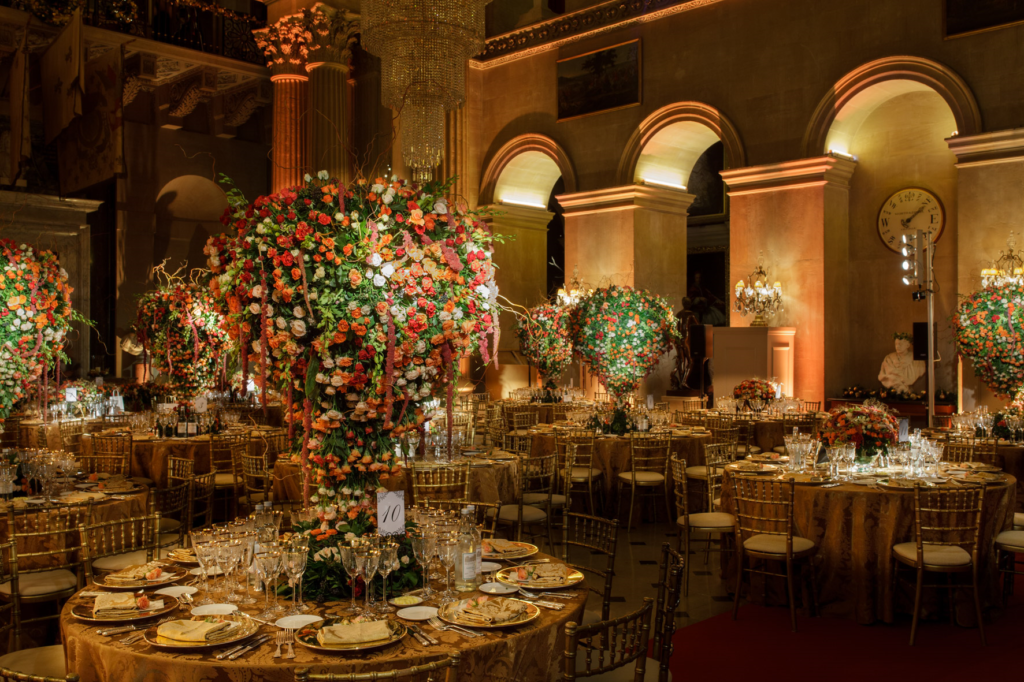
Historic venues in Westminster, the City and around Covent Garden bring immediate theatre. High ceilings, stone staircases, ornate details and strong architectural backdrops can reduce the need for extensive decorative dressing. They work particularly well for formal awards nights, association dinners and celebrations where a sense of occasion matters.
The trade-off is that listed buildings can come with tighter rules. Access may be restricted, production rigging may be limited and furniture layouts can be less flexible. It is worth checking these points before building a creative concept around a dramatic stage set or suspended installation.
Luxury hotels for guest comfort and operational ease
A luxury hotel ballroom is often the most practical choice for a gala with guests staying overnight, senior stakeholders attending or a tightly managed agenda. Hotels understand banqueting, provide established service teams and may offer useful support spaces for green rooms, speaker holding areas and organisers’ offices.
They are not all alike. Some ballrooms feel suitably grand with minimal additional production, while others need lighting, staging and branding to create a distinctive identity. Hotel packages can be helpful for budget planning, but compare precisely what is included: room hire, catering, furniture, staffing, late licence, cloakroom, Wi-Fi and production access can all sit in different parts of the quotation.
Museums and galleries for a memorable backdrop
A museum or gallery gives guests something to talk about before dinner is served. These venues can be especially effective for client entertainment, international groups and gala dinners that need a strong London sense of place. A gallery dinner can feel contemporary and considered, while a museum setting can add scale and storytelling.
However, exhibition programmes, public opening hours and conservation requirements can affect timing and design. Ask whether guests can access collections during the reception, whether photography is permitted, and how suppliers will deliver equipment. These details are manageable when planned early, but they should not be treated as an afterthought.
Contemporary spaces for creative freedom
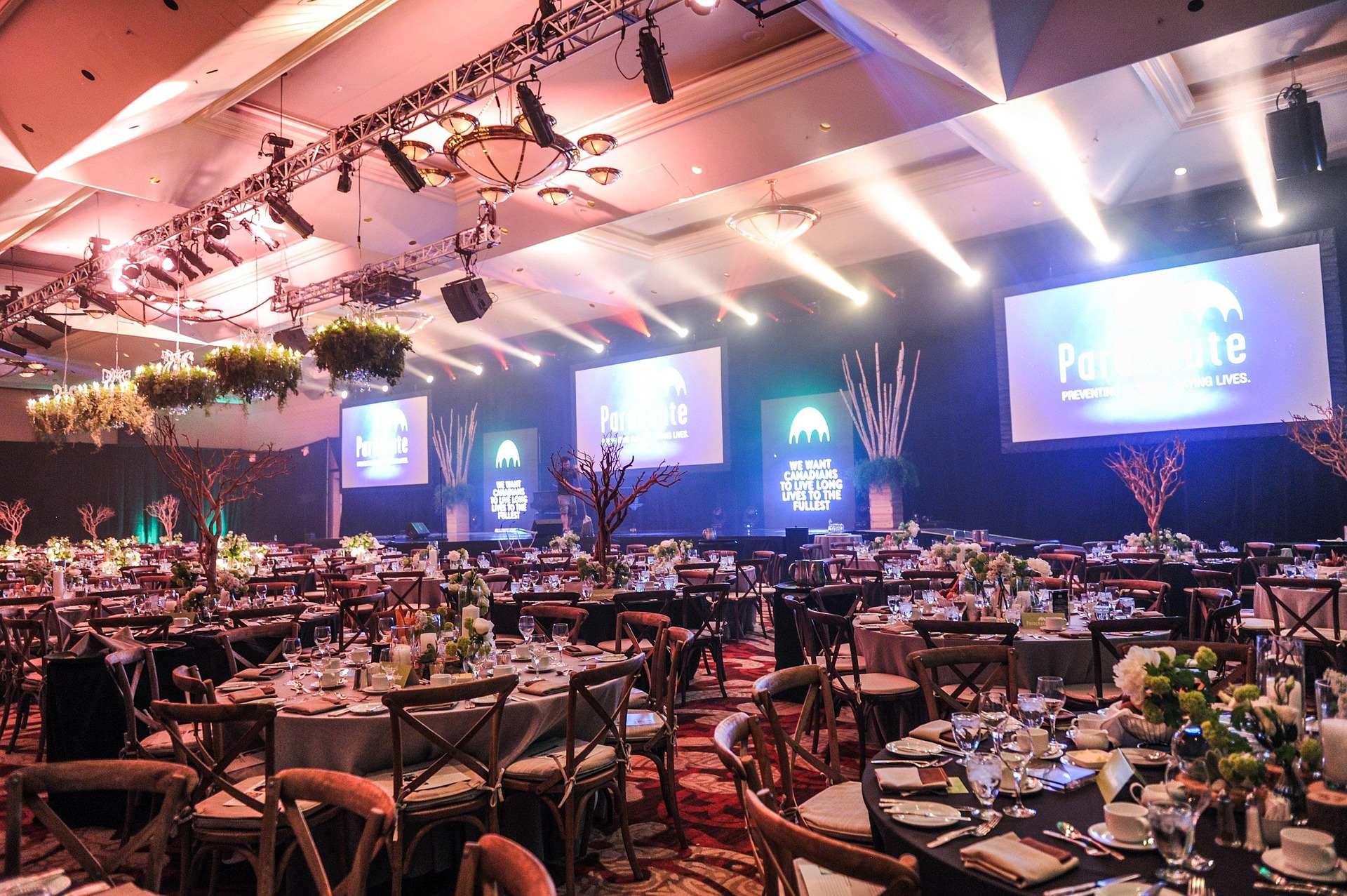
Purpose-built event venues and converted industrial spaces around Bankside, South Bank, Shoreditch and East London can offer the blank canvas needed for a more branded gala. They are often well suited to bold lighting, large screens, immersive arrival moments and entertainment-led formats.
The blank canvas comes at a cost. You may need to bring in more furniture, catering infrastructure, production and styling than at a hotel. What initially looks like a lower room-hire cost can become a more substantial overall spend. For the right brief, that investment is worthwhile. It simply needs to be visible in the budget from the outset.
Get capacity right for the full evening
A venue’s published capacity is only a starting point. It may describe a standing reception, theatre-style conference or tightly packed dinner, rather than a gala with a stage, auction area, dance floor, band, bar and comfortable circulation space.
For a corporate gala, assess the guest journey at each stage. Can everyone arrive and collect a drink without a crowded bottleneck? Is there sufficient space between dining tables for service and speeches? Can a stage be seen from every seat? Where will guests go after dinner if the room is being reset for dancing?
Table shape and seating style matter too. Rounds encourage conversation and are familiar for awards dinners, but they need more floor space than long banquet tables. Long tables can create a striking visual effect and suit an anniversary or hosted dinner, although they may complicate sightlines for presentations. A room that holds 300 for dinner may not comfortably hold 300 when the programme includes all the other elements of a gala.
Do not forget supplier space. Catering teams need service routes, production teams need technical positions, and entertainers need changing facilities or a green room. A venue that appears generous on a plan can become constrained very quickly.
Build a realistic gala budget
Venue hire is only one part of the cost. A useful gala budget includes food and drink, production, AV, entertainment, furniture and styling where needed, staffing, security, branding, photography, transport and contingency. VAT, service charges and minimum spends should also be clearly understood before approval.
The biggest budget decision is often not whether to choose a more expensive venue. It is whether that venue reduces expenditure elsewhere. A beautiful historic room may need less décor. A hotel may reduce transport and accommodation complications. A blank canvas may enable a more original event, but require greater investment in infrastructure.
Be equally clear about the menu and drinks proposition. A high-quality three-course dinner with well-paced service will usually leave a stronger impression than too many food stations competing with speeches and entertainment. If your audience includes international guests, dietary requirements and alcohol preferences need to be collected early and managed carefully.
Test the venue for production and entertainment
The gala’s energy often changes after dinner, so production should be considered during venue selection rather than added later. Check ceiling height, rigging points, power supply, sound limits, screen positions, backstage space and the timing permitted for supplier access. Ask about the final music cut-off, particularly in central locations with residential neighbours.
A DJ may work in a room that cannot accommodate a full band. A large awards screen may need a different table orientation. An auctioneer needs clear sightlines and reliable sound. If the event includes entertainment during dinner, make sure it enhances rather than interrupts service and conversation.
A site visit with the venue and production team is invaluable for larger or more complex events. It turns assumptions into practical decisions, from where guests enter to where the final taxi queue will form.
Look beyond the ballroom door
Central London convenience matters, especially for guest lists of 150 or more. Venues near major stations are helpful for guests travelling in from outside the capital, while a location close to offices can improve attendance for a weekday event. Consider step-free access, cloakroom capacity, security arrangements and whether the surrounding area feels comfortable when guests leave late.
Also consider exclusivity. Sharing a hotel or venue with another large event can affect arrival, signage, lift access and the perceived privacy of a senior client audience. Exclusive hire can provide greater control, though it usually comes at a premium.
Use venue sourcing to make the shortlist meaningful
A good venue shortlist is not a collection of fashionable names. It is a considered comparison of spaces that genuinely meet the brief, with clear notes on capacity, costs, access, catering, production restrictions and contract terms. This saves internal teams from investing time in venues that are already unsuitable.
The Event Book provides complimentary venue sourcing for corporate clients, drawing on practical knowledge of how London venues operate as well as how they look in photographs. For events needing wider support, one experienced point of contact can coordinate the venue, catering, production, entertainment and guest logistics under one contract and one invoice.
Before signing, review the cancellation schedule, minimum spend, supplier policies, overtime rates, insurance requirements and what happens if guest numbers change. These are not the glamorous parts of gala planning, but they protect the budget and prevent difficult conversations later.
The best gala venue gives your guests a reason to feel they are somewhere special, while giving your team the confidence that the evening can be delivered properly. When the setting, schedule and operational detail work together, your event brief is in safe hands and the room is free to do what it should: make the occasion feel worth celebrating.
FAQs
What are the best gala venues in London for corporate events?
The best venue depends on the guest experience, event format, capacity, budget and production requirements. Historic buildings, luxury hotels, museums, galleries and contemporary spaces can all work well.
What should I consider when choosing a London gala venue?
Consider guest flow, capacity, catering, accessibility, production requirements, entertainment, transport, exclusivity and the overall event budget.
How many guests can a London gala venue accommodate?
Published capacity should only be treated as a starting point. A gala with dining tables, stage, bar, dance floor, entertainment and supplier areas requires additional space.
Are luxury hotels suitable for corporate gala dinners?
Yes. Luxury hotels can be particularly practical when guests require accommodation, senior stakeholders are attending or the event has a tightly managed programme.
Are museums and galleries good gala venues in London?
Yes. Museums and galleries can create a memorable backdrop and are particularly effective for client entertainment, international groups and corporate gala dinners.
What costs should be included in a gala event budget?
A realistic budget should consider venue hire, food and drink, AV and production, entertainment, furniture, styling, staffing, security, branding, photography, transport, VAT, service charges and contingency.