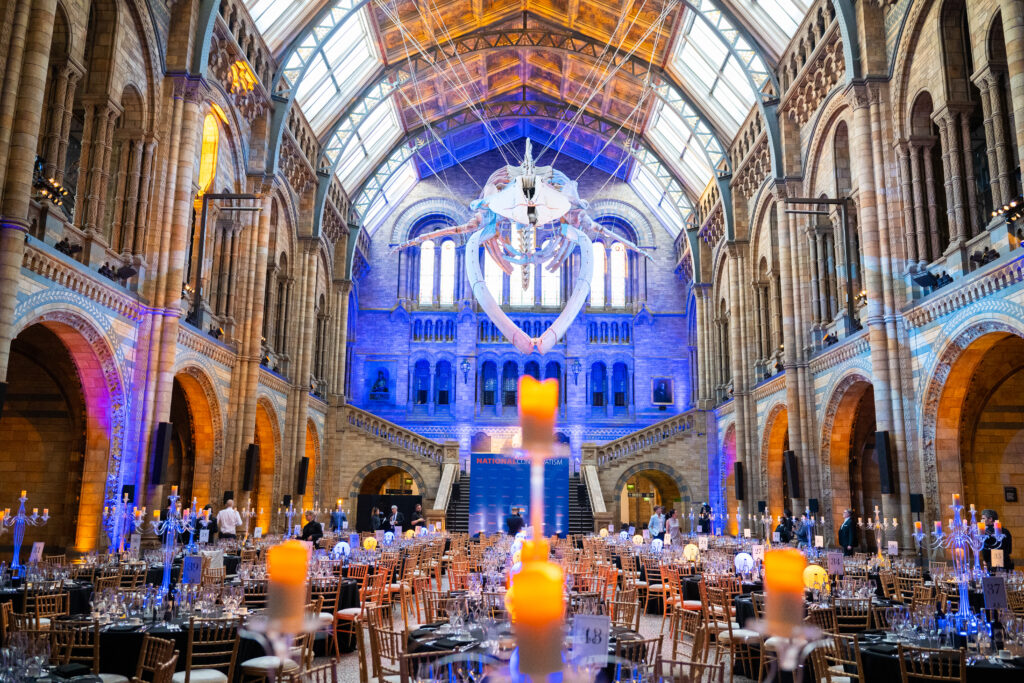
A gala dinner for 250 overseas delegates can look straightforward on a programme. Then come the realities: arrivals through several airports, rooming lists that keep changing, a venue with restricted loading times, dietary requirements, executive transfers and a production schedule that cannot slip. This is where the question of a DMC versus UK event agency becomes practical rather than theoretical.
Both can be excellent partners. Both may source venues, arrange transport, book restaurants and deliver memorable local experiences. The right choice depends on who owns the wider brief, how complex the event is and where you need local expertise to sit. For an international agency or DMC bringing a group to Britain, the strongest answer is often not an either-or decision, but a clear division of responsibility with a trusted UK delivery partner.
What a DMC does best
A Destination Management Company is a local specialist. Its value lies in destination knowledge, on-the-ground relationships and the ability to turn a visit into a properly considered programme. A DMC may arrange airport transfers, hotels, dining, guides, activities, hospitality, local staffing and logistics for incentive groups, conferences and meetings.
For a group travelling to London, that knowledge matters. The difference between two hotels may be more than room rate: it may affect coach access, delegate walking times, late-night group check-in, event timings and whether a gala dinner venue is realistically reachable after a day of meetings. A good DMC understands these operational details before they become a guest complaint.
DMCs are particularly well suited to destination-heavy programmes. If the brief centres on showing a group the best of the UK – private access, regional experiences, hospitality, restaurants and carefully managed travel – their network and local purchasing power can be invaluable. They are also often used by overseas agencies and travel planners who need a reliable partner that understands UK ways of working, supplier terms and local regulations.
That said, DMC service levels vary. Some are built primarily around travel and ground arrangements; others have substantial in-house event production and creative capability. It is worth looking beyond the label and asking precisely what they manage themselves, what they outsource and who will be on site.
What a UK event agency brings to the brief
A UK event agency is usually appointed to shape and deliver the event itself. That can begin with venue sourcing and a creative concept, then extend through catering, entertainment, AV, staging, branding, production schedules, guest communications, registration and on-site management.
For corporate clients, the agency’s focus is often the purpose of the event as much as the destination. Is the conference designed to align leadership teams? Does the awards dinner need to feel appropriately premium? Will the Christmas party work for a mixed-age guest list and reflect the company’s culture? These questions influence every choice, from format and flow to the point at which guests receive their dinner.
A senior-led UK event agency can be especially useful when the event has a large production component or needs close management of multiple suppliers. A conference in Central London, for example, might require a venue with sufficient ceiling height and rigging capacity, a credible technical plan, speaker-ready spaces, branded arrival points, sponsor requirements and a realistic turn-around between daytime sessions and an evening dinner. These are not simply booking tasks.
At The Event Book, that work is designed to feel straightforward for the client: one experienced point of contact, one contract and one invoice across the agreed event elements. For in-house marketing, HR and events teams, that can remove a significant amount of supplier administration while keeping decisions clear and accountable.
DMC versus UK event agency: the key difference
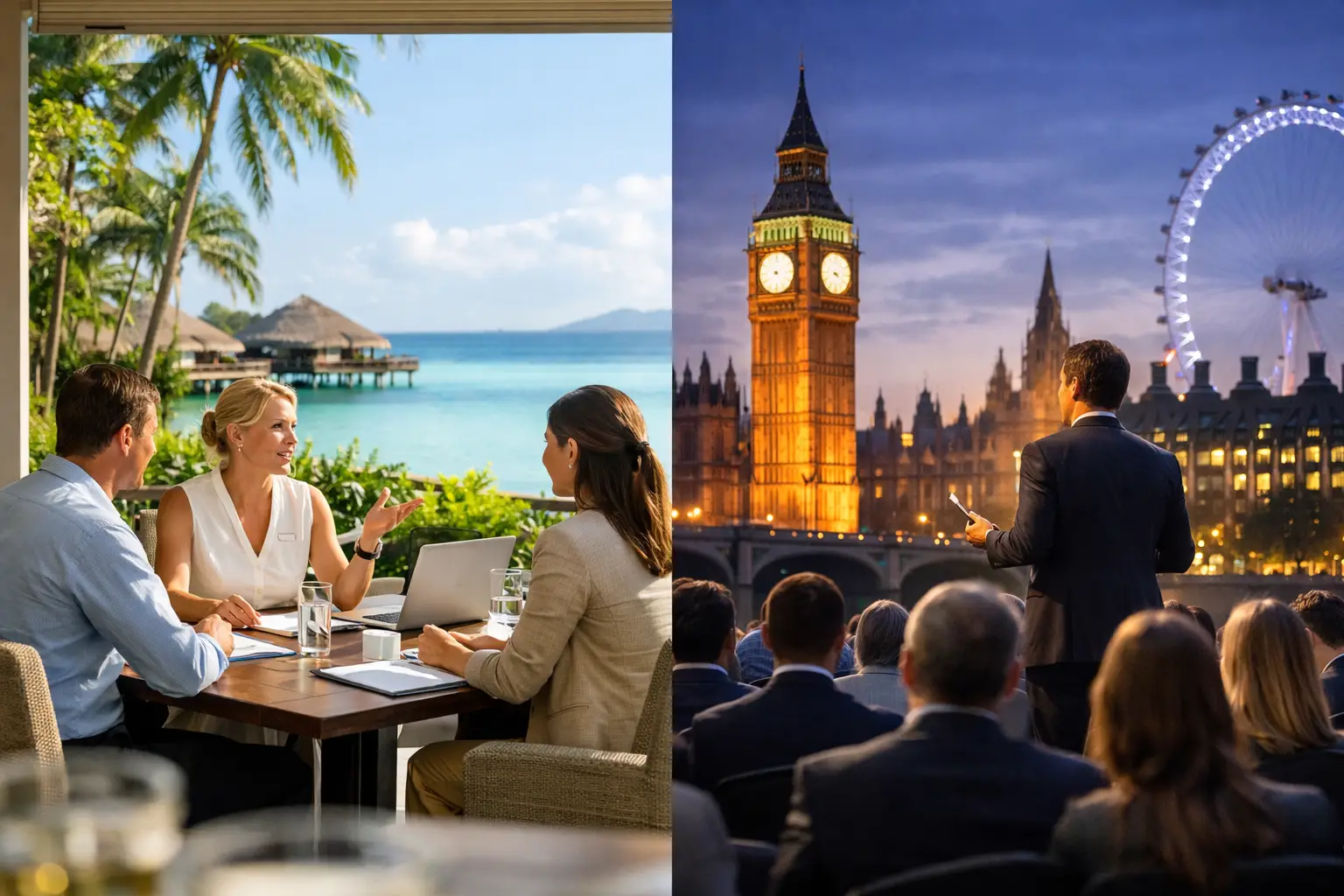
The most useful distinction is this: a DMC leads with the destination, while an event agency leads with the event objective and guest experience. In practice, there is overlap, and there is no single rule that applies to every programme.
If an international incentive involves hotels, transfers, experiences and a closing dinner, a DMC may be the natural lead. If that closing dinner becomes a fully produced awards ceremony with a complex stage set, live entertainment, branded content, rehearsals and senior stakeholders, an event agency’s production and show-calling expertise becomes more central.
For a two-day leadership conference, the balance may shift again. The agency may lead the conference design, venue, production and delegates, while a DMC supports accommodation, off-site dining and local activities. This combination works well when roles are agreed early rather than blurred halfway through planning.
The risk of unclear ownership is rarely dramatic at first. It appears as duplicated venue conversations, inconsistent timings, missing details in a transport plan or suppliers receiving conflicting instructions. The guest experience is only as joined-up as the planning behind it.
When a DMC partner needs a UK event agency
International DMCs and overseas event agencies do not always need a full UK partner. If the requirement is a simple hotel meeting and airport transfers, direct local contracting may be enough. However, local agency support becomes valuable when the programme demands more than ground logistics.
This is particularly true for events involving a large guest count, executive audiences, tight schedules or a high expectation of production quality. A UK event agency can take responsibility for venue feasibility, supplier coordination, creative delivery and on-site event management, while the DMC maintains its relationship with the end client and continues to lead the wider travel programme.
London also rewards detailed local knowledge. A venue may look ideal on paper but be impractical for coaches, restricted on external branding or unable to accommodate an evening build. A restaurant may be excellent for private dining but unsuitable for a group needing speeches, entertainment and a late finish. A specialist agency that regularly works with venues and suppliers can identify these issues before contracts are signed.
For a DMC, this does not mean giving up control. It means appointing a local partner with defined responsibilities, shared timelines and a communication style that protects the client relationship. The best partnerships feel like an extension of the same team.
Questions worth asking before you appoint
Start with the scope, not the supplier category. Ask whether the partner will manage the venue search, contracting, delegate data, accommodation, transport, catering, production, entertainment and on-site staffing. Then establish who has final authority on budget approvals and changes made during delivery.
It is also sensible to ask who will actually run the event. Senior oversight is valuable, but guests and suppliers need an experienced decision-maker present when timings move or weather changes a plan. Request examples that resemble your brief in scale and complexity, rather than relying on a broad portfolio of attractive imagery.
Commercial structure deserves equal attention. Clarify whether supplier costs are transparent, whether management fees are fixed or percentage-based, and what happens if delegate numbers change. One consolidated contract and invoice can make procurement easier, but only if inclusions, payment milestones and cancellation terms are clearly set out.
Choosing the right model for your event
Use a DMC-led model when the destination programme is the heart of the brief and travel, accommodation, local experiences and movement of guests require the greatest attention. Use an event-agency-led model when the event format, brand experience, content, production and delivery are the more demanding components.
For many international corporate programmes, a partnership model is the sensible choice. The DMC or overseas agency retains the client relationship and travel expertise; the UK event agency provides local event knowledge, venue access, production control and experienced on-site delivery. Neither party needs to duplicate the other’s work.
The deciding factor is not whether a business calls itself a DMC or an event agency. It is whether the people assigned to your programme understand the brief, can anticipate pressure points and have the authority and supplier relationships to solve problems quickly. Your event brief is in safe hands when responsibilities are explicit and the team behind the plan is as dependable as the proposal.
If you are bringing a group to London or planning a UK programme that needs venue sourcing, production, gala dinner delivery or local event support, speak to a real person at The Event Book on 020 7523 5046. You can also email your brief to events@theevemtbook.uk; Monday to Friday, 9am to 6pm, the team aims to respond within two hours. A short early conversation can establish the right delivery model before the itinerary, budget and guest experience become harder to change.
FAQs
What is the difference between a DMC and a UK event agency?
A DMC primarily focuses on destination expertise, local logistics, accommodation, transport, activities and hospitality. A UK event agency typically focuses more broadly on the event objective, creative concept, venue, production, suppliers, guest experience and on-site event management.
When should I choose a DMC for a UK event?
A DMC can be a strong choice when your programme is primarily destination-focused and involves accommodation, airport transfers, local experiences, restaurants, guides and group logistics. This can be particularly useful for international groups visiting London or other parts of the UK.
When is a UK event agency a better choice than a DMC?
A UK event agency may be more suitable when the event requires significant production, creative planning, venue sourcing, branding, entertainment, AV, staging or complex on-site management. This is often the case for conferences, awards dinners and large corporate celebrations.
Can a DMC and UK event agency work together?
Yes. A DMC can manage destination and travel-related requirements while a UK event agency handles venue sourcing, event production, supplier coordination and on-site delivery. Clear responsibilities and communication should be agreed from the beginning.
What should I ask before choosing a DMC or UK event agency?
Ask exactly what the partner will manage, who will be your main point of contact, who will be on site, how suppliers and budgets are handled, and what happens when plans change. You should also request examples of similar events in terms of guest numbers, format and complexity.
Which is better for an international corporate event in London: a DMC or event agency?
There is no single answer because it depends on the brief. A DMC may be ideal for destination logistics and experiences, while a UK event agency can be stronger for event design, production and delivery. For complex international programmes, using both can provide the most comprehensive support.