A meet the buyer event can look straightforward on paper: secure a venue, invite the right suppliers and give buyers a reason to attend. In reality, Meet the Buyer Events: From Venue Finding to Delegate Acquisition with The Event Book require a carefully connected plan. The venue affects the format, the format affects who registers, and the delegate journey determines whether the conversations on the day are worth everyone’s time.
For marketing teams, trade associations, procurement leaders and membership organisations, the goal is rarely just a busy room. It is to create relevant introductions, productive appointments and a credible experience that encourages both buyers and suppliers to return.
Start with the outcome, not the venue
The first question is not, “Where should we hold it?” It is, “What must happen in the room?” A buyer programme designed to generate new supplier relationships needs a different structure from one focused on contract renewals, destination promotion or thought leadership.
Be clear about the balance between buyers and suppliers. If suppliers substantially outnumber decision-makers, buyers can feel overwhelmed and suppliers may leave disappointed. If the event is too selective, it can lack energy and commercial value. The right ratio depends on the sector and the quality of the buyer profile, but it should be planned before invitations go out.
You also need to decide whether the event is appointment-led, open networking-led or a blend of both. Pre-scheduled one-to-one meetings provide accountability and measurable value. Open networking allows unexpected conversations and can feel more relaxed. Many successful events use structured appointments during the day, followed by a hosted lunch, drinks reception or dinner where relationships can develop naturally.
Those choices inform every practical decision that follows, from room layout and registration technology to catering timings and the type of venue that will feel appropriate.
Meet the buyer event venue finding: what really matters
A striking venue may help the invitation stand out, particularly in Central London where guests have plenty of events competing for their attention. But aesthetics alone will not carry a meet the buyer programme. The venue has to make introductions easy.
A central location with strong transport connections remains a priority for time-poor delegates. Consider where your buyers are travelling from, whether they are attending around a working day and how much time you are asking them to commit. A venue near major rail links can make the difference between a full day’s attendance and a late arrival followed by an early departure.
Capacity needs careful interpretation. A room that technically holds 200 people may be unsuitable once you add appointment tables, sponsor areas, registration, catering stations, storage, signage and circulation space. Crowded meeting zones make confidential conversations difficult, while a room that is too large can feel flat and poorly attended.
Layout should support the conversation
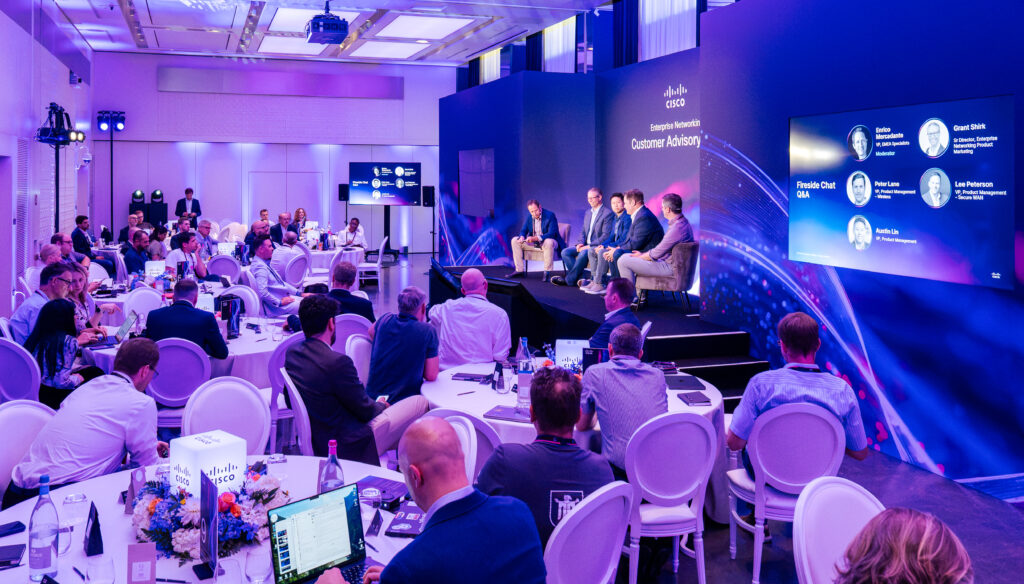
For structured appointments, cabaret or café-style tables generally create a more professional setting than rows of exhibition stands. Buyers should be able to move between meetings without crossing a crowded room or searching for a table number. Suppliers need enough space for materials, laptops and a meaningful conversation, without creating barriers between people.
If there is a conference element, separate the content space from the appointment area where possible. This prevents set changes from interrupting discussions and allows guests to move smoothly from presentations into networking. It also gives the event a sense of progression rather than asking everyone to remain in one room all day.
Do not treat food and production as afterthoughts
Catering is part of the timetable. A plated lunch may be right for a senior, hosted group, but it takes longer and can reduce networking time. Food stations, bowl food or a well-managed buffet can keep the atmosphere moving, although they need enough space to avoid queues.
Production should be scaled to the programme. Clear sound, confident lighting, branded screens and good sightlines matter for opening remarks and sponsor recognition. However, a heavily produced stage is not always the best use of budget if the main value lies in quality appointments. Spend where the delegate experience will genuinely benefit.
Delegate acquisition starts with a stronger proposition
The hardest part of a meet the buyer event is often not finding suppliers willing to participate. It is securing the right buyers and giving them a convincing reason to protect the date in a crowded diary.
“Networking opportunity” is rarely enough. Buyers need to understand what they will gain: pre-qualified suppliers, access to new ideas, relevant peer connections, useful market intelligence or a carefully curated programme that saves them research time. The more specific the promise, the more likely the right people are to register.
Your invitation should answer practical questions quickly. Who will they meet? How are attendees selected? Is travel or accommodation included? How many meetings are expected? Can they choose their appointment preferences? What happens if they can only attend part of the day?
Be honest about the commitment. A senior buyer may welcome six well-matched 20-minute meetings but decline a full day with 15 unknown suppliers. It depends on the sector, seniority and value of the hosted experience. A shorter, tightly curated format can outperform an ambitious agenda that asks too much.
Build the buyer journey before launch
Delegate acquisition is not a single invitation email. It is a sequence of timely, useful communication that begins with a clear save-the-date and continues through registration, appointment selection, reminders and post-event follow-up.
Segment your audience. Existing buyers who attended last year may respond to early access and a familiar format. New prospects may need more detail about why the event is worth their time. International guests may need travel information well before the programme is finalised. A one-size-fits-all invitation tends to produce a one-size-fits-all response.
Personal outreach is particularly valuable for high-priority buyers. A thoughtful call or individual email from a relevant host can identify objections early, clarify the value and make the invitation feel considered rather than mass-sent. For senior audiences, this personal approach is often more effective than increasing the volume of marketing activity.
Registration data should shape the event
A good registration process gathers more than a name, job title and dietary requirement. It should help you understand a buyer’s role, purchasing interests, current priorities and the types of suppliers they want to meet. Used well, this information improves appointment matching and gives suppliers a more focused reason to take part.
There is a trade-off. Long registration forms can provide useful data but create drop-off, particularly on mobile. Ask only for information that will improve the attendee experience or support essential event delivery. Additional preferences can be gathered later, once someone has committed.
Appointment matching deserves senior attention. Automated systems can save time, but the output still needs checking. A procurement lead seeking technology partners should not be placed with an unrelated service provider simply because categories appear broadly similar. A small amount of human oversight protects the credibility of the event.
Protect attendance after registration
A healthy registration number does not guarantee a healthy room. Diaries change, urgent meetings appear and buyers may deprioritise events if the value is unclear close to the date.
Keep attendees engaged between sign-up and arrival. Confirm their appointment schedule in good time, share useful practical information and make the agenda easy to understand. If a buyer has chosen the suppliers they want to meet, they are much more likely to attend.
Make cancellation simple, not punitive. An early cancellation gives you the chance to invite someone from the waiting list or rework meeting schedules. It is better than a no-show that leaves suppliers waiting at an empty table.
On the day, a calm and well-informed registration team sets the tone. Delegates should know where to go, who they are meeting and what happens next within moments of arrival. Small details matter: visible hosts, readable signage, charged devices, accurate name badges and a quiet place for urgent calls can all improve the experience for senior guests.
One experienced partner keeps the moving parts connected
Meet the buyer events involve many dependencies: venue availability, supplier commitments, buyer recruitment, appointment technology, catering, production, travel, delegate communications and on-site hosting. When each element sits with a different provider, it is easy for gaps to appear.
The Event Book can manage complimentary venue sourcing alongside full event management, bringing the venue, programme, suppliers and delegate experience together under one experienced point of contact, one contract and one invoice. For a London-based event or a programme delivered elsewhere in the UK or internationally, that joined-up approach helps the brief stay consistent from the first venue viewing to the final appointment.
If you are planning a meet the buyer event and need practical advice on venue options, audience flow or attracting the right delegates, call 020 7523 5046 or email your event brief to events@theeventbook.uk. We respond within two hours, Monday to Friday, 9am to 6pm. The strongest events are not those with the busiest rooms, but those where every guest leaves feeling their time was well spent.
FAQs
What is a meet the buyer event?
A meet the buyer event brings buyers and suppliers together for relevant introductions, structured appointments, networking and opportunities to develop commercial relationships.
How do you plan a successful meet the buyer event
Start with the desired outcome, define the balance between buyers and suppliers, choose the right event format, secure a suitable venue and build the delegate journey around the quality of the meetings and overall experience.
How do you find the right venue for a meet the buyer event?
Look for a central and accessible location, suitable capacity, effective appointment layouts, enough circulation space, separate content and meeting areas where possible, and catering and production that support the programme.
How do you attract buyers to a meet the buyer event?
Give buyers a specific reason to attend, such as access to pre-qualified suppliers, relevant peer connections, useful market intelligence or a curated programme that saves them research time. Personal outreach can also be particularly valuable for high-priority buyers.
What information should buyers provide during registration?
Registration can collect information about a buyer’s role, purchasing interests, current priorities and the types of suppliers they want to meet. This can improve appointment matching, although forms should remain focused enough to avoid unnecessary drop-off.
Can The Event Book manage a meet the buyer event?
Yes. The Event Book can combine complimentary venue sourcing with full event management, coordinating the venue, programme, suppliers and delegate experience through one experienced point of contact.