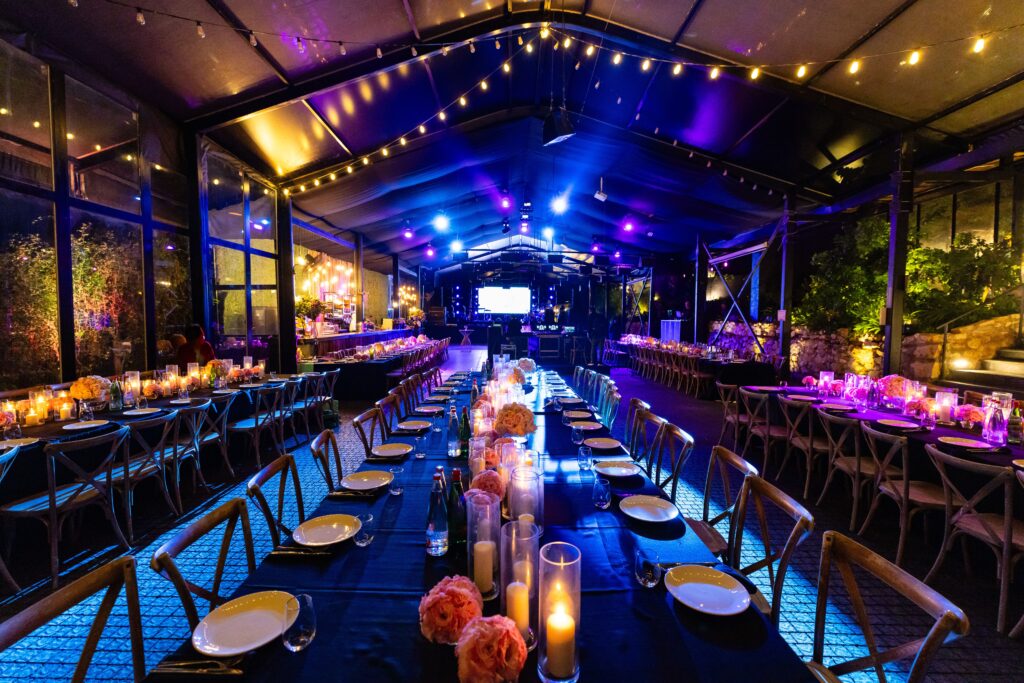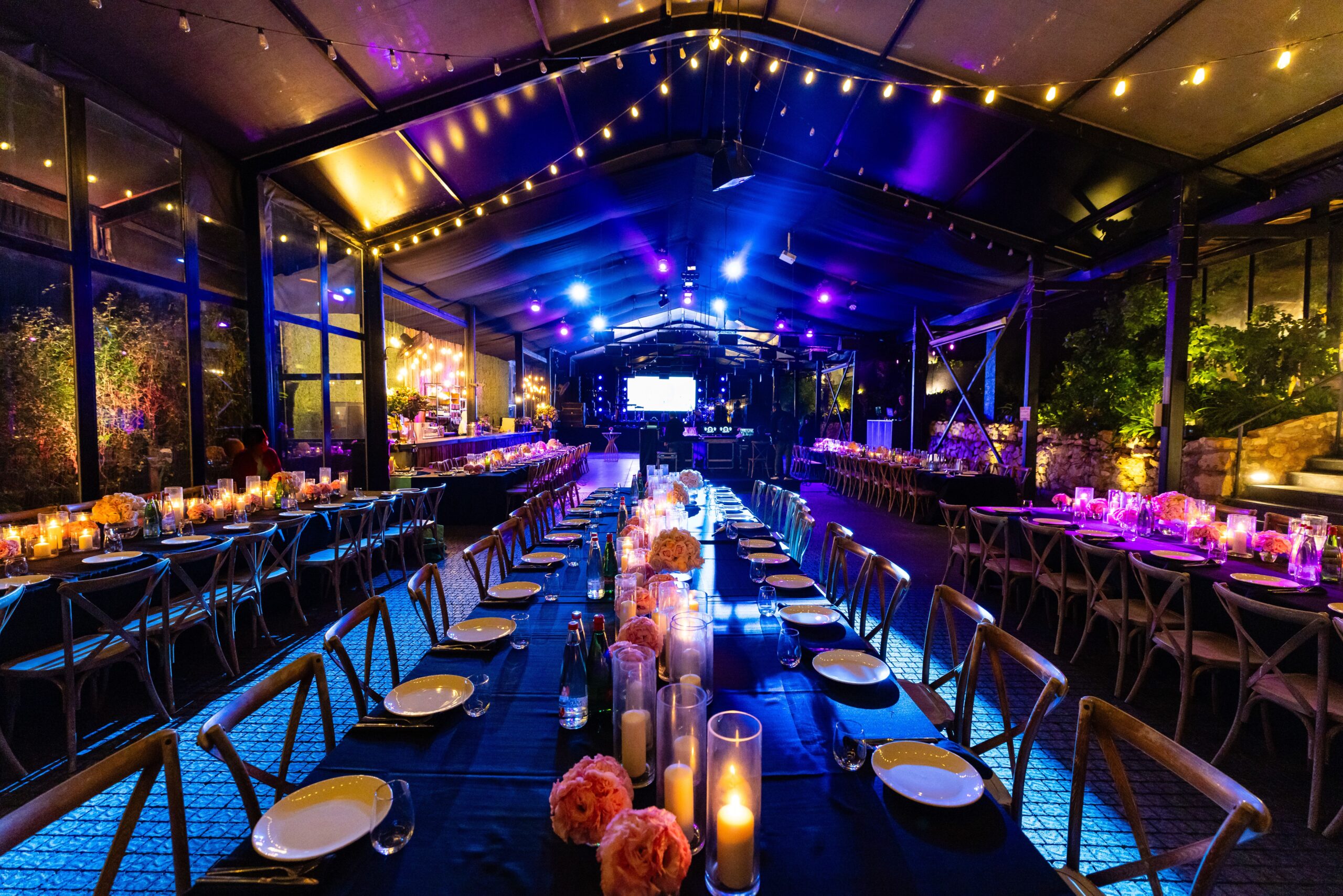
A venue can set the direction of a corporate event before the first guest receives an invitation. It affects attendance, travel plans, catering choices, production requirements, budget and the atmosphere people take away with them. That is why full service event management should begin with a considered venue search, not a generic list of spaces.
For many clients, the first challenge is simply finding the right venue without spending days contacting dozens of options. The Event Book provides free venue finding across London, the UK and internationally, giving corporate teams a focused shortlist based on the practical realities of their brief. You can use this service on its own or ask us to manage every part of the event once the venue is confirmed.
Free venue finding that saves valuable time
A strong venue search is more than matching guest numbers to a room capacity. A space that looks suitable on paper may have restricted access times, limited loading arrangements, unsuitable acoustics, a difficult room layout or catering terms that change the overall cost. These details matter, particularly for conferences, exhibitions, gala dinners, product launches and large corporate Christmas parties.
Our service is completely free to clients. Once we receive a complete brief, we get to work on your event brief right away, checking availability, gathering indicative costs and identifying options that genuinely fit. We aim to provide a shortlist of preferred venues within two working hours. The exact timing depends on the complexity of the enquiry and how quickly venues respond, especially where dates are popular or requirements are highly specific.
Every enquiry is handled by a real person. You will speak directly with an experienced event professional who can ask the useful questions that make a search more accurate: Is theatre seating enough, or is there a requirement for cabaret and a stage? Will guests need accommodation nearby? Does the event need a separate registration area, breakouts or exhibition space? Is production likely to be straightforward, or does the format call for substantial AV, lighting and branding?
That conversation prevents time being lost on options that are attractive but impractical.
What full service event management covers
Some clients need a trusted partner to find a venue quickly. Others need one senior-led team to take responsibility for the whole event. Full service event management brings the decisions, suppliers and logistics together so that there is one experienced point of contact, one contract and one invoice.
The scope depends on the brief. For a private dinner for 25 guests, support may centre on finding the right private dining room, agreeing a menu and managing guest details. For a multi-day conference, it may include venue contracting, accommodation, speaker logistics, delegate registration, staging, AV, catering, exhibition management, branding, entertainment and onsite delivery.
The benefit is not simply having more hands involved. It is having someone who understands how each element affects the others. A late change to guest numbers can affect room layout, catering guarantees and furniture requirements. A band may need a different stage position from the one assumed in an initial floorplan. An awards presentation may require additional rehearsal time and a more substantial technical schedule than a dinner alone.
Your event brief is in safe hands when those decisions are managed together rather than passed between separate suppliers.
Venue choice and budget planning
Corporate venue budgets can be difficult to compare because proposals are rarely structured in exactly the same way. One venue may include furniture, basic AV and a reception drink, while another quotes these items separately. A lower room hire can become less competitive once catering minimum spends, staffing, security, late licences, cloakroom provision and technical costs are included.
With more than 20 years of venue-finding experience, our team explains these practical differences clearly. Our London venue relationships and international connections allow us to make relevant introductions, check the right details quickly and negotiate rates where possible. We do not promise that every venue will be the lowest-priced option, because value is about more than the initial figure. It is about suitability, service, location, inclusions and the risk of unforeseen costs later.
For London corporate venue finding, location should be considered from the guests’ perspective. A Central London setting may suit an after-work event or client reception, while a venue close to a station can make a national conference easier for delegates travelling in. For international guests, proximity to hotels, airports or key transport links may take priority over a postcode.
Production, catering and guest experience
The venue is the framework, but the guest experience is built through the details. Full service event management means considering how guests arrive, register, move between spaces, eat, network and leave. It also means planning for what happens behind the scenes.
Catering needs to work with the schedule, not against it. A plated dinner may be right for a formal awards evening, but can slow down a programme if the kitchen cannot serve the guest count within the available window. Food stations can encourage movement and conversation at a networking event, while a daytime conference may need shorter, well-timed breaks to keep delegates engaged.
AV and production should be planned early, particularly where there are presentations, live entertainment, hybrid speakers or significant branding. A beautiful historic building may need additional lighting, more discreet cable routes or careful sound planning. A contemporary conference venue may provide strong in-house facilities but have restrictions on external equipment. Neither is automatically the better choice. It depends on the programme, audience and priorities.
Calm onsite delivery
On the day, guests should see a well-run event, not the work required to make it happen. Behind the scenes, that means confirming supplier arrival times, checking room turns, coordinating speakers, monitoring catering, managing technical cues and responding quickly when plans change.
A senior-led team is particularly valuable when an event has many moving parts. If a flight delay affects a keynote speaker, a room is released later than expected or an exhibition delivery arrives early, decisions need to be made promptly and with the wider programme in mind. The aim is not to eliminate every variable. It is to make sure there is an experienced person ready to deal with it.
From private dining to international events
Our venue finding and event planning support covers a broad range of briefs, from private dining for 25 guests to large conferences, exhibitions, awards ceremonies, summer parties, team building, incentives and client hospitality. We work with corporate decision-makers, in-house event teams, HR and People & Culture teams, marketing teams, EAs, office managers, procurement teams, DMCs and agency partners.
For corporate Christmas parties in London, the search often starts with capacity and budget, but the format is equally important. A party for 150 or more guests may need exclusive hire, strong transport access, a late licence, production capability and sufficient space for a reception, dinner and dancing. Budgets of £200 or more per person can provide good options in Central London, but the available dates, drinks package, entertainment and styling ambitions will shape the final choice.
International event planning brings an additional layer of detail. Time zones, local supplier practices, currency, contracts, guest travel and cultural expectations all need consideration. Our approach remains personal: understand the brief, recommend suitable options and manage the practicalities with clear communication throughout.
When to use venue finding alone
Free venue sourcing is a sensible choice when you have an internal team ready to manage the event but need expert help narrowing the market. We can check availability, obtain indicative costs and present relevant choices, leaving you with the information needed to make a confident decision.
Full management is often the better route where the event is complex, the internal team is stretched, or the guest experience carries particular importance. It can also be useful when you want a single team to coordinate venue, suppliers and delivery rather than managing several separate relationships.
There is no obligation to take both services. The right level of support is the one that gives your team the time, clarity and reassurance it needs.
Send us your complete brief and we aim to provide a shortlist of preferred options, availability and indicative costs. Speak to a real person. Call us on 020 7523 5046 or email your event brief to events@theeventbook.uk. We respond within 2 hours, Monday to Friday, 9am-6pm.
FAQs
What is full-service event management?
Full-service event management covers the organisation and delivery of an event from the initial brief and concept through to planning, supplier coordination and on-site management.
What does a full-service event management agency include?
Services can include venue sourcing, supplier procurement, contract negotiation, catering, AV, staging, branding, production, delegate logistics and event-day coordination.
What types of events need full-service event management?
It can be particularly useful for conferences, exhibitions, product launches, awards ceremonies, gala dinners, corporate parties, leadership meetings and international programmes.
What is the difference between full-service event management and venue sourcing?
Venue sourcing focuses on finding suitable venues, checking availability and comparing proposals. Full-service event management goes further by coordinating the suppliers, production, logistics and delivery of the entire event.
What are the benefits of hiring a full-service event management agency?
A full-service agency provides one experienced point of contact to coordinate different elements of an event. This can reduce internal workload, improve supplier communication and help manage budgets, schedules and event delivery.
How much does full-service event management cost?
Fees depend on the event budget, size, complexity and services required. Ask the agency for an upfront proposal explaining its management fees, scope of work and any additional costs.