A guest should not have to disclose a disability repeatedly, arrive early to solve a problem alone, or sit out part of the programme to attend a corporate event. Accessible business events are not a specialist add-on to consider once the venue is booked. They are a practical part of good event planning, shaping who can participate, how comfortable they feel and what they take away from the day.
For HR, People & Culture and internal events teams, this means moving beyond a tick-box approach. The objective is to create an experience where guests can focus on the content, conversations and celebration, rather than navigating avoidable barriers.
What accessible business events look like in practice
Accessibility covers much more than step-free access. A guest may have a mobility impairment, be Deaf or hard of hearing, be neurodivergent, have a visual impairment, manage a chronic health condition or have dietary requirements linked to faith, allergy or medical need. Some requirements will be visible and some will not. Neither should require an explanation in front of colleagues.
The best approach is to build choice and flexibility into the event from the first brief. That might mean an accessible entrance alongside clear wayfinding, captions during presentations, a quiet room away from a busy conference floor, seating with backs and arms, or a menu that is as considered for guests with allergies as it is for everyone else.
There is no single template. A formal gala dinner for 300 people has different considerations from a leadership conference, company away day or office Christmas party. What matters is asking the right questions early, then making practical decisions that suit the audience, venue and budget.
Start with the invitation, not the floorplan
An accessible event begins with communications. Registration should include a straightforward, optional question about access and dietary requirements, with enough space for guests to describe what would help. Avoid asking only whether someone is “disabled”; it is too broad and may discourage useful responses.
Make it clear who will read the information, how it will be used and when guests need to respond. For a large event, set a sensible deadline, but leave a route for late requests. Plans change and people may not feel comfortable sharing a requirement until closer to the date.
The invitation itself should be easy to read on a mobile phone and compatible with screen readers. Use clear headings, descriptive rather than decorative images, strong colour contrast and plain language. If you are providing an event app, do not make it the only place guests can find essential details such as the schedule, venue address, menu or contact number.
Pre-event information should cover the practicalities people otherwise have to chase: the nearest step-free station, accessible parking or drop-off arrangements, entrance route, lift access, accessible toilets, seating format and the availability of a quiet space. For an evening event, include the expected finish time and transport arrangements. That level of detail reassures every guest, not only those who have told you about a specific requirement.
Choose a venue that works beyond the brochure
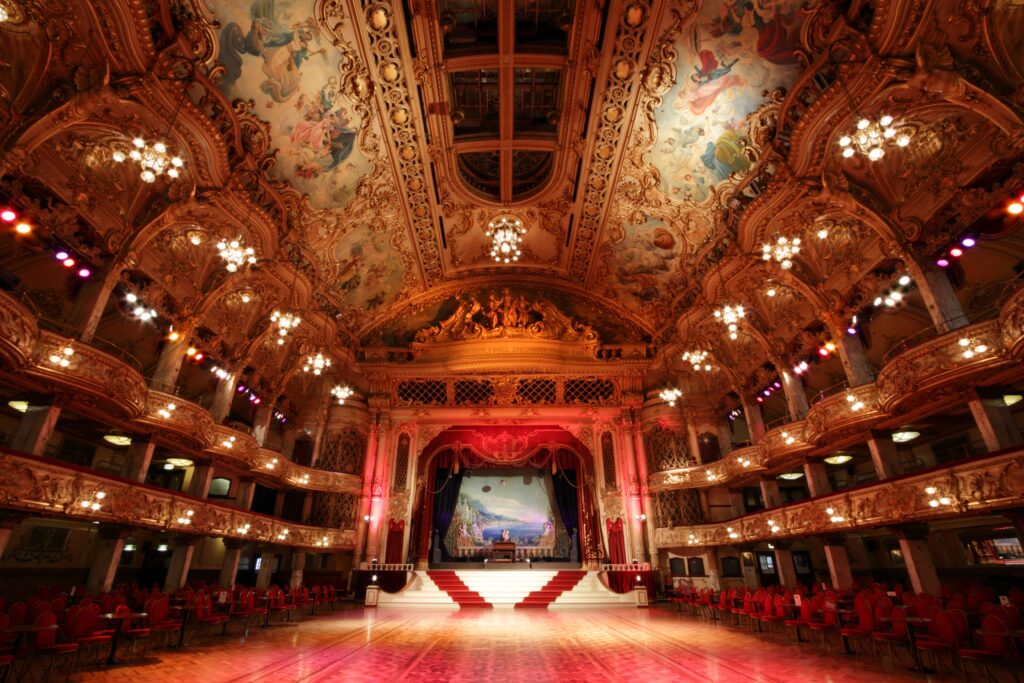
A beautiful venue can still be difficult to use. Historic London buildings, rooftop spaces and museums often make memorable settings, but listed architecture, split levels and narrow routes can introduce genuine constraints. This does not rule them out. It does mean the access plan needs to be checked in person rather than assumed from a venue fact sheet.
During a site visit, follow the guest journey from arrival to departure. Consider the pavement and drop-off point, entrance width, reception desk height, lifts, cloakroom, toilets, dinner tables, stage route and evacuation procedure. Check whether a wheelchair user can reach the bar, whether a guest using a hearing aid will be affected by background noise, and whether there is somewhere to take a break without leaving the event entirely.
Capacity is relevant here. A room may technically hold 250 guests for dinner, but tighter table spacing can make it difficult for wheelchair users, guests with assistance dogs and catering teams to move safely. Reducing capacity slightly can produce a much better experience. It may affect venue hire or per-head costs, so it is a decision to make openly rather than discover during set-up.
For clients looking at Central London venues, local knowledge can make a considerable difference. The Event Book’s complimentary venue sourcing considers access alongside location, guest numbers, budget and the desired atmosphere, so a venue is not shortlisted simply because it looks right in photographs.
Do not overlook the quieter spaces
A quiet room is one of the most useful provisions at a busy conference or celebration. It should be clearly signposted, comfortable, appropriately lit and genuinely separate from loud music, networking or catering activity. It is not a storage room with a chair added at the last minute.
For a long conference, also consider prayer space, feeding arrangements for parents, an area for medication or personal care where appropriate, and a staffed point of contact who can help discreetly. These details are rarely complicated, but they need ownership.
Design the programme for different ways of participating
An event agenda can create barriers even in a fully accessible building. Consecutive presentations, loud walk-on music, dimly lit networking and lengthy standing receptions may suit some guests while excluding others.
Build in regular breaks, offer seating throughout networking where space allows, and avoid making participation dependent on standing, speed or public disclosure. If a panel includes audience questions, provide a written question route as well as a roaming microphone. If there is a team activity, ensure there is an equally valuable role for people who cannot or do not wish to take part in its physical element.
For presentations, captions are often useful for far more people than expected, including international guests and anyone seated near a noisy service area. British Sign Language interpretation, speech-to-text reporting or hearing loop provision may be needed depending on the audience. These services require advance planning, suitable sightlines and a production team that understands how to support them.
Lighting and sound deserve particular care. Dramatic production can be effective at an awards dinner or product launch, but flashing effects, haze, excessive bass and sudden volume changes can be uncomfortable or unsafe for some guests. Give clear advance warnings where relevant, brief speakers and entertainers, and ensure there is an alternative route or quieter area.
Make catering inclusive without making it awkward
Food is often where good intentions unravel. Labelling dishes clearly is essential, but labels alone are not enough when guests have serious allergies or medical dietary needs. Work with the caterer on ingredient information, allergen controls and a clear service process, then ensure the event manager and waiting team know who is responsible for answering questions.
Avoid treating dietary meals as an afterthought. A guest who has requested vegan, halal, gluten-free or allergen-safe food should receive a meal of comparable quality and presentation to the main menu. At a seated dinner, discreet place markers or a table plan can help service run smoothly, provided personal information is not displayed unnecessarily.
Consider the whole day, not just the main meal. Dietary provisions should extend to registration refreshments, working lunches, canapés and late-night food. Guests should not be left with a banana while everyone else enjoys the menu.
Brief every supplier and assign responsibility
Accessibility often fails in the handover between teams. The venue may understand the access route, the caterer may know the dietary list, and the AV supplier may have arranged captions, but guests experience one event. A single, joined-up plan is what makes the difference.
Create an access briefing that covers guest requirements, venue routes, seating, production cues, catering, emergency arrangements and the escalation process if something changes. Share only the personal information people need to do their job, and treat it with care.
On the day, assign a senior point of contact who is visible, calm and empowered to make decisions. They should check the accessible route before doors open, confirm the quiet room is ready, test microphones and captions, speak with the catering lead, and know how to respond if a guest needs support. This is where experienced on-site event management earns its place: details are anticipated before they become problems.
Budget for access from the outset
Some adjustments cost little or nothing, such as clearer communications, better table spacing, reserved seating and a more thoughtful running order. Others, including interpreters, captioning, temporary ramps, accessible transport or additional crew, need a dedicated budget line.
The trade-off is not between accessibility and a memorable event. It is usually between planning properly at the outset or paying more, and delivering less well, when a requirement emerges late. If budget is tight, prioritise the needs identified by your guests and the barriers created by your particular venue and format. Do not spend heavily on features that look impressive but do not solve a real problem.
If you are planning an accessible corporate event and need help choosing a suitable venue, coordinating accessibility requirements or making sure every part of the guest experience is properly considered, Send us your enquiry.
Speak to a real person. Call us on 020 7523 5046 or email your event brief to events@theeventbook.uk. We respond within 2 hours, Monday to Friday, 9am-6pm.
The most welcoming events are not those where accessibility is announced loudly. They are the ones where people arrive, participate and leave feeling that the event was designed with them in mind.
FAQs
What makes a business event accessible?
An accessible business event considers more than step-free access. It can include clear wayfinding, suitable seating, captions, quiet spaces, accessible toilets, inclusive catering and practical support throughout the guest journey.
How do I make a corporate event accessible?
Start accessibility planning at the briefing stage by asking guests about access and dietary requirements, choosing a suitable venue, providing clear information and designing the programme so people can participate in different ways.
What should I check when choosing an accessible event venue?
Check the full guest journey, including drop-off areas, entrances, reception desks, lifts, cloakrooms, toilets, table layouts, stage access and evacuation procedures rather than relying only on a venue’s accessibility information.
How can I make corporate event catering more inclusive?
Collect dietary requirements early, work with the caterer on ingredients and allergen controls, and ensure dietary meals are comparable in quality and presentation to the main menu. Consider refreshments, lunches and late-night food as well as the main meal.
What accessibility support might a corporate event need?
Depending on the audience, support may include captions, British Sign Language interpretation, speech-to-text reporting, hearing loops, accessible transport, quiet spaces and suitable seating.
How much does it cost to make a business event accessible?
Some accessibility improvements can cost little or nothing, such as clearer communications, better table spacing and reserved seating. Other measures, such as interpreters, captioning, accessible transport or additional crew, may require a dedicated budget.