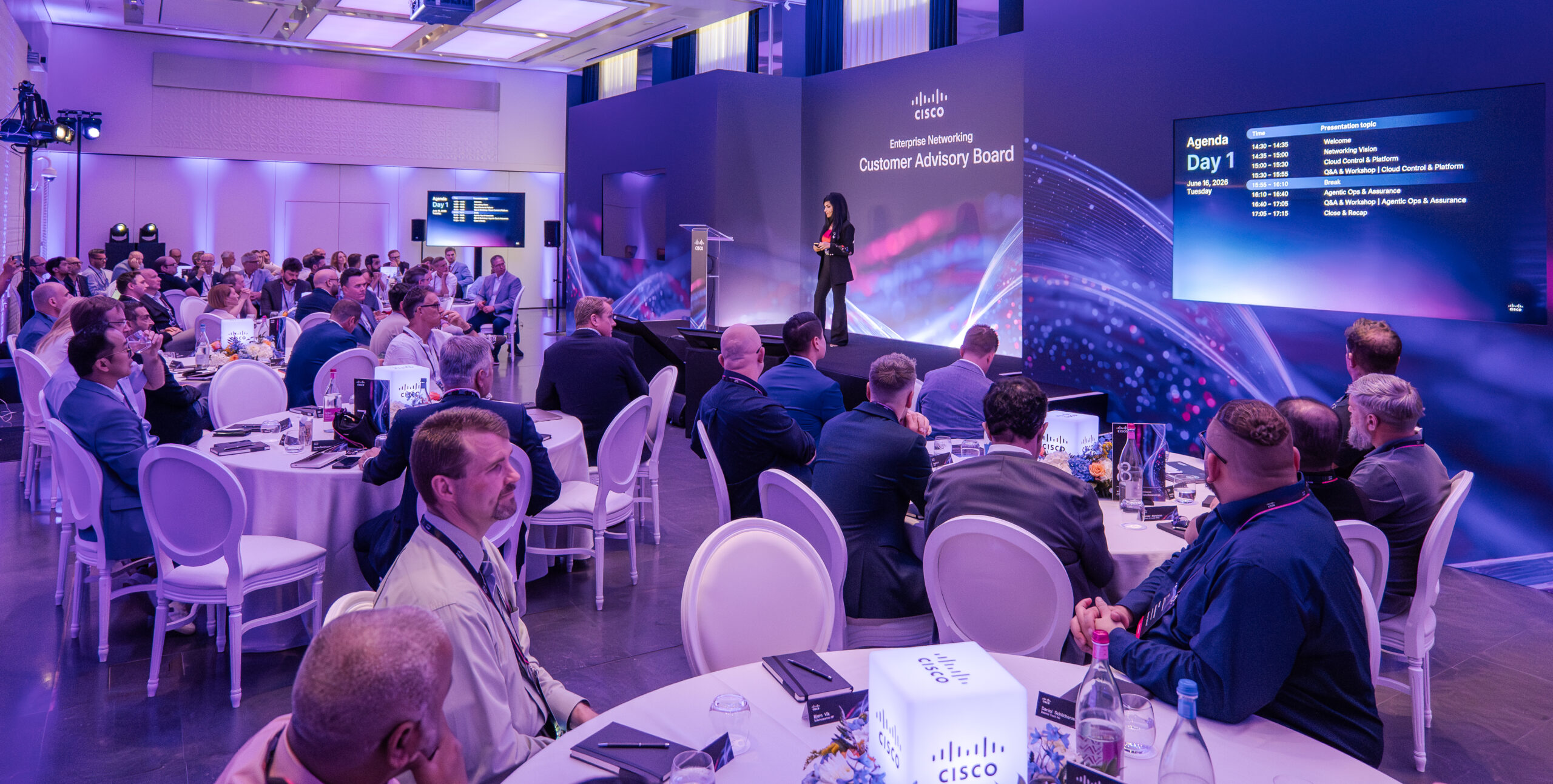
A venue can make a well-planned conference feel effortless, or make every part of the day harder than it needs to be. The conference hotel versus unique venue decision is not simply a question of character versus convenience. It affects delegate attendance, accommodation, AV costs, catering flow, branding opportunities and the amount of risk your internal team is asked to carry.
For a leadership summit with guests arriving from several countries, a hotel may be the sensible choice. For a product launch, awards dinner or annual conference where you need people to feel that this is not just another day out of the office, a distinctive venue may earn its place in the budget. The right answer depends on the event’s purpose and the experience you need guests to have from the moment they receive the invitation.
Conference hotel versus unique venue: start with the event objective
Before comparing floorplans or tasting menus, be clear about what the event needs to achieve. A conference designed for efficient knowledge-sharing has different venue requirements from one intended to bring dispersed teams together, impress clients or mark a major business milestone.
Hotels are particularly strong when the agenda is dense, delegates are travelling, and the event has several moving parts. Meeting rooms, bedrooms, breakfast, breakout spaces, dinner and a late-night drink can all sit under one roof. That simplicity can protect the delegate experience, especially for two-day conferences, international groups and early starts.
A unique venue is often more powerful when the setting needs to reinforce the message. A museum, historic building, gallery, private members’ space or contemporary event venue gives guests a clear sense that they are attending something purposeful. It can create anticipation before the event begins and provide a stronger backdrop for presentations, photography, content capture and conversation.
Neither option is automatically better. A spectacular venue that leaves guests queuing for taxis in the rain or struggling to hear the keynote is not a success. Equally, a hotel ballroom can feel considered and premium when it is well chosen, properly produced and given a clear creative identity.
What a conference hotel does well
The greatest advantage of a conference hotel is operational certainty. Established conference properties are designed around corporate meetings: they understand registration, room turns, dietary requirements, breakout timings, speaker green rooms and the need for reliable Wi-Fi. Their in-house teams are used to working to a run sheet rather than treating a conference as a one-off occasion.
Accommodation is the obvious benefit. When delegates can take a lift from their room to breakfast and walk straight into the conference, attendance at early sessions tends to improve. There is no separate transport plan, no lost time moving a group across London, and fewer opportunities for a delayed journey to disrupt the agenda. For international attendees, this also provides one familiar base and a straightforward point of contact.
Hotels can offer better value than clients initially expect, particularly when bedrooms, meeting space and food and beverage spend are negotiated together. Package pricing makes early budgeting easier, and there is often less requirement for hired furniture, temporary kitchens, additional security or extensive back-of-house infrastructure.
There are trade-offs. Many hotel event spaces are neutral by design, so the room may need staging, lighting, furniture, florals, graphics or entertainment to feel specific to your company. Minimum food and beverage spends, supplier restrictions and charges for technical services also need close attention. A day delegate rate can look attractive until you add upgraded catering, evening drinks, production and branding.
When a hotel is likely to be the right call
Choose a conference hotel when bedrooms are central to the brief, the programme includes multiple breakouts, delegates are travelling long distances, or time is tight. It is also a strong option for a conference followed by a gala dinner, where moving a large group between venues would add cost and complexity without improving the experience.
Where a unique venue earns its premium
Unique venues give an event a sense of occasion that is difficult to replicate in a standard meeting suite. In Central London, that might mean bringing delegates into an iconic cultural institution, a listed building with dramatic architecture or a design-led space with views across the city. The venue becomes part of the story, rather than simply the place where the story is told.
This is valuable for conferences that need to attract busy senior guests, client events where brand perception matters, and employee gatherings where recognition and shared experience are high on the agenda. A memorable setting can create natural conversation points and make the event feel more rewarding for people who have made time to attend.
Unique spaces also offer more scope to shape the environment around your brand. You may be able to use an arrival space for an immersive welcome, turn a gallery into a drinks reception, create an informal lounge for networking, or reveal a dinner setting after the final conference session. Done well, these transitions maintain energy across a long day.
The operational detail is usually greater. Some historic venues have restricted access times, limited loading bays, protected surfaces, lower power capacity or strict rules around rigging and candlelight. Others require all catering, AV, furniture and security to be brought in. These are manageable considerations, but they need to be priced and planned from the outset rather than treated as last-minute additions.
A unique venue can also be less forgiving of a changing guest list. Hotels often have a larger range of rooms and more flexibility around set-up. In an exclusive-hire venue, a modest reduction in numbers can leave a large room feeling underpopulated, while a late increase may exceed the practical capacity for dining, cloakroom space or toilets.
Look beyond venue hire when comparing budgets
A fair comparison means looking at the total delivered cost, not the headline room-hire figure. A hotel may include tables, chairs, basic AV, staffing and catering within a day rate. A unique venue may have a lower hire fee but need production, power distribution, Wi-Fi upgrades, staffing, security, furniture, cloakroom management and a separate catering team.
That does not mean a unique venue is always more expensive. It may offer a better return if the guest experience supports an important commercial or cultural objective. The point is to compare like with like, including contingency. Ask for a detailed picture of what is included, what is compulsory, and what you will need to add to deliver the standard your guests expect.
Catering deserves particular attention. Hotel kitchens are built to serve conference numbers efficiently and can handle tight timings well. At a blank-canvas venue, an excellent specialist caterer can produce a more tailored menu, but the proposal should allow for kitchen equipment, service areas, staffing, glassware and the practical time needed to serve everyone. For 200 guests, a five-minute delay in service can quickly become a 30-minute dent in the schedule.
Production, access and delegate flow matter more than décor
The room that looks impressive online is not necessarily the room that works for a conference. Check sightlines from every seat, ceiling height for screens and lighting, acoustics, stage position, accessible routes, registration capacity and where delegates will take breaks. If you are running parallel sessions, consider how sound will travel between rooms and whether guests can move without crossing the main stage or disrupting speakers.
Arrival and departure are equally important. A venue near major rail stations or with easy access to the Underground may be more useful than one with a fashionable postcode. For large groups, assess the pavement space outside, taxi and coach arrangements, security requirements, and whether the cloakroom can cope with everyone arriving at once.
With any venue, a site visit with the people responsible for content, production and guest management is worthwhile. It turns assumptions into decisions. You can test the registration journey, identify where branding will have impact, and agree a realistic plan for loading, rehearsals and room turnaround.
A practical way to make the decision
Bring your stakeholders back to three questions. First, does the venue support the event’s purpose? Second, can it deliver the experience within the real budget, including production and staffing? Third, will it make the day easier or harder for delegates and the organising team?
If the answers point in different directions, prioritise the non-negotiables. For an international conference, accommodation and travel convenience may outweigh a more dramatic setting. For a company conference designed to reset culture after a period of change, the impact of gathering in an unexpected space may be worth the additional planning.
The strongest briefs often take a hybrid approach. Host the daytime conference at a hotel where breakouts and bedrooms work brilliantly, then move to a distinctive venue nearby for a drinks reception, dinner or awards ceremony. This gives the agenda operational confidence while reserving the memorable moment for the part of the programme where it matters most.
If you are weighing up a conference hotel versus a unique venue, The Event Book can help you compare suitable options and check them against your guest numbers, budget and event requirements. Send us your enquiry.
Speak to a real person. Call us on 020 7523 5046 or email your event brief to events@theeventbook.uk. We respond within 2 hours, Monday to Friday, 9am-6pm.
The venue should not merely hold your conference. It should help your guests arrive ready, stay engaged and leave with a clear reason to remember it.
FAQs
Is a conference hotel better than a unique venue?
Neither is automatically better. The right option depends on the event objective, guest experience, accommodation needs, programme, budget and operational requirements.
What are the advantages of using a conference hotel?
Conference hotels can provide meeting rooms, accommodation, breakfast, breakout spaces, catering and other event requirements under one roof, making them particularly useful for multi-day and international conferences.
Why choose a unique venue for a corporate conference?
A unique venue can create a stronger sense of occasion, support branding and content opportunities, and give guests a more memorable experience than a standard meeting space.
Is a unique conference venue more expensive than a hotel?
Not always. The total cost depends on what is included, including production, staffing, catering, security, furniture, Wi-Fi and other practical requirements.
What should I consider when comparing conference venues?
Look at total delivered cost, accommodation, capacity, room layout, sightlines, AV, accessibility, registration space, delegate flow, transport, supplier access and setup requirements.
Can I use both a conference hotel and a unique venue?
Yes. A hybrid approach can work well, with the daytime conference held at a hotel and a distinctive venue used for a reception, dinner or awards ceremony.