An employee awards event case study is most useful when it looks beyond the applause. The real measure of success is whether people feel genuinely recognised, understand what the organisation values and leave proud to belong. This anonymised example reflects the planning approach we use for employee recognition events where the brief calls for a polished evening without losing the warmth of an internal celebration.
The brief make recognition feel meaningful
The client was a growing professional services business bringing together colleagues from several UK offices for an annual awards evening. They wanted to reward high performance, celebrate long service and reinforce a culture built on collaboration. Attendance was expected to exceed 200 guests, with a mixed audience of senior leaders, award finalists, newer employees and teams who rarely met face to face.
The initial request sounded straightforward: a drinks reception, three-course dinner, awards presentation and entertainment. Yet awards events can become overly formal, lengthy or awkward if the running order, room layout and recognition process are not carefully considered. The client needed an evening that felt credible to leadership while remaining enjoyable for every guest in the room.
The central challenge was balance. The business wanted a premium Central London experience, but did not want colleagues to feel they were attending a stiff corporate dinner. Equally, the awards needed enough production value to signal that achievement mattered, without overshadowing the people receiving them.
Starting with the employee experience
Before venue shortlisting or creative ideas, we would clarify the purpose behind each award. Are awards recognising sales results, peer-nominated behaviours, innovation, service or leadership? Are finalists told in advance? Will people be comfortable being called on stage? These decisions shape the atmosphere far more than a table centrepiece ever can.
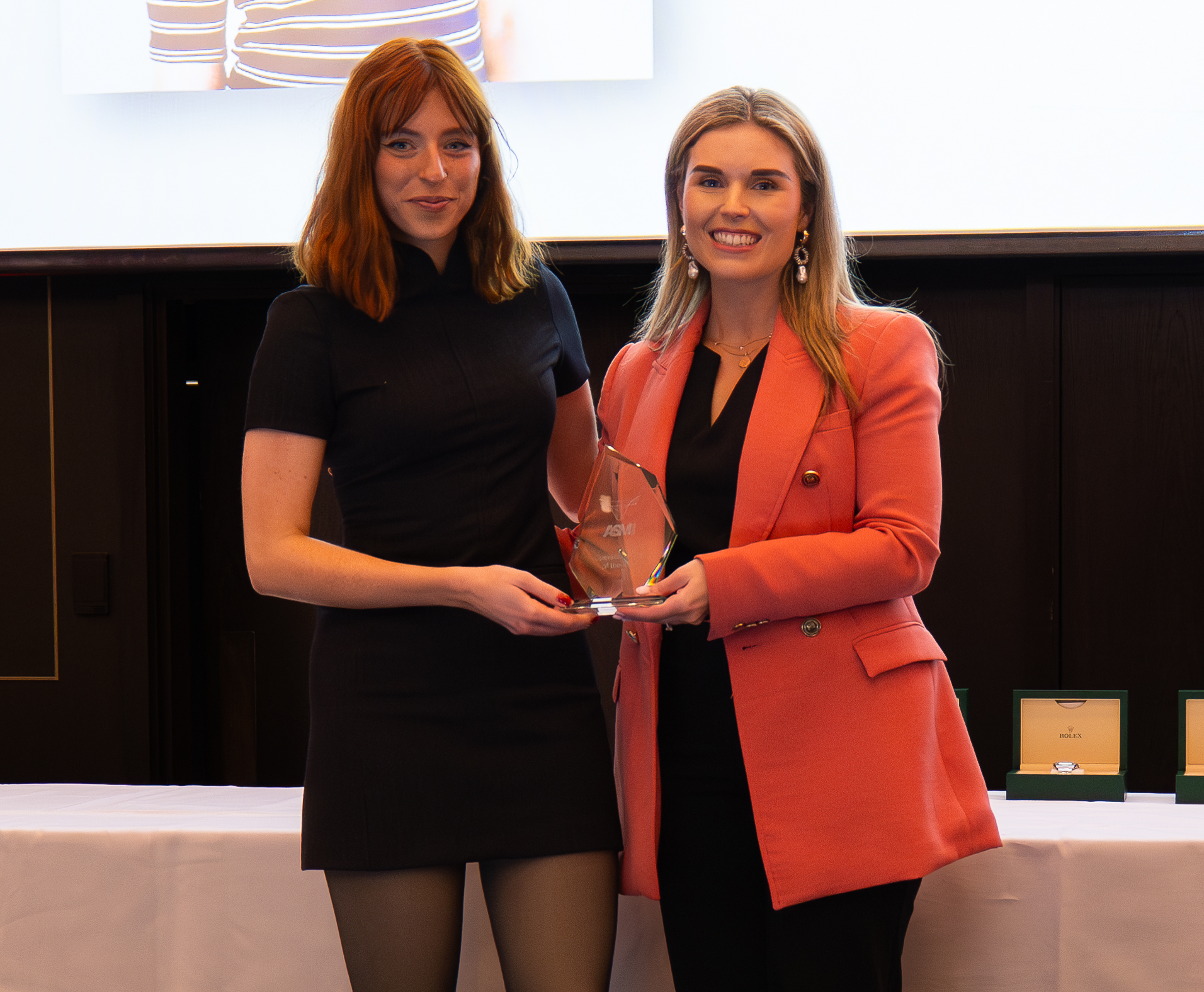
For this event, the awards were grouped into three clear themes: client impact, teamwork and individual contribution. This gave the evening a logical narrative and stopped the presentation becoming a sequence of unrelated categories. Short, well-written citations focused on specific actions and outcomes, rather than broad praise. That detail matters. It gives colleagues a reason to listen, even when the winner is not from their own department.
The event team also agreed that nominations and judging had to be settled well before invitations went out. A beautifully produced ceremony cannot repair a process that employees perceive as unclear or inconsistent. HR and People & Culture teams retained ownership of judging, while event planning focused on presenting the results with care.
The right room changed the energy
The venue needed to accommodate a seated dinner, a stage with good sightlines, a reception area and space for post-awards entertainment. A separate drinks reception was particularly useful: it allowed guests to arrive, reconnect and take photographs before the formal programme began, rather than entering straight into a ballroom and sitting down.
For groups of this size, round tables generally work well for an employee awards dinner. They encourage conversation and allow guests to see colleagues across the room, although production design must account for the inevitable sightline challenges. In this case, carefully positioned screens, a raised stage and a restrained table design helped ensure that guests at the back remained part of the moment.
Venue choice is never only about capacity. Ceiling height, load-in access, kitchen capability, curfew, bar location and the journey between reception and dinner all affect the guest experience and the production plan. A characterful historic venue can create immediate occasion, but may have tighter access or more restrictions. A contemporary space can offer technical flexibility, but may need more creative treatment to feel celebratory. It depends on the brand, the audience and the budget available for production.
Building a programme people would enjoy
The greatest risk with an awards night is programme fatigue. A dinner service that runs late, long speeches and too many categories can quickly reduce the energy in the room. The answer is not to rush recognition. It is to make every section purposeful and give guests a clear change of pace.
Guests arrived for a reception with a simple branded photo moment and relaxed background music. This created content for internal communications without forcing people into an elaborate activation. Once dinner began, a senior leader gave a concise welcome that set the tone and acknowledged the collective effort behind the business’s progress.
Awards were presented between courses in short blocks, rather than in one long session after dinner. This helped the catering team serve smoothly and kept anticipation high. A professional host maintained momentum, introduced each category consistently and gave presenters confidence on stage. For organisations without an obvious internal presenter, an experienced host is often money well spent. They can bring warmth, timing and authority without turning the evening into a television parody.
The final award was held back until after dessert, creating a natural high point before the transition to entertainment. Once the formal programme ended, the lighting changed, the band began and the room had a clear signal that it was time to celebrate.
Production supported the people, not the other way round
The production brief centred on clarity. Every winner needed to be seen, heard and photographed properly. That meant reliable stage lighting, clear walk-on music, confidence monitors for presenters and a well-rehearsed cueing plan between the show caller, AV team and catering manager.
Branding was used with restraint. The client’s visual identity appeared on stage screens, table stationery and the awards presentation, but the room was not covered in logos. Employees should feel they are attending a special occasion, not an internal sales conference.
Photography was planned around key moments: arrivals, team interactions, finalists, winners on stage and the post-awards celebration. A photographer who understands corporate events knows when to work discreetly during dinner and when to move quickly for a winner’s photograph. Those images have a longer life than the evening itself, particularly for internal news, recruitment content and leadership communications.
The logistics behind a relaxed evening
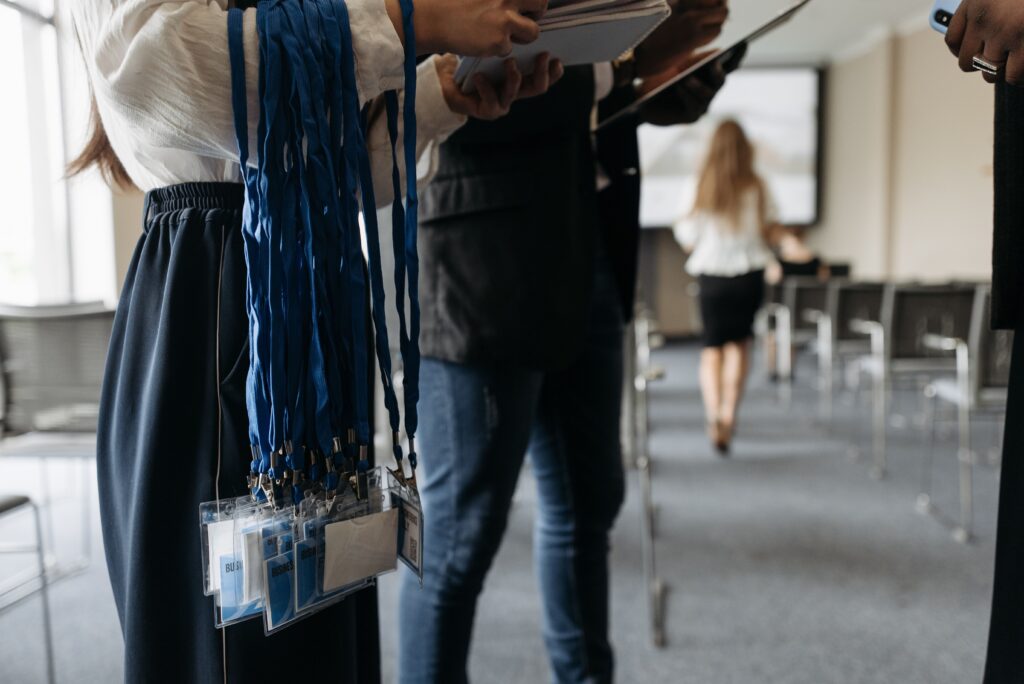
A calm guest experience usually comes from detailed preparation. Registration was simple, with guests welcomed by name and directed to a visible seating-plan display. Dietary requirements were consolidated with the venue in advance, while award winners and presenters received clear joining instructions without revealing results prematurely.
A full rehearsal took place before doors opened. This covered the order of awards, pronunciation of names, presenter movement, walk-on routes, videos, music cues and contingency plans. It is a small investment of time that prevents the familiar problems of a missing trophy, a presenter waiting in the wrong place or a winner being overlooked in low light.
The event also needed one person with authority to make decisions on the night. When several departments are involved, good intentions can create mixed instructions for the venue, production supplier and host. A single experienced point of contact keeps communication clean, manages changes and lets HR and leadership enjoy the event rather than troubleshoot it.
What made this employee awards event successful
The most positive feedback was not about the stage, the menu or the entertainment in isolation. Guests said the awards felt fair, personal and genuinely celebratory. Winners were given a moment they could enjoy, while colleagues felt connected to the achievements being recognised.
That outcome came from decisions made early: a clear purpose, a venue designed around the flow of the evening, concise award citations and a realistic production schedule. It also came from accepting a few trade-offs. More award categories may include more people, but they can make the ceremony drag. A dramatic venue may reduce the need for extensive styling, but may require a more considered technical plan. A live band creates energy, but only works if the programme finishes at a sensible time.
For organisations planning an awards event, the useful question is not simply, “How do we make it impressive?” Ask what employees should feel when they return to work the following day. If the answer is valued, connected and proud, your event brief is in safe hands. The Event Book can support from complimentary venue sourcing through to full event management, giving your team one experienced point of contact from the first shortlist to the final guest departure.
If you are planning an employee awards event and need help with venue sourcing, production, entertainment, guest management or the wider event delivery, Send us your enquiry and tell us what you are planning.
Speak to a real person. Call us on 020 7523 5046 or email your event brief to events@theeventbook.uk. We respond within 2 hours, Monday to Friday, 9am-6pm.
FAQs
What is an employee awards event?
An employee awards event is a corporate celebration designed to recognise employees for achievements such as performance, teamwork, leadership, innovation, long service or individual contributions. It can include a reception, dinner, awards presentation and entertainment.
How do you plan a successful employee awards event?
A successful employee awards event starts with a clear purpose and fair recognition process. Important elements include choosing the right venue, creating a well-paced programme, preparing award citations, managing guest logistics, planning AV and production, and rehearsing the ceremony before guests arrive.
What type of venue is suitable for an employee awards ceremony?
The ideal venue should comfortably accommodate the guest numbers, seated dinner, stage, reception area, entertainment and production requirements. Location, sightlines, ceiling height, kitchen facilities, loading access, bar position and venue restrictions should also be considered.
How can you keep an employee awards event engaging?
Keep the programme concise and varied by presenting awards in short blocks, limiting long speeches and creating clear transitions between dinner, awards and entertainment. A professional host, well-planned production and meaningful award citations can also help maintain energy throughout the evening.
Why is production important for an employee awards event?
Good event production ensures that winners, presenters and key moments can be seen and heard clearly. Stage lighting, screens, walk-on music, microphones, confidence monitors and a coordinated cueing plan can make the ceremony feel professional without allowing production to overshadow the employees being recognised.
What makes an employee awards event successful?
A successful employee awards event makes employees feel valued, connected and genuinely recognised. Clear award criteria, thoughtful presentation, suitable venue planning, smooth logistics and an enjoyable programme all contribute to creating an event that people remember positively.