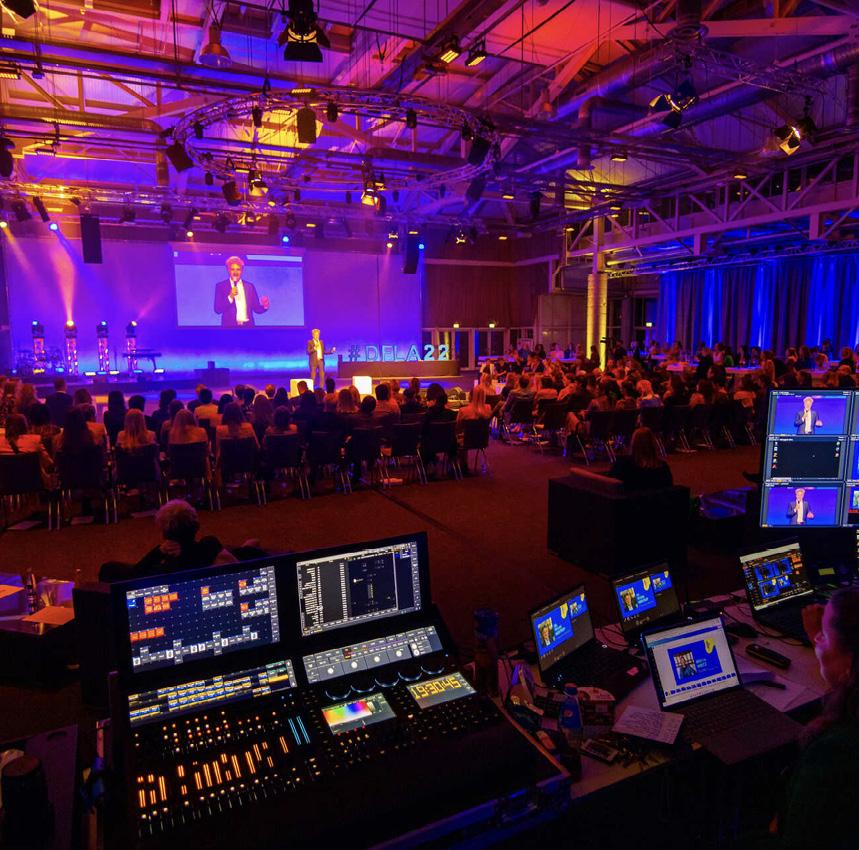
A proposal can look surprisingly simple: venue, food, drinks, entertainment, production, then an agency fee at the bottom. Yet event agency fees are often the part of the budget that attracts the most scrutiny, particularly when several internal stakeholders need to approve the spend. The useful question is not simply, ‘What is the fee?’ It is, ‘What work, accountability and risk does this fee remove from our team?’
For a corporate event, the answer can range from a few hours of venue research to months of planning, supplier management and on-site delivery. Understanding how fees are structured makes it far easier to compare proposals fairly and choose the right level of support.
Why event agency fees vary so much
No two event briefs carry the same workload. A 60-person dinner in a private room, where the venue handles food, drink and basic AV, is very different from a 300-person conference followed by a gala dinner, with registration, staging, branded content, speakers, entertainment, transport and accommodation.
Guest numbers matter, but complexity matters more. A smaller leadership off-site with sensitive delegates, multiple travel arrangements and an exacting programme may require more senior planning time than a larger, straightforward drinks reception. International events also bring added considerations, including local suppliers, currencies, language, travel schedules and contingency planning.
Timing changes the picture too. A corporate Christmas party in Central London booked well in advance gives an agency more venue choice and time to negotiate. A late brief for 200 guests in December may involve a much more intensive search, faster decision-making and a greater need to coordinate availability across several suppliers.
A credible proposal should make the scope clear. If one agency appears much cheaper, check whether it has included the same work, not just the same venue and menu.
The main ways event agency fees are charged
There is no single correct model. A good agency will explain its approach openly and recommend a structure that suits the brief.
Complimentary venue sourcing
Many agencies offer free venue finding when a client needs help identifying and booking a suitable space. This can be a valuable service, especially in London, where the right venue is rarely found by filtering capacity and price alone. Layout options, access times, minimum spends, production restrictions, exclusivity, location and the guest journey all need consideration.
At The Event Book, complimentary venue sourcing is available for corporate clients looking for tried-and-tested venues in London, across the UK and internationally. The agency is paid by the venue rather than the client for this introduction, so there is no separate sourcing charge.
It is worth being clear about the boundary. Venue sourcing generally covers researching suitable options, checking availability, arranging proposals and supporting the booking process. It does not automatically include managing entertainment, guest lists, branding, production schedules, transport or delivery on the day. Those services require a fuller management scope.
Fixed project fees
A fixed fee is agreed at the outset for a defined package of work. It is often the clearest option for a well-developed brief, such as an annual awards dinner, a conference with a known agenda, or an office Christmas party where the format and guest count are broadly confirmed.
The advantage is budget certainty. Your finance or procurement team knows the management cost early, while the agency has a clear remit. The trade-off is that substantial changes may need to be quoted separately. If the event evolves from a dinner for 150 into a conference, party and overnight stay for 300, the original scope will no longer reflect the work involved.
Percentage-based fees
Some agencies charge a percentage of the event spend, particularly where there are many suppliers or the final budget is still being developed. This model can work well for complex events because the coordination required tends to grow as the supplier base, production specification and financial exposure increase.
However, ask what spend is included in the calculation and whether the percentage is charged on VAT-inclusive or VAT-exclusive costs. You should also establish whether there is a minimum fee and how changes in the final event budget affect the agency charge.
Day rates and on-site staffing
Day rates are common for event-day support, site visits, rehearsals or short, focused pieces of work. They are useful where your in-house team is managing the project but needs experienced hands for registration, supplier coordination or show calling on the day.
For larger events, ensure the proposed staffing level reflects the reality of the programme. One event manager cannot be in the loading bay with production, at registration with delegates and backstage with speakers at the same time. Good planning includes the right people in the right places.
Retainers and ongoing support
A retainer can suit organisations with a steady programme of events, regular venue requirements or a lean internal events team. Instead of agreeing a fee for every individual brief, the client retains access to agency expertise for a set amount of time or activity each month.
This approach needs a particularly clear agreement on priorities, response times, unused hours and work outside the retainer. It can be highly efficient, but only when both sides understand how the partnership will operate.
What a full event management fee should cover
A full-service fee is not just payment for someone to make a few supplier calls. It reflects the work needed to turn an approved idea into a well-run event, while giving your internal team one experienced point of contact, one contract and one invoice.
The exact inclusions should be set out in the proposal, but they often cover planning meetings, budget management, venue liaison, supplier sourcing and contracting, catering coordination, entertainment, AV and production planning, event schedules, guest communications, accommodation and transport arrangements, health and safety considerations, and on-site management.
For a conference, this may also include speaker logistics, delegate registration, stage management and detailed run sheets. For a company away day, it may involve activity timings, weather plans, coach movements and welfare considerations. For a gala dinner, the focus may be table plans, menu tastings, show production, awards content and the transition from reception to dinner and entertainment.
The most valuable part is often less visible. It is the person who spots that the venue’s access time is too late for the planned set build, notices that a dietary list does not match the final attendance, or ensures that a keynote speaker has reached the holding room before the opening video rolls. These details protect both the guest experience and your team’s reputation.
How to compare agency proposals properly
Comparing the headline fee alone can create a false economy. Ask each agency to show what is included, what is excluded and which assumptions have been made. A transparent proposal will distinguish third-party costs, such as the venue or production supplier, from the agency’s management charge.
Check whether supplier commissions, mark-ups or rebates apply, and how these are treated. There is nothing inherently wrong with an agency earning commission, provided the arrangement is disclosed and the overall cost remains clear. What matters is that you understand who is paying whom, what has been negotiated on your behalf and whether the agency is free to recommend the best-fit supplier rather than only a preferred option.
You should also ask about payment schedules, cancellation terms and contingency. Events involve commitments made months ahead, and venues or suppliers may require deposits that are non-refundable. An experienced agency will explain those risks before contracts are signed, not after a change of plan.
Finally, assess the seniority of the people who will actually manage the event. A polished pitch is useful, but the day-to-day contact, practical venue knowledge and calm decision-making under pressure are what clients remember.
When paying more is worthwhile
A lower fee can be sensible for a simple event with a capable in-house organiser and limited suppliers. Equally, a higher management fee can represent better value when it prevents expensive mistakes, reduces internal workload and gives a complex event the attention it needs.
For example, a production specification that is designed properly from the start can avoid last-minute equipment hire. A venue recommendation based on real operational knowledge can prevent awkward room changes or restricted access. Strong supplier relationships may also help secure options that are difficult to find through a general online search.
The aim is not to pay for activity you do not need. It is to invest in the level of support that lets your team focus on guests, content and business objectives, confident that the practical detail is being handled.
If you are comparing event agency fees for an upcoming conference, party, away day or client event, a clear brief can help you understand what support you actually need and how the budget can be used effectively. Send us your enquiry.
Speak to a real person. Call us on 020 7523 5046 or email your event brief to events@theeventbook.uk. We respond within 2 hours, Monday to Friday, 9am-6pm.
FAQs
How much do event agency fees cost?
Event agency fees vary depending on the event’s size, complexity, timing, suppliers and level of support required. Fees can be structured as complimentary venue sourcing, fixed project fees, percentage-based fees, day rates or retainers.
What does an event agency fee include?
A full-service event management fee can include planning meetings, budget management, venue liaison, supplier sourcing and contracting, catering, entertainment, AV and production, guest communications, accommodation, transport and on-site management.
Is venue finding free?
Many agencies offer complimentary venue finding. The Event Book provides complimentary venue sourcing for corporate clients, with the agency paid by the venue rather than the client, so there is no separate sourcing charge.
What is the difference between a fixed event management fee and a percentage fee?
A fixed fee is agreed for a defined scope of work, while a percentage-based fee is linked to event spend and can suit more complex events where the level of coordination increases with the supplier base and budget.
How should I compare event agency proposals?
Compare more than the headline fee. Check what is included and excluded, third-party costs, supplier commissions or mark-ups, payment schedules, cancellation terms, contingency and who will actually manage the event.
When is paying an event agency fee worthwhile?
A higher management fee can be worthwhile when it reduces internal workload, prevents costly mistakes and provides experienced coordination for complex events with multiple suppliers or a high-profile audience.