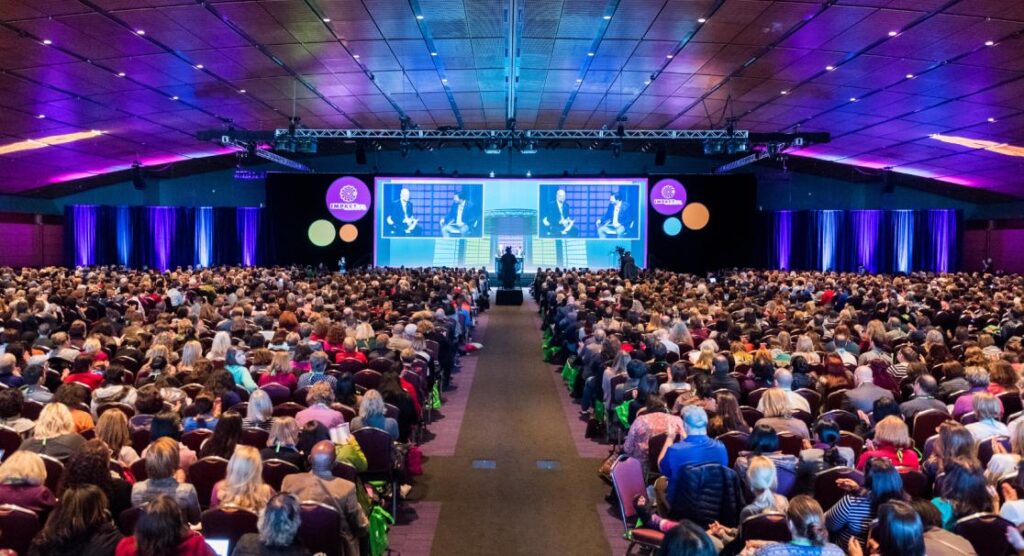
A 250-person conference can look manageable on a spreadsheet: a venue, catering, speakers and a few suppliers. The reality is that every decision affects another. A delayed delegate list changes rooming, dietary requirements, registration and transport. This is where the event agency versus internal team question becomes less about who can send an email and more about who has the time, experience and authority to protect the guest experience.
For many businesses, the right answer is not a strict choice. Your internal team knows the people, culture and commercial purpose behind the event. An experienced agency brings specialist capacity, supplier knowledge and a calm pair of hands when the moving parts multiply. The best model depends on the brief, the scale and what is already on your team’s desk.
Event agency versus internal team: the real difference
An internal HR, People & Culture, marketing or events team should lead the purpose of an event. They understand why a leadership conference matters now, what will land with employees, which clients need particular attention and how the event fits the wider business. That insight cannot be outsourced.
An agency’s value is in turning that purpose into a deliverable plan, then owning the operational detail. This might include shortlisting venues, negotiating terms, managing the production schedule, briefing caterers and entertainment, tracking budgets, coordinating guest communications and managing the event on site. For a London Christmas party, it may also mean knowing which Central London venues genuinely work for 150 guests at a £200-plus per-person budget, rather than simply having the stated capacity on paper.
The difference is often most visible in the weeks before an event. Internal teams are rightly pulled into approvals, stakeholder updates and their day-to-day roles. An agency is focused on the critical path: confirming final numbers, checking access times, resolving supplier questions and preparing contingencies. That dedicated attention reduces the chance that a small missed detail becomes a visible problem on the night.
When an internal team is the best choice
An internal team can run a smaller, familiar event very effectively, particularly where the format is repeatable and the venue relationship is already established. A breakfast briefing in your own office, a modest team social or an annual meeting with a known agenda may not need full event management.
Keeping delivery in-house can also give a sense of close control. Decisions can be made quickly, brand messages remain tightly managed and there is no handover period. This works best when the organiser has protected time, clear budget ownership and enough experience to assess contracts, production requirements and supplier proposals with confidence.
The risk is not a lack of capability. It is capacity. A talented office manager or marketing executive may be perfectly able to organise a summer party, but that does not mean they should be responsible for venue negotiations, rain plans, staging, guest transport and supplier arrivals while also doing their main job. If the event is high-profile, a missed detail can place unnecessary pressure on someone who has never been hired as an event producer.
There is also a procurement point to consider. Booking suppliers directly can appear less expensive at first, but it creates multiple contracts, payment schedules and points of contact. The internal organiser then becomes the person everyone calls when catering timings change or an AV supplier needs a decision.
When an agency earns its place
An event agency is particularly useful when the brief has several specialist elements or when failure would be highly visible. Think conferences with multiple breakouts, gala dinners, awards evenings, client hospitality, international incentive trips and office Christmas parties with a substantial guest list. These are not impossible to run internally, but they demand a level of coordination that can quickly outgrow one person’s available time.
Venue sourcing is a good example. Finding a space is straightforward; finding the right space is more complex. A venue needs to work for the guest journey, timings, production, catering style, accessibility, branding opportunities and budget. For a drinks reception followed by dinner and dancing, the flow between rooms matters as much as the room capacity. A venue that feels impressive for 80 can feel underpowered for 250, while a beautiful historic building may bring access restrictions that need careful production planning.
Agencies also bring a network that has been tested in live event conditions. This does not mean choosing suppliers without scrutiny. It means knowing which production partner is right for a high-specification conference, which caterer can serve at pace, and which entertainment will suit a mixed corporate audience. Strong relationships can improve communication when timings are tight and help avoid suppliers being selected on price alone.
For clients, an agency can simplify administration too. One experienced point of contact, one contract and one invoice brings useful clarity, especially where a finance or procurement team needs oversight. The Event Book also offers complimentary venue sourcing, which is often a sensible first step if you need to establish what is possible before committing to a wider management programme.
Compare the cost properly
The cost comparison is rarely as simple as agency fee versus no agency fee. Internal time has a value, particularly when senior stakeholders, EAs, HR managers or marketing colleagues spend days chasing confirmations and solving last-minute issues. There is also the cost of a poor decision: a venue with restrictive load-in times, insufficient cloakroom space, an inadequate AV specification or catering that cannot serve a large room efficiently.
An agency should be transparent about what is included and where additional costs may arise. Ask whether venue sourcing, supplier management, delegate management, creative development, on-site staffing and post-event reconciliation are included in the proposal. Clarify the event management fee, payment terms, cancellation exposure and contingency budget from the outset.
Internal delivery may remain the better-value route for a straightforward event with a small budget. For a complex event, however, the agency fee can be an investment in better control, less internal disruption and a stronger outcome. The question is whether the level of support matches the risk and ambition of the brief.
A hybrid model often works best
The strongest corporate events are usually collaborative. Your internal team sets the objectives, approves the budget, supplies the brand context and makes the key stakeholder decisions. The agency builds the delivery plan, manages specialist suppliers and keeps everything moving to deadline.
This approach is particularly effective for businesses with an in-house event manager who needs additional capacity for a major conference, a leadership off-site or a large corporate Christmas party. It allows the internal team to stay visible and in control without being consumed by operational detail. It is also a practical model for international companies planning a London event, where local venue knowledge and on-the-ground support make a real difference.
Questions to ask before deciding
Start with the consequences of getting it wrong. If the event is a key employee moment, a client-facing occasion or a senior leadership platform, it deserves an appropriate level of support. Then assess the complexity honestly: multiple rooms, a guest list above 100, production, entertainment, overnight accommodation, transport, branded environments and dietary management all add operational weight.
Ask who will be available during the final fortnight and on the event day itself. Consider whether they are empowered to make decisions under pressure. Finally, look at the event’s purpose. If it needs a distinctive creative idea, a difficult-to-find venue or an experience that reflects a global brand, external expertise may give the brief more range.
If you are weighing up event agency versus internal team delivery for a forthcoming corporate event, Send us your enquiry, speak to a real person at The Event Book on 020 7523 5046, or email your event brief to events@theeventbook.uk. We respond within two hours, Monday to Friday, 9am to 6pm, and can advise on venue options or the level of event management support that makes sense.
The aim is not to hand away ownership of your event. It is to give the right people the right responsibilities, so your guests experience an occasion that feels considered, confident and genuinely worth their time.
FAQs
Should I use an event agency or manage an event internally?
It depends on the event’s scale, complexity, available internal capacity, experience and the level of support required. The article explains that both approaches can work depending on the brief.
What are the benefits of using an internal event team?
An internal team understands the company’s culture, stakeholders, business objectives and brand requirements, and can retain close control over decisions and messaging.
When should I hire an event agency?
An agency can be useful when an event involves multiple suppliers, complex production, large guest numbers, tight deadlines, international logistics or a high-profile audience.
Is using an event agency more expensive than managing an event internally?
Not necessarily. The comparison should include the agency fee as well as internal staff time, supplier costs, operational risks and the potential cost of mistakes or missed details.
Can an internal team and event agency work together
Yes. A hybrid model can allow the internal team to control objectives, budget, brand and key decisions while the agency manages operational planning, specialist suppliers and delivery.
Can an event agency help with venue finding without managing the whole event?
Yes. The Event Book offers complimentary venue sourcing, which can be used as a first step before deciding whether additional event management support is needed.
Speak to a real person. Call us on 020 7523 5046 or email your event brief to events@theeventbook.uk. We respond within 2 hours, Monday to Friday, 9am-6pm.