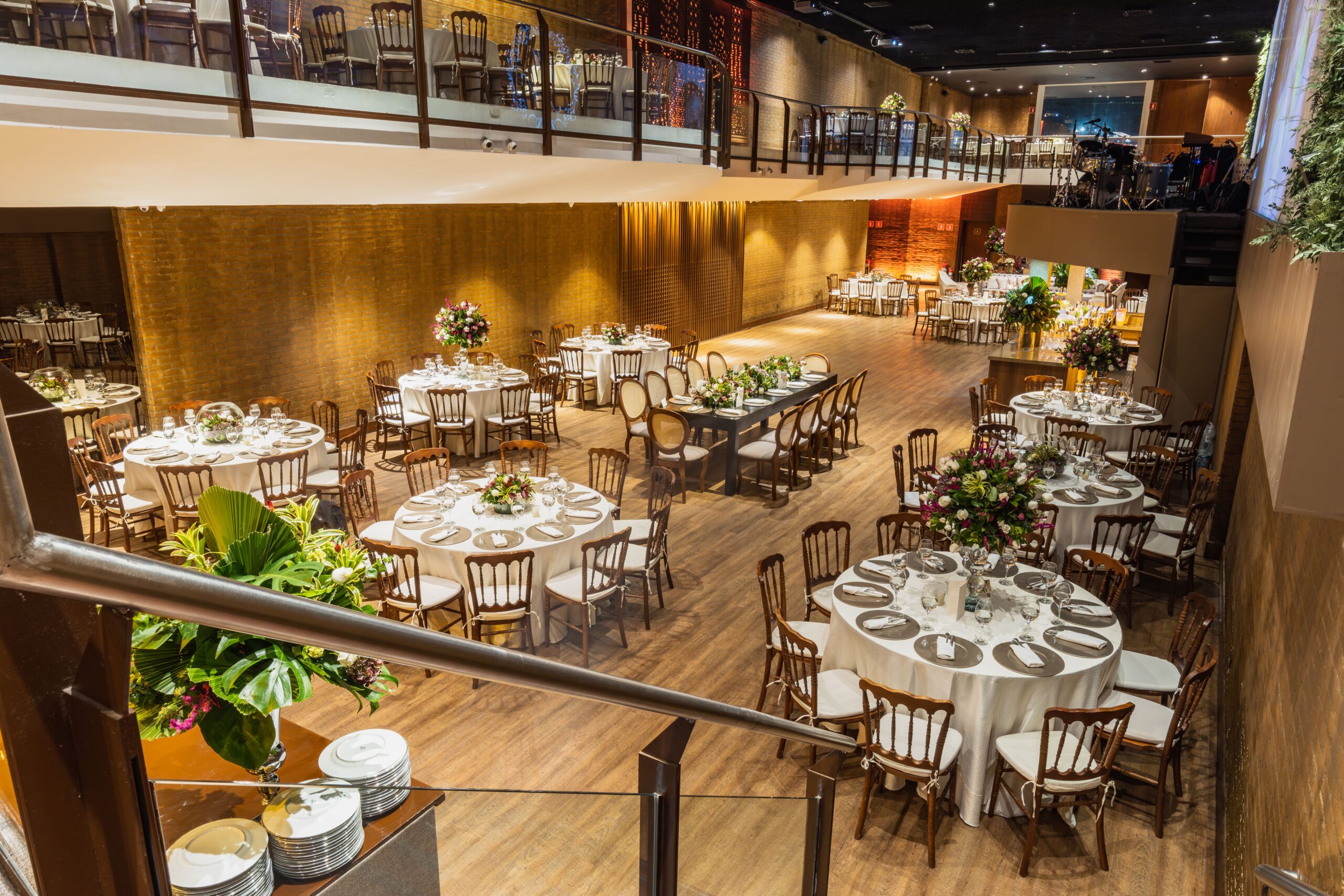
A venue that appears to cost £5,000 can become a £15,000 commitment once catering, production, staffing and VAT are included. Equally, a higher room-hire figure may represent better value when it includes furniture, basic AV, security or a more workable event schedule. If you are asking how much do venues cost, the useful answer is not one number. It is a clear view of what is included, what is required to make the event work, and where the budget can move.
For corporate events in London, across the UK and internationally, venue costs vary significantly by date, guest numbers, location, format and the level of exclusivity required. The right venue should support the purpose of your event as well as the budget – whether you are arranging private dining for 25, a leadership meeting, a conference, exhibition or a large corporate Christmas party.
How much do venues cost in London?
London venue hire can range from a few hundred pounds for a small meeting space to tens of thousands for exclusive use of a landmark venue, hotel or large-scale conference setting. For most corporate planners, the more relevant measure is the total cost per guest or total event spend rather than the headline hire fee alone.
A daytime meeting room may be offered on a day delegate rate, often including room hire, tea and coffee, lunch, basic stationery and AV equipment. Depending on the venue, location and standard of catering, this can range from around £75 to £250 or more per person, excluding VAT. Central London hotels and premium venues often sit towards the higher end, particularly on busy midweek dates.
Private dining rooms may have no separate hire charge but require a minimum food and beverage spend. A restaurant might set a minimum spend of £2,000 for a smaller room, while exclusive spaces and peak December dates can require £10,000 or substantially more. This arrangement can work well when the guest experience is centred on food and drink, but it is worth checking whether service charge, room styling, entertainment and any technical requirements sit outside that minimum.
For conferences, costs are shaped by theatre capacity, breakout rooms, registration areas, exhibition space, stage design, screens, sound, lighting and crew. A venue-only budget might start at several thousand pounds, but a polished conference for a few hundred guests can quickly move into a five-figure investment once production and catering are accounted for.
The costs behind the venue quote
A good venue proposal should make clear what is included, but comparisons are rarely identical. One venue may include tables, chairs and a basic screen, while another charges separately for each element. A historic building may have a competitive hire fee but need more time, technical planning and temporary infrastructure than a purpose-built conference venue.
The main costs to review are room hire or minimum spend, catering, drinks, staffing, AV and production, security, cloakroom, cleaning, furniture, branding, Wi-Fi, power, loading access and VAT. Some venues also apply a discretionary or mandatory service charge. For an evening event, ask about bar arrangements, entertainment restrictions, late licences and whether there is a charge for extending the event beyond the contracted finish time.
It is also sensible to check the cost of the event’s practical requirements rather than treating them as secondary details. A venue may look excellent online, but restricted access for suppliers, a small goods lift, limited rigging points or an early noise curfew can affect both the guest experience and the final budget.
Minimum spend versus venue hire
Minimum spend can be good value if you were already planning to provide food and drinks at that level. It is less attractive if the figure forces you to overspend on catering or if key items do not count towards it. Always ask what qualifies, whether service charge and VAT are additional, and what happens if actual spend falls short.
A separate hire fee gives more freedom to choose catering and suppliers in some venues. However, external caterers, corkage, kitchen use, furniture and staffing can add up. There is no universally better model – it depends on the event format, the guest profile and how much control you need.
What changes the price most?
Date is often one of the biggest factors. Tuesdays to Thursdays are typically the busiest days for corporate events, while December is particularly competitive for office Christmas parties London-wide. A Friday, Monday, January date or summer evening may offer more choice, although this varies by venue and event season.
Location matters too. Central London Christmas party venues, particularly those in Covent Garden, Westminster, Mayfair, Soho and the City, carry a premium because of access, demand and guest appeal. A venue slightly outside the traditional centre can offer more space or stronger value, but transport links and journey times still need to suit the audience.
Guest numbers can work both ways. A larger group may secure better per-person catering rates, yet it may also require exclusive use, additional security, more toilets, a larger production package and extra staffing. For corporate Christmas parties London clients planning for 150 guests or more, a budget of £200-plus per person is often a realistic starting point for a well-located venue, good food and drink, entertainment and a considered level of production. It is not a fixed rule, but it helps establish a brief that venues can respond to properly.
The duration and format of the event are equally important. A drinks reception followed by dinner has different requirements from a full-day conference with breakouts, or a product launch needing complex branding and content. A venue that works beautifully for one may be unsuitable or expensive for the other.
How to set a realistic venue budget
Start with the outcome. Are you looking to reward a team, bring clients together, share business updates, generate leads or host an international audience? This determines the right balance between location, style, capacity and spend.
Then set a total working budget before dividing it into venue, food and drink, production, entertainment and contingency. Keeping 10 to 15 per cent aside for changes is prudent, especially where attendee numbers, content or technical specifications are still developing. For larger events, this contingency can prevent last-minute decisions from becoming expensive compromises.
Your initial brief should include the date or date range, guest numbers, event timings, location preferences, budget, layout, catering requirements, accessibility needs and any non-negotiables. If you need bedrooms, exhibition space, green rooms, strong branding opportunities or a late finish, say so early. These points can rule venues in or out before anyone spends time on a site visit.
A free way to compare suitable venue options
Contacting dozens of venues individually is rarely the best use of an EA’s, HR team’s or event manager’s time. Availability changes quickly, and a quote without context does not show whether a venue can handle your event logistics, supplier access or preferred layout.
The Event Book provides a completely free venue-finding service for clients in London, across the UK and internationally. A real person responds to every enquiry. You will speak directly with an experienced event professional who understands the brief, asks useful questions and contacts relevant venues on your behalf.
With more than 20 years of venue-finding experience and direct relationships with London and international venues, our team checks availability, gathers indicative costs and presents a focused shortlist of preferred options. We aim to provide this within two working hours of receiving a complete brief, although timing depends on venue responses and the complexity of the enquiry.
We also explain the practical differences between options: which venue has the better breakout flow, where catering will work best, what is included in the hire, and which choices may affect the final spend. Our relationships can help us negotiate rates where appropriate, but we will never suggest that the lowest headline price is automatically the best choice.
Clients can use our free venue sourcing service on its own or ask us to manage the full event, from catering and entertainment to AV, production, guest management and onsite delivery. That can mean one experienced point of contact, one contract and one invoice for a complex event.
Get a clearer answer for your event
Send us your complete brief and we aim to provide a shortlist of preferred options, availability and indicative costs. Speak to a real person. Call us on 020 7523 5046 or email your event brief to events@theeventbook.uk. We respond within 2 hours, Monday to Friday, 9am-6pm.
The most useful venue budget is one that gives your guests the right experience without leaving surprises in the final invoice.
FAQs
How much does it cost to hire an event venue?
Venue hire costs vary depending on the location, event date, guest numbers, venue type, facilities and services required. Requesting a tailored quotation is the best way to understand the total cost.
What factors affect venue hire prices?
Factors include location, capacity, popularity, day of the week, season, hire duration, room layout, catering facilities and any additional services included in the booking.
What is usually included in a venue hire price?
This varies between venues. Some quotes include furniture, basic equipment, staffing or catering, while others charge separately for these services. Always check what the quoted price covers.
Are venue hire costs higher in London?
Venue prices can vary significantly across London and depend on location, venue type, demand, capacity and facilities. Compare proposals based on the total package rather than location alone.
How can I reduce corporate event venue costs?
Consider flexible dates, suitable alternative locations, realistic guest numbers and venues that already provide the facilities you need. Compare complete quotations and check for additional charges before booking.
What information do I need to get an accurate venue hire quote?
Provide the event date, guest numbers, location preference, event format, hire duration, seating layout, catering requirements and AV needs. A detailed brief helps venues prepare more relevant quotations.