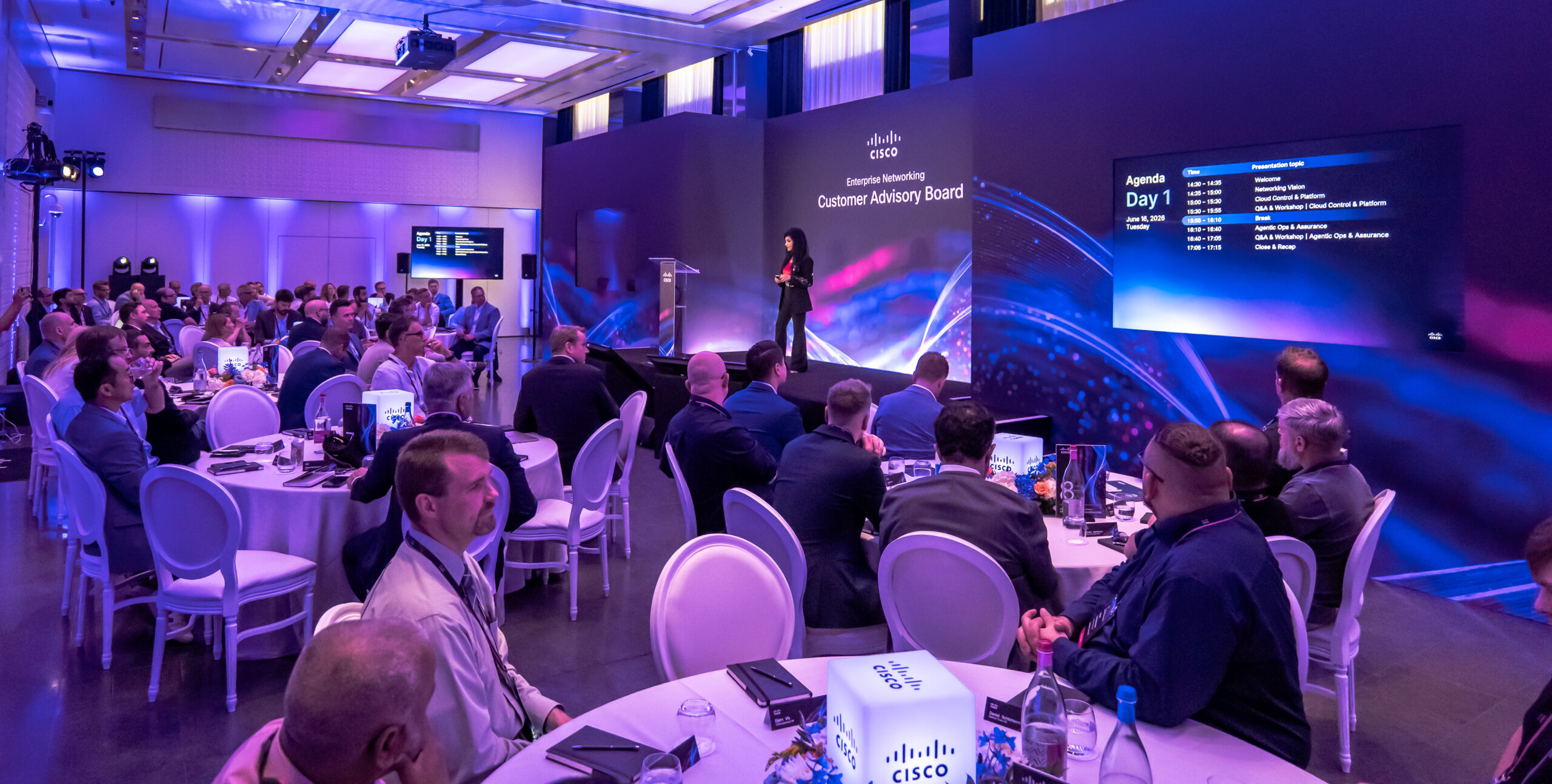
A successful event is about more than simply filling a room. While attendance is important, it is only one part of the overall picture. An event can attract hundreds of attendees and still fail to achieve its objectives. On the other hand, a smaller event may generate valuable leads, strengthen relationships, and deliver an excellent return on investment.
Whether you’re organising a corporate conference, exhibition, product launch, or networking event in London or internationally, understanding what worked well and what could be improved is essential. Measuring event success allows businesses to make informed decisions and deliver even better events in the future.
The most successful event planners build success metrics into the planning process from the very beginning. By defining clear objectives and tracking the right data, businesses can accurately evaluate event performance.
Start with Clear Objectives
Before measuring any results, you first need to understand why the event is taking place.
Different events have different objectives. For example:
- A conference may focus on educating attendees.
- A product launch may aim to increase brand awareness.
- A brand activation may prioritise audience engagement.
- A networking event may focus on building professional relationships.
- An exhibition may be designed to generate qualified leads.
Setting clear Key Performance Indicators (KPIs) before planning begins makes it much easier to evaluate success afterwards.
Ask yourself:
- What is the purpose of the event?
- Who is the target audience?
- What action do we want attendees to take after the event?
Measure Attendance, Not Just Numbers
Attendance is one of the most common event metrics, but it does not tell the whole story.
Instead, consider questions such as:
- How many people registered?
- How many attendees actually attended?
- What was the attendance rate?
- Which audience segments were represented?
- Did the event attract the right people?
A conference with 500 highly relevant attendees may provide more value than an event with 2,000 attendees who have little interest in the content.
Measure Audience Engagement
Audience engagement is one of the strongest indicators of event success. Attendees who actively participate are more likely to remember the event and connect with your brand.
Useful engagement metrics include:
Session Participation
Track attendance across individual sessions to identify which topics generated the greatest interest.
Audience Questions
Monitor the number of audience questions during presentations and panel discussions, as this often reflects attendee interest and engagement.
Event App Activity
Many event platforms provide valuable insights into attendee behaviour, interactions, and participation levels.
Polls and Surveys
Live polls and interactive surveys help measure audience participation throughout the event.
Networking Participation
Monitor attendance at networking sessions, discussion groups, workshops, and interactive activities.
Measure Lead Generation Performance
For many corporate events, lead generation is a primary objective, particularly for:
- Exhibitions
- Trade shows
- Product launches
- Brand activations
- Industry conferences
Useful lead generation metrics include:
- Number of leads collected
- Qualified leads generated
- Meetings scheduled
- Product demonstrations requested
- Follow-up conversations initiated
- Sales opportunities created
Measure Attendee Satisfaction
One of the simplest ways to evaluate event success is to ask attendees directly.
Post-event surveys provide valuable insights into both strengths and areas for improvement.
Useful areas to measure include:
- Content quality
- Speaker effectiveness
- Venue experience
- Networking opportunities
- Registration process
- Event organisation
- Overall satisfaction
Keep surveys short, relevant, and easy to complete to encourage higher response rates.
Track Brand Awareness and Visibility
Many corporate events are designed to increase brand awareness and visibility. Although this can be difficult to measure directly, several metrics provide valuable insights.
These include:
Social Media Reach
Monitor impressions, shares, comments, mentions, and engagement across social media platforms.
Event Hashtag Performance
Track the use of branded hashtags before, during, and after the event.
Website Traffic
An increase in website traffic following the event often indicates growing audience interest.
Media Coverage
Monitor press coverage, interviews, industry publications, and online articles mentioning your event.
Brand Mentions
Track how frequently your business or brand is mentioned across digital platforms.
Measure Content Performance
Content often represents one of the largest investments in a corporate event, making it important to evaluate its effectiveness.
Useful content metrics include:
- Session attendance
- Audience retention
- Q&A participation
- Survey feedback
- Speaker ratings
- Content downloads
- Video views
These insights help identify which topics resonate most with attendees.
Measure Financial Performance
Understanding the financial performance of an event helps determine whether it delivered value for the business.
Key financial metrics include:
Revenue Generated
Track revenue directly associated with the event.
Sponsorship Income
Measure sponsorship revenue and evaluate sponsor participation.
Cost Per Attendee
Calculate the total event cost divided by the number of attendees.
Cost Per Lead
Determine how much it costs to generate each qualified lead.
Budget Performance
Compare actual expenditure with the original event budget.
Calculate Event ROI
One of the most important ways to measure event success is by calculating Return on Investment (ROI).
The basic formula is:
ROI = (Event Value − Event Cost) ÷ Event Cost × 100
For example:
If an event costs £20,000 and generates £60,000 in business opportunities:
(£60,000 − £20,000) ÷ £20,000 × 100 = 200% ROI
Some results, such as revenue, are easy to quantify. Others, including brand awareness, customer relationships, and reputation, require broader evaluation.
Benchmark Against Previous Events
Performance becomes more meaningful when compared with previous events.
Ask yourself:
- Did attendance increase?
- Was audience engagement higher?
- Did lead quality improve?
- Was attendee satisfaction stronger?
- Did ROI exceed previous events?
Tracking results over time helps businesses identify trends, improve planning, and achieve better outcomes.
Final Thoughts
A successful event is not defined by attendance alone. It is measured by how effectively it achieves its objectives, delivers valuable attendee experiences, generates business results, and provides insights for future improvements.
Whether you’re organising a conference, product launch, exhibition, or brand activation in London or internationally, measuring event success is essential to understanding the true impact of your investment.
By tracking the right metrics and analysing the results, businesses can continuously improve their events and deliver even greater value in the future.
FAQs
Is attendance the most important event metric?
No. Attendance alone does not tell the full story. Businesses should also evaluate audience engagement, lead quality, attendee satisfaction, ROI, and overall business outcomes.
How do you measure attendee engagement?
Audience engagement can be measured through session participation, audience questions, event app activity, networking involvement, live polls, and post-event surveys.
What is a good event ROI?
A good ROI varies depending on the event’s objectives and industry. In general, a successful event delivers value that exceeds its overall costs while supporting wider business goals.
Why should businesses measure event success?
Measuring event success helps businesses understand what worked well, identify areas for improvement, demonstrate return on investment, and make better decisions when planning future events.