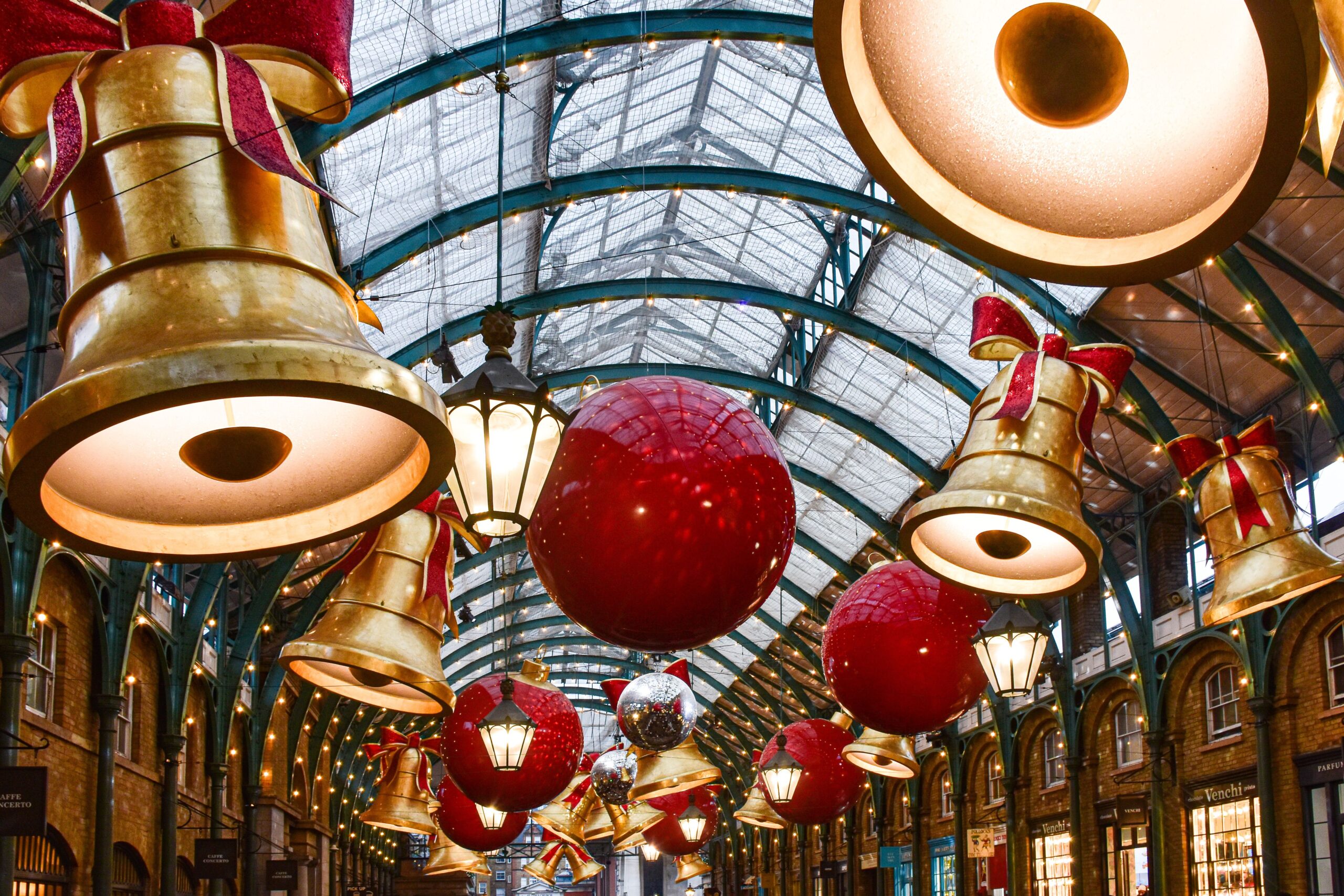
A large Christmas party is rarely difficult because of the guest list alone. The challenge is creating an occasion that feels considered and sociable for every guest, while moving hundreds or thousands of people through arrival, food, entertainment and departure without friction. When searching for large Christmas party venues in London, capacity is only the starting point.
For corporate teams, the right venue needs to support the purpose behind the celebration. It may be a thank you after a demanding year, an opportunity to bring together departments that rarely meet, or a client-facing occasion where the brand needs to be felt in every detail. The best decision comes from matching the venue to the guest experience, not simply booking the biggest available room.
What ‘large’ should mean for your event
A venue’s stated capacity can be misleading. A space that holds 1,000 people for a standing reception may be uncomfortable for 700 guests at a formal dinner with a stage, dance floor, bars and entertainment. Equally, a building with an impressive headline capacity may have restrictive access, low ceilings, limited loading arrangements or a layout that divides the room in unhelpful ways.
Start with your format. A drinks-led party with food stations can accommodate a higher density and encourages guests to circulate. A seated awards dinner requires generous table spacing, clear sightlines and enough room for service staff to work efficiently. A party built around live music or a headline act needs a stage position, suitable power, sound control and a guest area that still feels connected to the performance.
It is also worth considering peak occupancy rather than total invitations. Not every guest will arrive at the same time, and some may attend only the reception or leave before the final set. That said, December travel, office schedules and compulsory attendance expectations can make numbers less predictable. Plan against a realistic high-attendance scenario, with a sensible contingency rather than a room that is already at its limit on paper.
How to shortlist large Christmas party venues in London
A good shortlist is usually built around the guest journey. Before comparing venue brochures, agree what guests should see, feel and do from the moment they arrive. This gives your team a clear framework for assessing spaces that may look very different but could each work brilliantly.
Make arrival feel organised, not crowded
Large parties often succeed or fail in the first 20 minutes. Consider the number of entrance points, cloakroom capacity, security requirements and the space available for registration or ticket checking. If guests are arriving from several offices, stations or hotels, check where coaches and taxis can set down safely and whether the route into the venue is straightforward in winter weather.
A strong arrival sequence can include branded welcome points, roaming hosts, a drinks reception and clear wayfinding. It should not require guests to queue in the cold while the room inside is still being reset. For an event with senior guests, clients or international visitors, this operational detail has a direct effect on how polished the whole evening feels.
Test the room for flow
Walk the space with food, bars, entertainment and furniture in mind. Guests need room to collect a drink, catch up with colleagues, find their table and reach the dance floor without creating bottlenecks. If the party includes a themed installation, photo moment, casino tables or interactive entertainment, these elements should add energy rather than block circulation.
Look closely at mezzanines, side rooms and outdoor terraces. They can be useful for quieter conversations, VIP hosting or a change of pace, but they can also pull people away from the main atmosphere. It depends on whether the event is designed as one shared experience or several distinct moments across the venue.
Protect the dining and performance experience
For a dinner, every table should have a reasonable view of the stage or screens. This matters particularly for speeches, awards and live entertainment. Large venues may need additional screens, delayed-repeat monitors or a carefully designed stage position so that guests at the rear do not feel like spectators at a separate event.
Ask about kitchen capacity and service timing too. Serving 800 meals is not simply a larger version of serving 80. The caterer needs appropriate back-of-house space, staffing levels, menu choices that hold well in service, and a detailed plan for dietary requirements. A beautifully designed menu is of little value if half the room is waiting while the other half has finished.
Choose a venue type that suits the brief
London offers extraordinary scale, but venue character should be as important as square footage. A purpose-built event space can offer efficient production access, adaptable layouts and fewer restrictions, making it a sensible choice for a high-energy party with extensive staging. Historic halls and landmark buildings bring instant occasion and visual impact, though they may have conservation rules, restricted rigging points or tighter loading schedules.
Museums, galleries and cultural venues are particularly effective for a premium reception or dinner where the setting itself creates conversation. They often require careful planning around public access, collection protection and supplier approval. Meanwhile, large warehouses and industrial spaces provide a blank canvas for a full transformation, from an après-ski lodge to a futuristic nightclub. They can be creatively rewarding, but require a more substantial investment in lighting, heating, furniture, power and guest infrastructure.
Hotels can work well where accommodation, late arrivals and a straightforward all-in-one experience are priorities. However, confirm whether other Christmas parties will be taking place in adjacent suites, how exclusive the entrance and reception areas will feel, and whether your branding can be visible beyond the ballroom.
There is no single best option. The right setting depends on whether your priority is spectacle, convenience, dining quality, flexibility, brand ownership or a balance of all five.
Questions that prevent expensive surprises
Venue availability in December moves quickly, so it is tempting to make a decision after a promising site visit. Before placing a hold, establish the full operational picture. Clarify the access window for build and breakdown, particularly if the concept involves bespoke scenery, a substantial AV package or multiple entertainment acts. A venue that is available from late afternoon may be perfectly suited to a drinks reception, but unsuitable for a transformed party requiring a full-day install.
Confirm the sound policy, finish time and any limits on bass levels, live bands or DJs. Ask which suppliers are mandatory or preferred, and whether there are fees for external caterers, production partners, security teams or corkage. These arrangements are not necessarily a problem, but they need to be reflected in the budget and creative plan from the outset.
It is equally important to understand accessibility. Step-free routes, accessible toilets, hearing support, seating options and quiet spaces should be considered as part of the core event design, not as a late addition. A welcoming celebration gives every guest a practical way to participate.
Finally, inspect the hidden areas: green rooms, production offices, staff catering, storage and loading bays. These spaces are where a complex event is delivered. When they are well planned, guests simply experience a brilliant party.
Give the venue a reason to feel like your party
Large rooms need atmosphere, but that does not mean filling every corner with décor. Strong production design uses lighting, sound, furniture and focal points to create a sense of scale with purpose. A bold entrance, a well-lit central bar, carefully positioned entertainment and a stage that anchors the room can make a vast venue feel lively and cohesive.
The most successful concepts also make room for genuine connection. Not everyone wants to dance from the first song to the last, so consider areas for conversation, informal games, experiential moments and quieter hospitality. The theme should support these choices rather than become a costume applied to everything.
For branded celebrations, this is where creative and operational planning need to work together. Brand elements should be visible at the moments that matter – arrival, photography, stage content and guest takeaways – without turning a festive evening into a sales presentation. The Event Book approaches venue selection alongside concept, production and guest logistics, so practical decisions support the experience from the first brief.
Build enough time into the decision
The most sought-after dates, especially Thursday and Friday evenings in December, are often secured well in advance. Greater flexibility on day of the week can open up stronger venue options, better commercial terms and a more relaxed guest experience. Wednesday, Tuesday and even daytime celebrations can be highly effective for teams with demanding travel schedules or varied shift patterns.
Once a venue is under consideration, bring the key stakeholders into the process early: budget owners, brand teams, senior hosts, facilities or security colleagues, and anyone responsible for accessibility or guest data. Aligning these requirements before contracts are signed avoids the familiar cycle of late changes that add cost and compromise the original idea.
The right large venue does more than contain a crowd. It gives people a reason to stay, talk, celebrate and remember how it felt to be part of the team. Start with that feeling, then let capacity, logistics and creative ambition guide the space that can deliver it.
FAQs
What should I consider when choosing large Christmas party venues in London?
Consider more than the venue’s stated capacity. Guest flow, arrival arrangements, dining layout, stage and entertainment space, accessibility, production access, catering facilities and transport should all fit the planned event format.
How early should I book a large Christmas party venue in London?
It is best to start early, particularly if you want a Thursday or Friday evening in December. Popular venues and dates can be secured well in advance, while early planning also gives more time for creative development, production and supplier coordination.
Can a venue’s capacity be lower than its advertised number?
Yes. A venue may hold a large number of guests for a standing reception but accommodate fewer people comfortably for a seated dinner with a stage, dance floor, bars and entertainment. Capacity should always be assessed against the actual event format.
What types of venues work well for large Christmas parties?
Purpose-built event spaces, historic halls, landmark buildings, museums, galleries, warehouses, industrial spaces and hotels can all work well. The right choice depends on priorities such as atmosphere, flexibility, production requirements, convenience, dining and brand experience.
What should I check before booking a Christmas party venue?
Check build and breakdown access, sound restrictions, finishing times, supplier requirements, catering arrangements, external supplier fees, accessibility, loading facilities, storage, production areas and any venue-specific restrictions.
How can I make a large Christmas party venue feel more personal?
Creative production can transform a large space through lighting, furniture, sound, focal points, entertainment and carefully positioned brand elements. A strong concept should create atmosphere while still leaving space for conversation and social interaction.