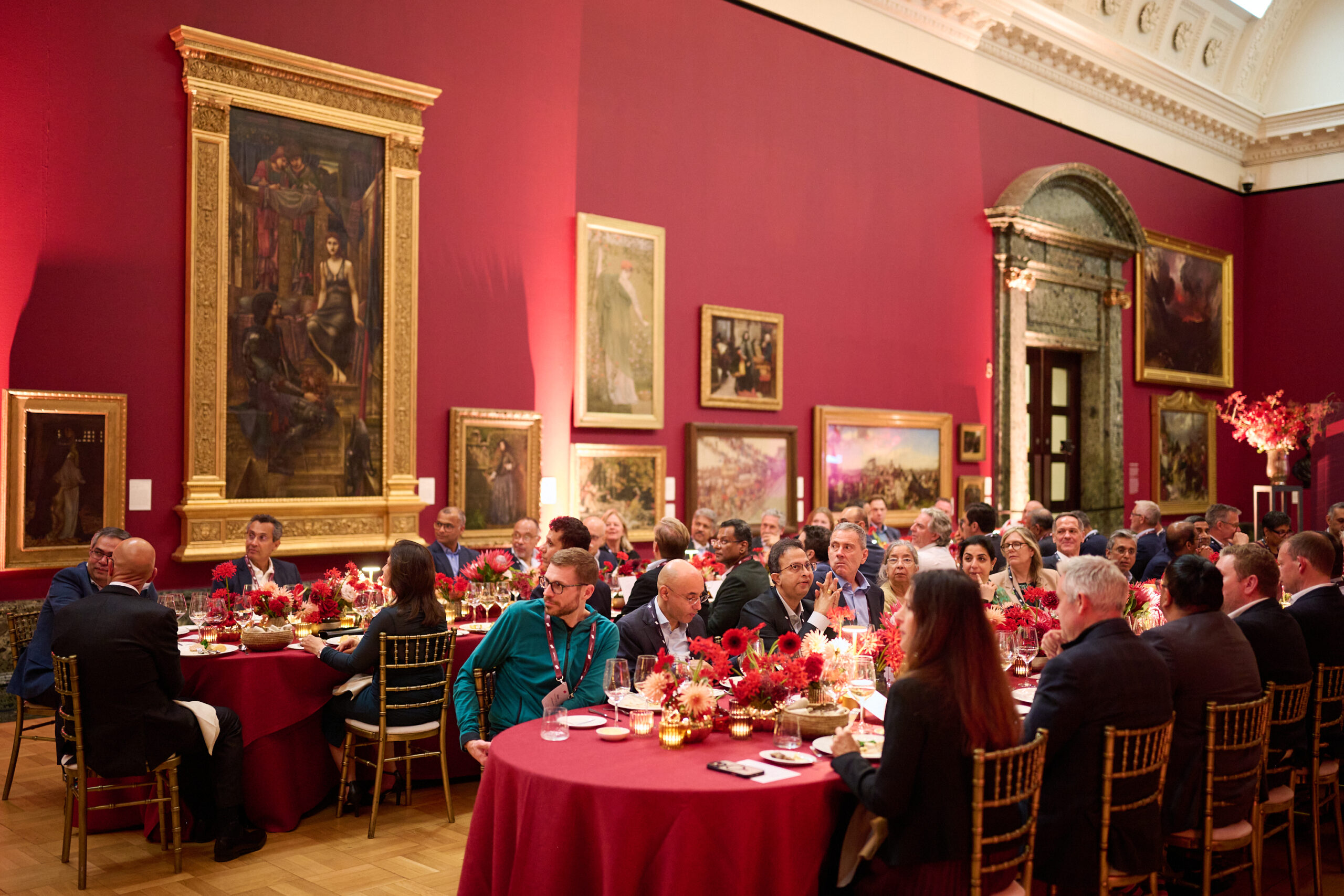
A corporate event can look straightforward on a planning sheet: choose a date, find a venue, invite guests and make it happen. The reality is usually rather different. Stakeholders want a clear commercial outcome, guests expect a considered experience, and the person leading the project is often balancing the event alongside a demanding day job. Choosing London’s best event agency to help with a corporate event is therefore less about finding the biggest supplier list and more about finding a partner that can take ownership of the detail without losing sight of the purpose.
For a leadership conference, that may mean building a programme that keeps a busy audience engaged while managing registration, speaker movement, production and catering timings. For a client dinner, it may be a discreet venue, excellent hosting and an atmosphere that gives the right people room to connect. For an employee celebration, it is often about making every attendee feel included, valued and properly looked after.
The right agency makes these moving parts feel manageable. More importantly, they ask the questions that turn an event request into a plan with a clear reason to exist.
What a corporate event agency should take off your desk
A full-service event partner should not simply pass on venue options and wait for instructions. They should begin by understanding what success looks like: stronger client relationships, clearer internal communication, a launch that earns attention, or a reward experience that people talk about for the right reasons.
That conversation shapes every decision that follows. Guest profile affects the venue. Objectives affect the format. Budget affects where to invest, whether that is a more ambitious production moment, better food and drink, accessible travel arrangements or an event platform that makes registration and communications easier.
From there, an experienced agency can manage venue sourcing, creative development, supplier contracting, guest registration, accommodation, travel, entertainment, AV, staging, catering, run sheets and on-site delivery. The value is not merely that these tasks are completed. It is that they are connected. A change to the guest list, for example, may affect room capacity, catering numbers, transport, security and badge production. Someone needs to see the whole picture early enough to act.
For in-house marketing, people and events teams, this level of support creates capacity. It also gives senior stakeholders one dependable point of contact rather than a chain of suppliers each managing only their own part of the day.
How to identify London’s best event agency for your brief
There is no universal best agency. The best choice depends on the complexity of your event, the level of brand experience required and how much internal resource you have available. A modest breakfast briefing and a 1,000-person international conference need different levels of production, planning cadence and supplier management.
The most useful test is whether an agency can explain how it would approach your specific brief, not simply show a polished gallery of previous events. Strong work matters, but so does the thinking behind it.
Look for senior attention from the outset
Corporate events can change quickly. A speaker may pull out, a leadership team may request a revised format, or registrations may exceed expectations. Senior-led support gives you access to people who can make informed decisions, negotiate confidently and protect the guest experience when plans move.
Ask who will be involved in the planning process and who will be on site. You want confidence that the people who understand the objective, budget and stakeholder sensitivities are close enough to the delivery to make good calls on the day.
A small, experienced team can be particularly effective here. It is often more responsive, more accountable and better able to operate as an extension of your own team. The balance matters: small enough to care about the individual details, but with the supplier relationships and operational experience to cope when the event becomes more complex.
Assess venue knowledge beyond a search result
London offers extraordinary venue choice, from private dining rooms and contemporary galleries to large-scale conference spaces, heritage buildings and blank-canvas sites. Yet a venue that looks ideal online can be wrong for the guest journey, production needs or event timings.
Good venue knowledge includes the practical questions. Can guests arrive without queuing outside? Is there enough backstage space for speakers and crew? What are the loading restrictions? Will the room work for a presentation and networking without an awkward reset? Are there exclusive suppliers or minimum spends that will alter the true budget?
An agency with established venue relationships can often spot these issues before they become expensive compromises. It can also brief venues properly, negotiate effectively and propose options that reflect the feel of your organisation rather than a generic shortlist.
Expect a creative idea that can be delivered
Creative is not a theme pasted over a room. For corporate audiences, the strongest ideas support a business objective and give guests a coherent experience from invitation to follow-up. That might mean transforming a venue to reflect a brand launch, designing interactive moments that prompt conversation, or using content and staging to make a leadership message land with greater clarity.
The trade-off is always practicality. An ambitious concept needs a realistic production plan, appropriate lead times and a budget that allows it to be delivered well. A capable agency will be honest about this, offering alternatives where needed rather than promising an idea that cannot survive the realities of access, health and safety, venue rules or cost.
Check how they manage the less visible detail
The most memorable events are often built on work guests never see. Registration data needs to be accurate. Dietary requirements need to reach the right catering team. Speakers need clear joining instructions. Production schedules need to account for rehearsals, deliveries and contingency. International delegates may require flight, hotel and transfer coordination.
Ask how the agency handles approvals, budget tracking and event communications. Find out what reporting you will receive and when decisions need to be made. Clear processes are reassuring, particularly when multiple internal stakeholders have a view and a procurement team needs a transparent audit trail.
For hybrid or international programmes, it is also worth asking how the agency maintains consistency across locations. A central creative idea may need local adaptation, while registration, content, gifting and guest communications still need to feel joined up.
A better briefing process produces a better event
Even an early-stage brief can be enough to start a productive conversation. You do not need every answer before speaking to an agency, but it helps to be clear about the audience, the desired outcome, the approximate budget range, dates or timing constraints, and any non-negotiables.
Be open about internal pressures too. Perhaps the board needs a headline-worthy experience, the HR team needs broad accessibility, or the marketing team needs content that will extend beyond the room. These are not complications to hide. They are the practical context that helps an agency build the right solution.
A good partner will challenge where appropriate. If a networking objective is being undermined by an over-packed agenda, they should say so. If the budget is being spread too thinly across too many elements, they should help you prioritise. The aim is not to add complexity. It is to focus investment on the elements guests will notice and the outcomes stakeholders will value.
The day itself is only part of the job
On-site event management is where preparation becomes visible. Guests should know where to go. Hosts should understand their role. Speakers should feel supported. Suppliers should be coordinated before they need to ask questions. When something unexpected happens, it should be dealt with calmly and proportionately.
That level of delivery comes from detailed planning, not luck. It also allows your internal team to spend time with colleagues, customers or partners rather than standing at registration with a radio and a growing list of problems.
After the event, the work should continue long enough to capture useful feedback, reconcile final costs, review attendance and consider what should change next time. For events with a clear business purpose, those findings are valuable evidence, not an administrative afterthought.
The Event Book approaches corporate events as a working partnership: starting with the brief, bringing together the right creative and operational expertise, and staying close to the detail through to delivery. Whether you need complete event management or experienced support for one demanding part of the programme, your event brief is in safe hands when the team behind it understands both the ambition and the logistics.
Choose an agency that listens carefully, plans thoroughly and remains calm when the pressure is on. That is what gives your guests the confidence to enjoy the experience and gives you the space to achieve what the event was meant to do.
FAQs
What does a corporate event agency do?
A corporate event agency manages the planning and delivery of business events, including venue sourcing, creative development, supplier coordination, guest registration, production and on-site event management.
How do I choose the best event agency in London?
Look for an agency with relevant corporate event experience, strong venue knowledge, senior project leadership, transparent budgeting and proven expertise in delivering your type and scale of event.
What types of corporate events can an event agency manage?
Corporate event agencies can manage conferences, client dinners, team events, product launches, corporate parties, awards ceremonies, hospitality events and international programmes.
Can an event agency help with venue sourcing in London?
Yes. An experienced agency can shortlist suitable London venues based on guest numbers, event objectives, accessibility, production requirements, location and budget.
Why use a corporate event agency instead of managing an event internally?
An experienced agency can take ownership of complex planning, supplier coordination and on-site delivery, allowing internal teams to focus on guests, stakeholders and business objectives.
How early should I contact a London event agency?
Ideally, contact an agency as early as possible, particularly for large conferences, peak-season corporate events or programmes requiring popular London venues and specialist suppliers.