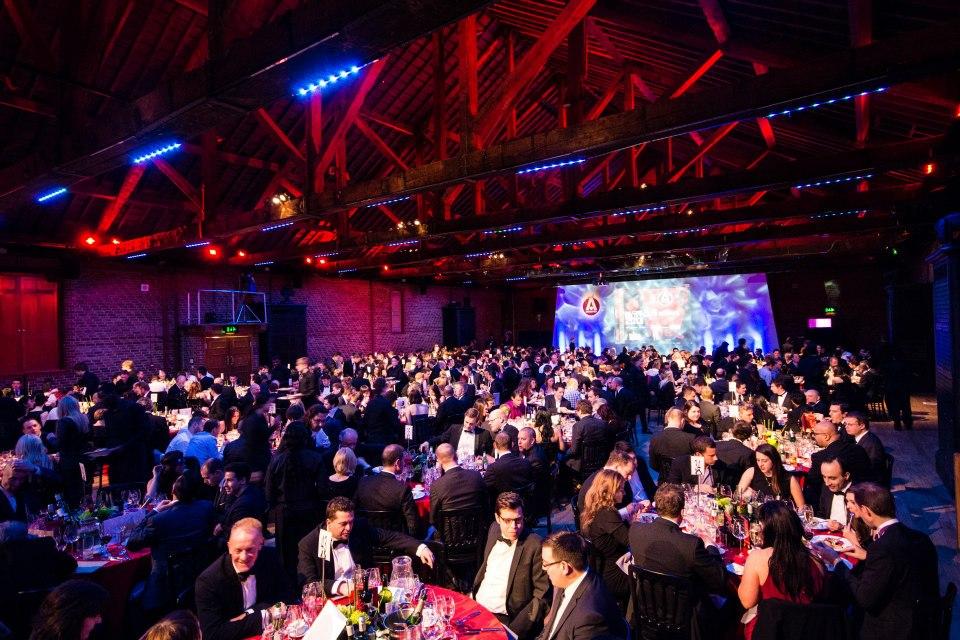
Planning a conference in London for 200 to more than 1,000 delegates requires detailed coordination, strong supplier management and a clear understanding of the delegate experience.
From finding a suitable London conference venue to managing registration, audiovisual production, speakers, catering, accommodation and on-site delivery, every element needs to work together.
The Event Book provides full-service London conference management for organisations hosting conferences, summits, leadership events, annual meetings and multi-day programmes. Our experienced team can manage the complete project or support selected areas where your internal team needs additional expertise.
What Does a Conference Management Agency Do?
A conference management agency plans and coordinates the different elements required to deliver a professional business event.
Depending on the brief, conference management services may include:
- Event strategy and planning
- Complimentary venue sourcing
- Budget creation and management
- Venue and supplier negotiations
- Project timelines
- Delegate registration
- Event websites and communications
- Audiovisual production
- Stage and set design
- Speaker management
- Agenda and content coordination
- Catering
- Sponsorship and exhibition areas
- Accommodation
- Travel and transfers
- Branding and signage
- On-site event management
- Post-event reporting
The Event Book can act as one central point of contact for the venue, production team, speakers, sponsors and other suppliers. This gives your organisation greater oversight without requiring your internal team to manage every detail.
How Do You Plan a London Conference for 200–1,000+ Delegates?
The first step is to create a clear conference brief.
This should define:
- The purpose of the conference
- Preferred date or date range
- Expected and minimum delegate numbers
- Total event budget
- Preferred London location
- Conference length
- Main plenary capacity
- Number of breakout rooms
- Audiovisual requirements
- Catering
- Exhibition or sponsor requirements
- Registration process
- Accommodation
- Accessibility
- Hybrid or live-streaming requirements
The brief does not need to be complete before you contact an event agency. An experienced conference organiser can help identify the decisions that need to be made first. They can also advise whether the budget, format and venue requirements are realistic.
Finding a London Conference Venue
London has a wide selection of conference venues. These include hotels, dedicated conference centres, universities, historic buildings, exhibition venues and large-scale event spaces.
However, the right venue depends on much more than its advertised maximum capacity.
For conferences with 200 to more than 1,000 delegates, key considerations include:
- Main plenary room capacity
- Number and size of breakout rooms
- Exhibition and networking space
- Registration and cloakroom areas
- Ceiling height and stage requirements
- In-house audiovisual facilities
- Internet connectivity
- Catering capacity
- Speaker preparation rooms
- Green rooms
- Accessibility
- Accommodation
- Loading and supplier access
- Public transport connections
- Setup and breakdown times
- Branding opportunities
- Security requirements
A venue that can technically accommodate 1,000 people may not have enough space for registration, catering, sponsor stands and breakout sessions at the same time.
The Event Book assesses the complete conference programme before recommending venues.
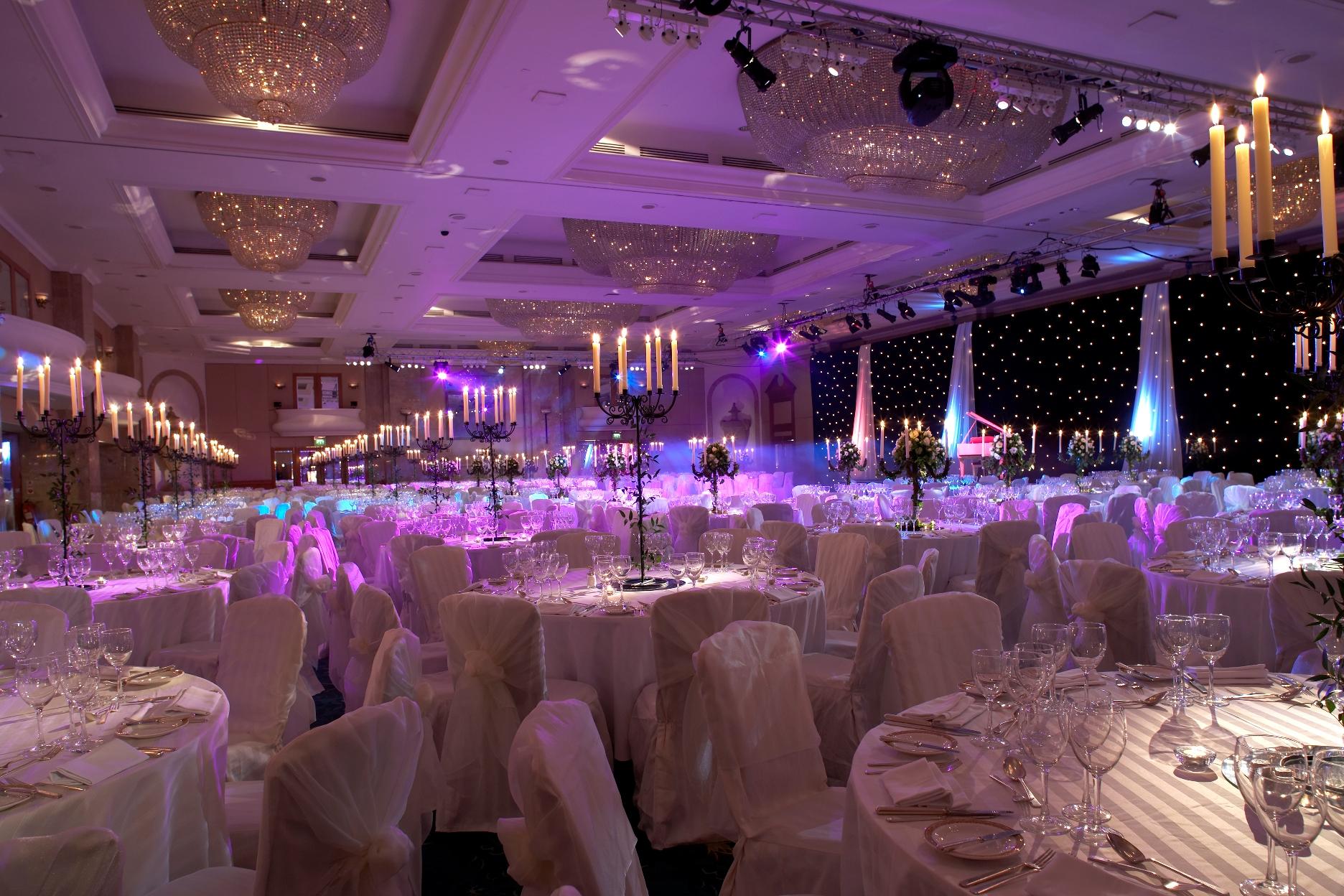
Complimentary Conference Venue Finding
The Event Book offers a complimentary venue finding service for suitable corporate conference enquiries.
Our team can:
- Research suitable London conference venues
- Check date availability
- Request detailed proposals
- Compare room capacities
- Review catering packages
- Assess bedroom availability
- Identify production restrictions
- Present a tailored venue shortlist
- Arrange and attend site visits
- Support venue negotiations
- Help review the final proposal
This service saves your team from contacting numerous venues and comparing proposals with different formats and inclusions.
Once the venue has been selected, you can appoint The Event Book to manage the complete conference or provide specific services.
What Type of London Venues Can Accommodate Large Conferences?
Depending on the number of delegates and programme requirements, suitable options may include:
- Purpose-built conference centres
- Large London hotels
- Exhibition venues
- Auditoriums
- Universities
- Museums and galleries
- Historic venues
- Theatres
- Blank-canvas event spaces
- Sports and entertainment venues
Potential London venues for large conferences include ExCeL London, QEII Centre, Convene, The Brewery, Business Design Centre, Central Hall Westminster, Magazine London and selected major London hotels.
Capacity, availability, suitability and pricing can change. Therefore, every venue should be assessed against the specific brief.
Conference Management for 200–500 Delegates
A conference for 200 to 500 delegates may be hosted in a hotel ballroom, purpose-built conference venue, auditorium or flexible event space.
Typical requirements may include:
- One main conference room
- Two to six breakout rooms
- Registration area
- Networking space
- Catering area
- Stage and screens
- Speaker preparation room
- Sponsor stands
- Cloakroom
- On-site event office
Even at this scale, guest flow is important. Registration, refreshment breaks and lunch must be planned carefully to prevent unnecessary queues and overcrowding.
Conference Management for 500–1,000 Delegates
Conferences for 500 to 1,000 delegates require a more detailed operational plan.
The event may require:
- Multiple registration points
- A large plenary space
- Several breakout streams
- Extensive audiovisual production
- A larger on-site team
- Security and access control
- Digital event signage
- Sponsor and exhibition management
- Speaker and VIP support
- Multiple catering stations
- Transport coordination
- Hotel bedroom allocations
The venue plan should allow delegates to move easily between sessions while keeping the programme on schedule.
Conference Management for More Than 1,000 Delegates
A conference with more than 1,000 delegates may need a purpose-built conference or exhibition venue. This is particularly important when the programme includes multiple stages, a large exhibition or several content streams.
Planning may involve:
- Detailed delegate arrival schedules
- Badge printing and scanning
- Multiple entrances
- Security checks
- Crowd management
- Large-scale staging and production
- Several speaker management teams
- Parallel breakout sessions
- Sponsor build schedules
- Catering for different arrival periods
- Hotel room blocks
- Coaches and transfers
- Medical and welfare provision
- Detailed contingency plans
At this scale, every supplier must work from an agreed production schedule. They also need to understand how their responsibilities connect with the wider event.
How Much Does a London Conference Cost?
The cost of running a conference in London depends on several factors. These include delegate numbers, venue, date, production specification, catering and programme.
The total budget may include:
- Venue hire
- Day delegate packages
- Catering
- Drinks
- Audiovisual production
- Stage and set design
- Screens and lighting
- Registration technology
- Event website
- Speaker costs
- Entertainment
- Exhibition stands
- Branding and signage
- Furniture
- Security
- Photography and filming
- Live streaming
- Accommodation
- Travel and transfers
- Event management
- On-site staffing
- VAT and contingency
A conference at a venue offering an inclusive day delegate package may cost less to produce than an event in a blank-canvas space. In that case, catering, furniture, production and staffing may need to be sourced separately.
The Event Book creates and maintains a detailed event budget. This keeps approved costs, supplier commitments and payment deadlines visible throughout the project.
How Much Does Conference Management Cost?
The Event Book typically charges between 12% and 18% of the client’s total event budget for full event management.
Every conference is assessed individually according to:
- Scope of work
- Planning period
- Delegate numbers
- Number of event days
- Venue and supplier requirements
- Production complexity
- Number of speakers and sessions
- Registration requirements
- Accommodation and travel
- On-site staffing
For clearly defined requirements, we may recommend a fixed project fee instead.
Our venue finding service is complimentary for suitable corporate enquiries. Any charges for additional conference management services will be explained and agreed before work begins.
Conference Budget Management
Large conferences can involve numerous suppliers, contracts and payment schedules.
Effective budget management should include:
- An agreed total budget
- Clear cost categories
- Agency fees
- Supplier quotations
- VAT
- Currency conversion where relevant
- Payment deadlines
- Contingency
- Regular budget updates
- Final reconciliation
The Event Book keeps the working budget updated as decisions are made. This allows clients to understand how changes to the venue, catering, production or delegate numbers may affect the final cost.
Delegate Registration and Event Technology
A reliable registration process is essential for conferences with hundreds or thousands of attendees.
The registration system may need to manage:
- Online registration
- Ticket types
- Delegate categories
- Session selections
- Dietary requirements
- Accessibility information
- Consent and data collection
- Payment processing
- Confirmation emails
- QR codes
- Badge printing
- On-site check-in
- Attendance reporting
For larger events, self-service check-in desks or pre-printed badge collection points can help reduce queues.
The Event Book can help select and manage an appropriate registration solution based on the size and complexity of the conference.
Delegate Communications
Clear communication helps attendees prepare for the event. It also reduces questions for the internal organising team.
Conference communications may include:
- Save-the-date announcements
- Invitations
- Registration confirmations
- Speaker announcements
- Agenda updates
- Travel information
- Accommodation guidance
- Joining instructions
- Venue maps
- Mobile app notifications
- Post-event surveys
- Presentation access
The communication schedule should be agreed early. It should also be coordinated with the registration process.
Conference Production and Audiovisual Services
Production is one of the most important parts of a professional conference.
Delegates must be able to see, hear and understand the content, regardless of where they are seated.
A conference production specification may include:
- Stage and set design
- LED screens or projection
- Sound systems
- Lighting
- Presentation laptops
- Confidence monitors
- Lecterns
- Microphones
- Video playback
- Presentation management
- Filming
- Live streaming
- Remote speakers
- Digital signage
- Technical rehearsals
- On-site technicians
Large rooms may require several screens and delayed sound systems to provide consistent coverage.
The Event Book coordinates the venue, production company, speakers and content team. This ensures that technical requirements are understood before the event.
Hybrid and Live-Streamed Conferences
Hybrid events allow remote delegates or speakers to join the conference online.
However, a hybrid conference requires more than placing a camera at the back of the room. The production plan must consider the experience of both in-person and remote audiences.
Requirements may include:
- A reliable dedicated internet connection
- Multiple cameras
- Vision mixing
- Broadcast-quality sound
- Remote speaker management
- Streaming platform
- Presentation integration
- Online moderation
- Technical rehearsals
- Backup connectivity
- Recorded content
The Event Book can help determine whether a fully hybrid programme, selected streamed sessions or post-event recordings offer the best value.
Speaker Management
Speaker management can become a major workstream when a conference includes several panels, keynotes and breakout sessions.
Support may include:
- Speaker invitations
- Biography and headshot collection
- Presentation deadlines
- Technical requirements
- Travel and accommodation
- Briefing calls
- Rehearsals
- Green room schedules
- On-site speaker support
- Presentation loading
- Timing and stage management
Speakers should receive clear instructions about arrival times, session formats and presentation requirements.
For large conferences, a dedicated speaker liaison team can help keep the programme running on time.
Agenda and Content Planning
The agenda should support the purpose of the conference while maintaining delegate attention.
Factors to consider include:
- Session length
- Break frequency
- Keynote placement
- Panel formats
- Breakout choices
- Networking time
- Sponsor commitments
- Catering schedule
- Travel times
- Awards or entertainment
- Closing content
Allow sufficient time for delegates to move between rooms, visit exhibition stands and take refreshments.
A tightly scheduled programme with no transition time can create delays throughout the day.
Breakout Room Management
Breakout sessions allow different delegate groups to explore specific subjects in more detail.
Each room may require:
- Appropriate capacity
- Screen or projection
- Microphones
- Speaker laptop
- Session host
- Technical support
- Room manager
- Signage
- Water
- Timing notices
- Attendance monitoring
The programme should avoid placing the most popular sessions in the smallest rooms unless advance booking is being used.
Catering for 200–1,000+ Delegates
Catering should be planned around the programme, venue layout and available service time.
Conference catering may include:
- Arrival tea and coffee
- Breakfast
- Mid-morning refreshments
- Lunch
- Afternoon refreshments
- Networking drinks
- Canapés
- Seated dinner
- Awards dinner
Food stations or multiple service points may be needed for larger delegate numbers.
Dietary and allergy information should be collected during registration and communicated securely to the catering team.
The menu should also consider cultural requirements, accessibility and the practicalities of eating during networking or exhibition time.
Sponsorship and Exhibition Management
Sponsors and exhibitors may provide valuable revenue and content. However, they also create additional planning requirements.
The conference team may need to manage:
- Sponsorship packages
- Exhibition floor plans
- Stand allocations
- Exhibitor manuals
- Branding specifications
- Furniture and power
- Internet access
- Deliveries
- Build schedules
- Lead retrieval
- Sponsor passes
- Hosted sessions
- Speaking opportunities
- Health and safety documentation
Clear deadlines and one central point of communication can make the exhibitor experience significantly smoother.
Conference Accommodation in London
If delegates are travelling to London, hotel accommodation should be considered early.
Bedroom requirements may include:
- Individual bookings
- Room blocks
- VIP rooms
- Speaker accommodation
- Staff accommodation
- Accessible rooms
- Early arrivals
- Extended stays
We can research hotels near the conference venue, compare rates and help manage room allocations.
London hotel prices and availability can vary significantly according to the date and other major events taking place in the city.
Travel and Transport
London has strong public transport connections. However, delegate travel still needs careful consideration.
The plan may include:
- Airport transfers
- Rail travel information
- Coaches
- Private cars
- VIP transport
- Accessible transport
- Venue shuttle services
- Supplier logistics
- Taxi collection points
Clear travel instructions should be included in delegate communications before the conference.
Branding and Event Signage
Consistent branding helps delegates navigate the conference. It also reinforces the organisation’s identity.
Conference branding may include:
- Registration desks
- Stage and screen content
- Directional signs
- Agenda boards
- Sponsor displays
- Exhibition stands
- Speaker slides
- Name badges
- Table plans
- Digital signage
- Menus
- Event apps
- Printed programmes
All artwork should be approved and sent to production with sufficient time for checks and installation planning.
Accessibility and Inclusion
Accessibility should be considered from the beginning of the venue search.
Planning may include:
- Step-free venue access
- Accessible toilets
- Hearing loops
- British Sign Language interpretation
- Live captioning
- Reserved seating
- Accessible staging
- Dietary requirements
- Quiet rooms
- Prayer rooms
- Accessible transport
- Clear signage
- Online accessibility
Registration forms should allow delegates to share relevant requirements in advance.
The venue and suppliers should then receive the information needed to provide appropriate support.
Sustainable Conference Planning
Organisations are increasingly considering the environmental impact of their events.
Options for a more sustainable conference may include:
- Choosing a venue close to public transport
- Using digital event materials
- Reducing single-use products
- Selecting seasonal menus
- Measuring food requirements accurately
- Reusing event branding
- Sourcing local suppliers
- Providing water refill stations
- Encouraging rail travel
- Donating surplus materials
- Measuring event-related carbon emissions
Sustainability objectives should be agreed early. This allows them to influence venue and supplier selection.
Risk and Contingency Planning
A conference risk plan should identify potential problems and confirm how the event team will respond.
This may cover:
- Speaker cancellations
- Technical failure
- Internet disruption
- Medical emergencies
- Fire and evacuation
- Security incidents
- Supplier delays
- Transport disruption
- Adverse weather
- Lost delegates or property
- Overcrowding
- Food allergies
- Programme delays
The venue, agency, production company and other key suppliers should understand their responsibilities and escalation procedures.
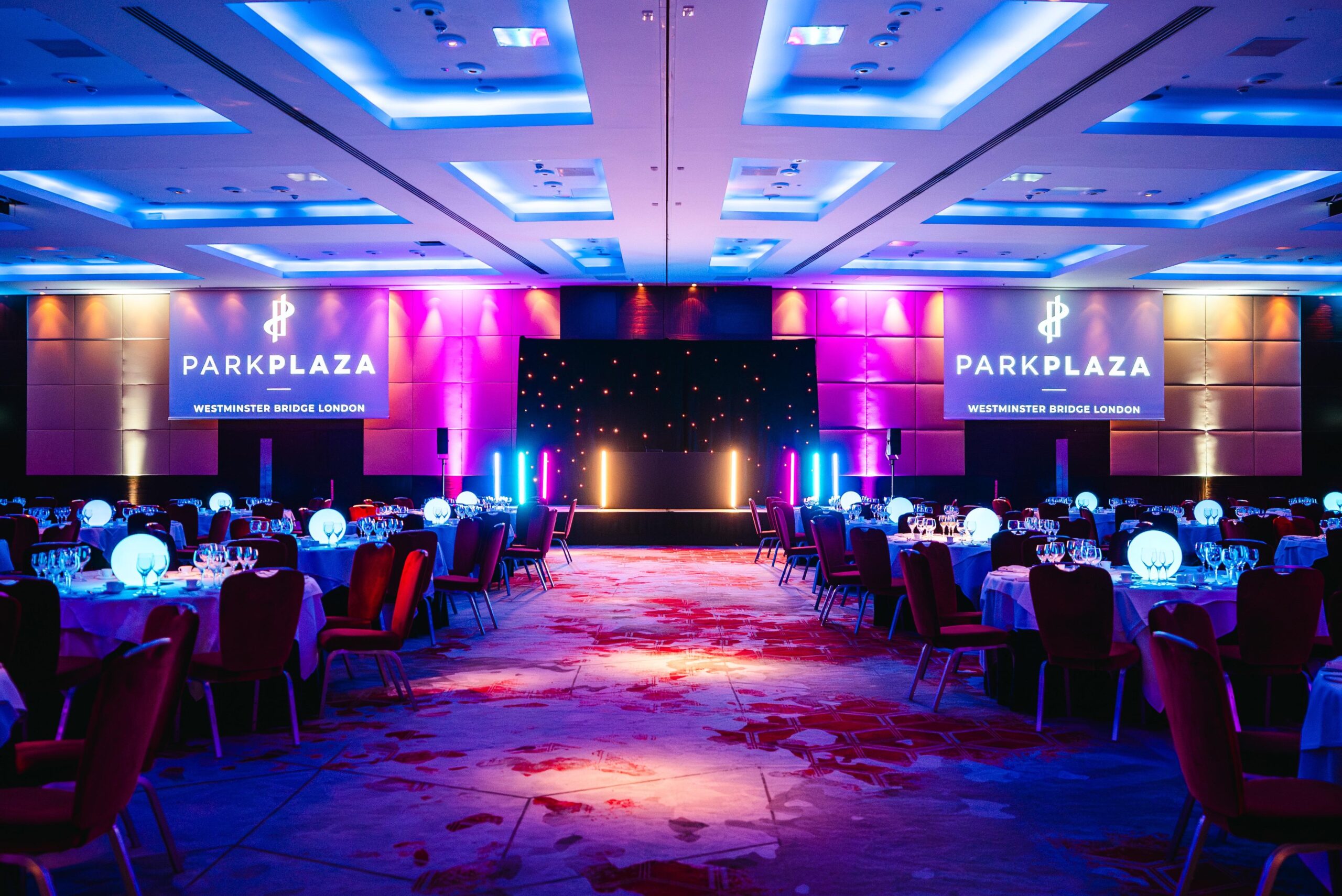
On-Site Conference Management
On the event day, The Event Book can provide an experienced team to coordinate delivery.
On-site responsibilities may include:
- Venue liaison
- Supplier management
- Registration
- Speaker support
- Production coordination
- Stage management
- Breakout room management
- Sponsor and exhibitor support
- Catering supervision
- Delegate assistance
- Transport coordination
- Schedule management
- Troubleshooting
- Final venue handover
A clear event schedule and communication structure help the team make decisions quickly while keeping the delegate experience professional.
Why Choose The Event Book?
The Event Book is an independent, full-service corporate event agency supporting conferences in London, across the UK and internationally.
Our clients receive one main point of contact supported by an experienced senior event team. We bring venues, production partners, caterers, registration providers and other suppliers together under one coordinated plan.
Our conference management services include:
- Complimentary venue sourcing
- Full project management
- Budget planning and control
- Audiovisual production
- Speaker management
- Delegate registration
- Catering
- Sponsor and exhibition coordination
- Branding and print
- Accommodation
- Travel and transfers
- On-site delivery
We have supported organisations including the Premier League, Cisco, Tech Mahindra, Sephora, CyberProof, The Arch Company, BARK and Phaildon Recruitment.
When Should You Start Planning a London Conference?
For a conference with 200 to more than 1,000 delegates, it is sensible to begin planning as early as possible.
A lead time of six to twelve months can provide:
- A wider choice of London venues
- Better access to preferred dates
- More time for internal approvals
- Sufficient time to develop the programme
- Better availability from speakers and suppliers
- More time to secure sponsorship
- A structured delegate communication plan
- Greater control over the budget
Very large, international or multi-day conferences may require an even longer planning period.
If your timescale is shorter, The Event Book can assess availability and recommend a realistic approach.
Information Needed to Start Planning
To begin your London conference proposal, it is helpful to provide:
- Preferred date or date range
- Expected delegate numbers
- Minimum guaranteed attendance
- Total budget plus VAT
- Preferred London location
- Number of event days
- Main plenary capacity
- Breakout room requirements
- Catering requirements
- Audiovisual specification
- Exhibition or sponsorship needs
- Registration requirements
- Bedroom numbers and dates
- Details of last year’s conference venue
If some information has not yet been confirmed, our team can help you develop the brief.
FAQs
Can The Event Book Find a London Conference Venue?
Yes. We provide complimentary venue sourcing for suitable corporate conference enquiries. We can research venues, check availability, gather proposals, prepare a shortlist and arrange site visits.
Can You Manage a Conference for More Than 1,000 Delegates?
Yes. We can support large conferences involving registration, multiple stages, breakout sessions, exhibitions, catering, production, accommodation and transport.
How Much Does Conference Management Cost?
The Event Book typically charges between 12% and 18% of the total event budget for full event management. Every project is assessed individually according to the scope and complexity of the work.
Can You Manage Delegate Registration?
Yes. We can help select and manage a registration system covering online forms, confirmation communications, dietary information, badges, QR codes, check-in and reporting.
Can You Manage Conference Production?
Yes. We can coordinate audiovisual production, staging, screens, lighting, sound, filming, live streaming, speaker presentations and technical rehearsals.
Can You Organise a Hybrid Conference?
Yes. We can manage the venue, broadcast production, streaming platform, remote speakers and online delegate experience.
Can You Source Conference Accommodation?
Yes. We can research hotels, secure bedroom allocations and help coordinate accommodation for delegates, speakers, staff and VIP guests.
Can You Manage an International Conference?
Yes. The Event Book delivers corporate events in London, across the UK and internationally, including Europe, the USA and the UAE.
Can You Support Only Part of the Conference?
Yes. We can manage the complete project or provide selected services, such as venue sourcing, registration, production, speaker management or on-site support.
Plan Your London Conference
If you are organising a London conference for 200 to more than 1,000 delegates, The Event Book can support the project from the initial venue search through to final delivery.
We will help you find the right venue, build a realistic budget and coordinate the production, registration, speakers, catering and guest experience.
Contact The Event Book to discuss your conference brief and arrange an initial discovery call.