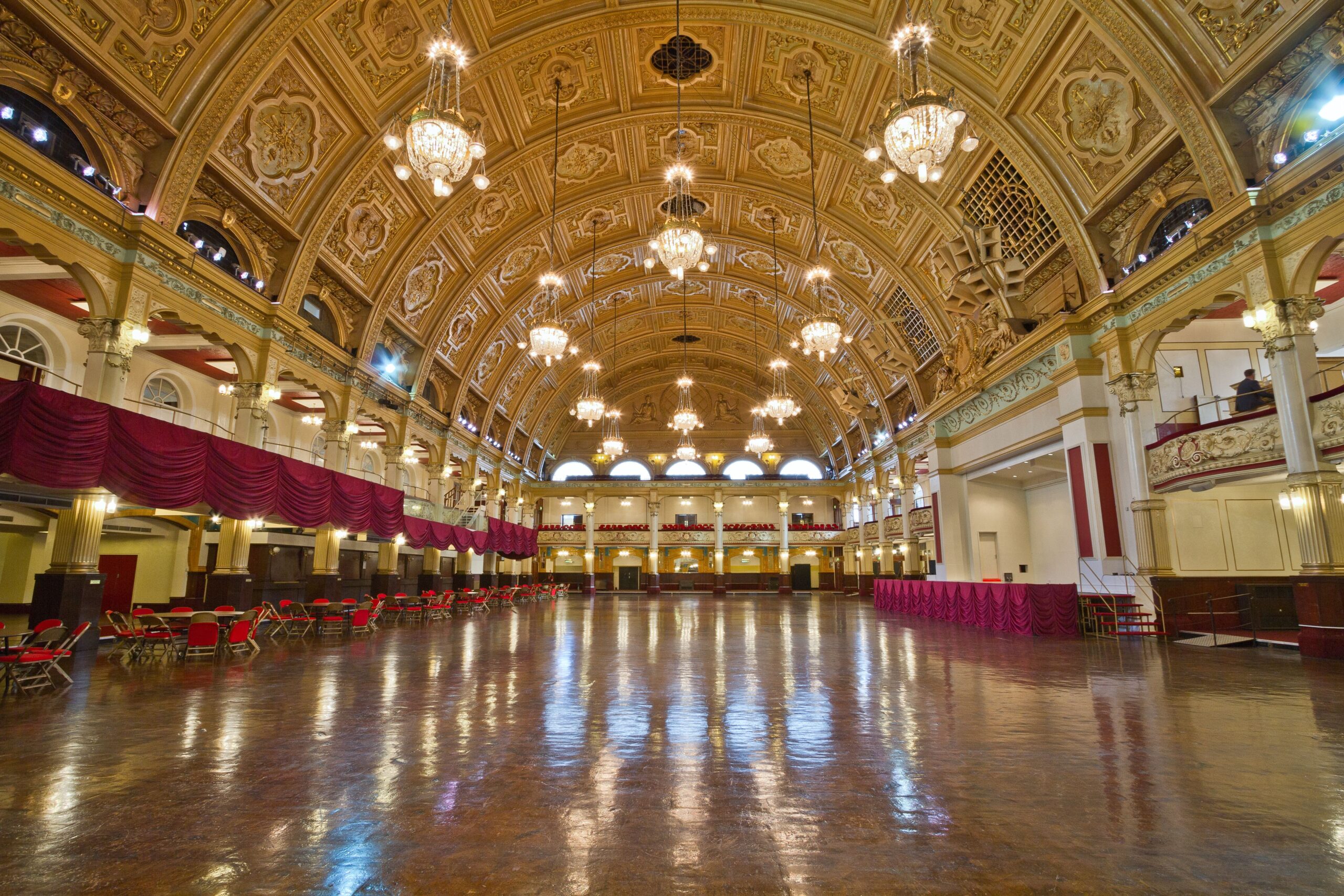
A beautiful room can still be the wrong venue. If delegates face a long, confusing journey, the Wi-Fi fails during a product demonstration or the schedule is squeezed around another event’s load-in, the impression lingers long after the final guest has left. Effective london corporate venue sourcing starts with the business outcome, then tests every possible space against the practical realities of delivering it.
For a leadership conference, that may mean privacy, excellent sightlines and room for confidential conversations. For client hospitality, it may be a setting that feels distinctive without making travel difficult. For an all-company celebration, capacity, production access, transport links and a realistic finish time can matter more than an impressive first photograph.
The right venue is not simply somewhere available on the preferred date. It is a place that helps the event work for its guests, its hosts and the people responsible for delivering it.
Start London corporate venue sourcing with the brief
A venue search is only as good as the brief behind it. Before looking at options, establish what the event needs to achieve and what attendees should feel, know or do afterwards. This turns a vague request for a “modern venue for 200 people” into useful criteria that can guide decisions.
Consider the audience first. Are guests travelling from offices across the capital, arriving from overseas or attending after a full working day? A venue close to a major station may be essential for one group and irrelevant for another. Senior leaders may need discreet arrival routes and green rooms. A younger employee audience may value a more social format, interactive food stations and a space that can carry energy into the evening.
The format deserves equal attention. A theatre-style conference with a livestream has very different requirements from a drinks reception, a workshop-led away day or a brand activation. Ask how the day will move: where registration happens, whether delegates need to break into smaller groups, how catering will be served, where speakers wait, and whether there is enough time and access to install staging, lighting and branding.
Budget should be discussed openly at this stage. The venue hire is only one part of the figure. Catering minimums, security, furniture, cloakroom staff, power, internet, production, cleaning, overtime and late licences can all change the final cost. A lower hire fee is not always better value if it creates a long list of essential additions.
Look beyond the venue brochure
Venue imagery is designed to show a space at its best. It cannot tell you whether a reception desk creates a queue at 8.45am, whether the lift can take a flight case, or whether daylight becomes a problem for a presentation screen. This is where experienced sourcing earns its place.
A proper assessment examines the operational detail as well as the atmosphere. The loading route, lift dimensions, vehicle restrictions, noise limits, kitchen capacity, accessible entrances and toilet provision all affect the guest experience. So do the less visible details: mobile signal, nearby construction, exclusivity arrangements and the turnaround time between events.
For hybrid or content-led events, technical due diligence is particularly important. Confirm the dedicated bandwidth available, where cameras can be positioned, whether the ceiling can support lighting, how audio is managed between rooms and who has control of the house system. A venue with attractive built-in AV can still be unsuitable if it cannot accommodate the required production plan.
It also pays to understand the venue team. A capable operations manager who knows the building, responds quickly and works collaboratively can make a demanding event feel controlled. Conversely, unclear ownership between venue, caterer and technical suppliers can lead to gaps on the day. The strongest venue partnerships are built on shared expectations, not assumptions.
Build a shortlist, not a gallery
Presenting ten loosely suitable venues often slows a decision down. A well-considered shortlist of three or four options gives stakeholders a clearer route to approval. Each recommendation should explain why it fits the brief, what compromises it involves and what needs confirming before a contract is signed.
For example, a characterful central venue may be excellent for a client dinner but offer limited back-of-house access for a high-spec brand build. A purpose-built conference venue may be easier for registration, breakouts and accessibility, while feeling less distinctive for an evening reception. Neither is automatically the better choice. It depends on which priorities cannot move.
This is also the moment to challenge a brief constructively. If the desired date, location, capacity and budget are pulling in different directions, it is better to address that early than to force an unsuitable choice. Moving from a Thursday to a Wednesday, considering a different London neighbourhood or adjusting the event format can open up stronger options and better value.
Test the guest journey from invitation to departure
A venue decision should be tested through the eyes of the people attending, not just the person booking it. Map the experience from the invitation through to the journey home.
Will guests immediately understand which entrance to use? Is the arrival area protected from bad weather? Can registration be managed without blocking circulation? Are there quiet spaces for calls, prayer, feeding or decompression where appropriate? If the event runs into the evening, are there safe, practical transport options nearby?
Accessibility should be considered as part of the core design, rather than treated as a late-stage adjustment. Step-free access, hearing support, accessible toilets, clear signage, dietary provision and seating layouts all need checking in context. A venue may describe itself as accessible while still presenting challenges for a particular agenda or guest group.
The same thinking applies to inclusion. A space that supports varied dietary needs, alcohol-free hosting, different networking styles and comfortable participation is more likely to make guests feel genuinely welcome. Corporate events work harder when people can focus on the purpose of being there rather than navigating avoidable friction.
Protect the budget in the contract, not just the proposal
Once a preferred venue is identified, the commercial detail needs careful attention. Quotes should be compared on a like-for-like basis, with a clear view of what is included, excluded and subject to change. Check minimum spends, service charges, VAT treatment, agency commissions, attrition terms, cancellation schedules and payment dates.
Ask for clarity on the operational charges that are easy to miss. These can include security, cleaning, out-of-hours staffing, technician overtime, corkage, furniture removals, delivery handling and extra power. If suppliers need early access or the event requires a late finish, make sure those timings are agreed in writing rather than discussed informally.
Flexibility matters too. Delegate numbers can change, especially for internal events and programmes with international guests. It is useful to know the final guarantee date, what happens if numbers fall below the minimum, and whether unused catering spend can be reallocated to another worthwhile element of the event.
A venue contract is not just a booking confirmation. It is the operating framework for a live experience with real financial and reputational stakes.
Give the venue a clear role in the event story
The most successful events use their setting with intention. A historic building can add gravitas to an awards dinner. A gallery may provide a natural conversation point for client hospitality. A blank-canvas space can become a complete brand world when production, lighting, food and entertainment are designed around one clear idea.
That does not mean every event needs a dramatic transformation. Sometimes the most effective choice is a calm, highly functional venue that allows content and people to take centre stage. The question is whether the setting supports the desired tone and makes the agenda easier to deliver.
At The Event Book, venue sourcing is treated as part of the wider event plan, not a separate administrative task. The venue decision informs creative development, supplier selection, registration, production schedules and on-site management. That joined-up approach reduces surprises and gives internal teams a clearer line of sight from brief to delivery.
A good venue should make the event team feel prepared, not exposed. Choose the space that answers the real brief, leaves room for the unexpected and lets every guest experience the event as it was intended.
FAQs
What is London corporate venue sourcing?
London corporate venue sourcing is the process of finding and securing a venue that matches a company’s event objectives, audience, budget, logistics, and technical requirements. It goes beyond availability to ensure the venue supports a successful event experience.
How do I choose the right corporate venue in London?
Choose a venue based on your event goals, guest numbers, accessibility, transport links, production requirements, budget, and overall guest experience. A professional venue sourcing agency can help compare options and identify the best fit.
What should be included in a corporate venue sourcing service?
A professional venue sourcing service typically includes:
- Venue research
- Venue comparison
- Contract negotiation
- Site inspections
- Budget management
- Supplier coordination
- Accessibility reviews
- Production planning
- Event logistics support
Why is a venue site visit important?
A site visit helps identify practical considerations that venue brochures cannot show, including loading access, internet reliability, power availability, accessibility, room layouts, and production requirements.
When should I book a corporate event venue in London?
For most corporate events, venues should be booked three to six months in advance. Large conferences, gala dinners, and international events may require earlier planning to secure preferred dates and locations.
Why work with a professional venue sourcing agency?
An experienced venue sourcing agency can save time, negotiate better terms, identify hidden costs, reduce operational risks, and recommend venues that align with your business objectives and guest experience.