The events industry continues to evolve rapidly, and 2026 is set to be a defining year for innovation, engagement, and business impact. From international conferences to corporate hospitality programmes and immersive brand experiences, organisations are rethinking how events can deliver measurable value.
Whether you are planning a global summit, a leadership retreat, or a corporate event in London, understanding the latest Event Trends 2026 will help you stay ahead of the curve.
1. Hybrid Events Become Fully Connected Experiences
Hybrid events are no longer viewed as a backup option. Instead, they have become a strategic event format that combines the benefits of in-person and virtual participation.
In 2026, organisations are investing in:
- Virtual networking spaces that mirror physical venues
- XR (Extended Reality) experiences
- Seamless transitions between virtual and in-person attendance
As a result, businesses can reach wider audiences while improving engagement, analytics, and return on investment.
2. Sustainability Becomes a Core Event Metric
Sustainability is no longer just a talking point. Today, it is a measurable part of event planning and reporting.
Many organisations are prioritising:
- Carbon-neutral venues
- Sustainable supply chains
- Eco-certified production partners
- Sustainability reporting and KPIs
Consequently, clients are increasingly asking event planners to demonstrate the environmental impact of their events.
3. Data-Driven Personalisation Takes Centre Stage
Attendees now expect more personalised experiences. Therefore, event planners are using data to create tailored event journeys.
Examples include:
- Personalised agendas
- Session recommendations
- VIP hospitality experiences
- Custom event app content
With stronger CRM integration and first-party data collection, events can deliver more relevant and engaging experiences.
4. AI and Automation Transform Event Planning
Artificial Intelligence is becoming an essential tool for modern event management.
In 2026, AI is helping teams:
- Coordinate event logistics
- Automate attendee communication
- Improve scheduling
- Analyse attendee behaviour
- Predict event performance
As a result, planners can reduce operational workloads while improving guest experiences.
5. Demand for Boutique Venues Continues to Rise
Although large conference centres remain important, many organisations are choosing unique and character-driven venues.
Popular venue styles include:
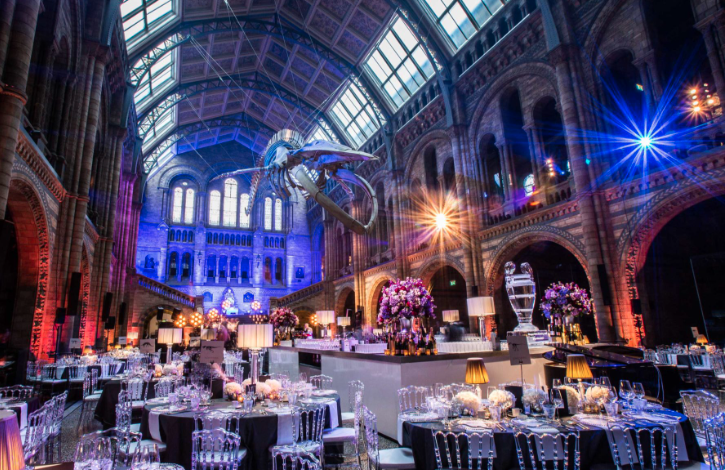
- Historic buildings
- Luxury boutique hotels
- Flexible indoor and outdoor event spaces
- Experiential venues
These settings work particularly well for executive retreats, product launches, and corporate hospitality programmes.
6. Corporate Hospitality Becomes More Strategic
Corporate hospitality is evolving from a networking activity into a powerful business development tool.
Leading organisations are investing in:
- Bespoke client experiences
- VIP guest programmes
- Exclusive sporting and cultural events
- Personalised hospitality journeys
Consequently, hospitality programmes are becoming closely linked to client retention, relationship building, and revenue growth.
7. Global Event Strategies Gain Momentum
Many multinational organisations are moving towards centralised event planning strategies.
This includes:
- Unified global event calendars
- Shared event KPIs
- Multi-region event management
- Consistent brand experiences
As a result, businesses can improve efficiency, reduce costs, and maintain stronger brand consistency across markets.
8. Wellness Becomes Part of Event Design
Wellness is now integrated into the event experience rather than treated as an optional extra.
In 2026, wellness-focused events often include:
- Thoughtfully designed agendas
- Dedicated relaxation spaces
- Health and wellbeing partners
- Improved lighting and sleep-friendly schedules
Therefore, attendee wellbeing is becoming an important measure of event success.
9. Local Experiences Support Global Events
Another key Event Trends 2026 development is the combination of global reach with local relevance.
Many organisations are embracing:
- Local supplier partnerships
- Regional food and beverage experiences
- Culturally relevant activities
- Destination-specific event programming
This approach helps create authentic experiences while maintaining global brand consistency.
10. Interactive Experiences Drive Delegate Engagement
Modern attendees expect active participation rather than passive presentations.
As a result, event planners are incorporating:
- Interactive content
- AR and VR demonstrations
- Live audience participation
- Dynamic networking experiences
Events are increasingly designed around engagement and experience rather than simply delivering information.
What These Event Trends Mean for Businesses
The most successful events in 2026 will be strategic, measurable, and highly personalised.
Organisations that embrace innovation will benefit from:
- Greater attendee engagement
- Improved event performance
- Stronger sustainability outcomes
- Enhanced client experiences
- Better operational efficiency
By combining technology, data, hospitality, and human connection, businesses can create events that deliver lasting value.
Planning for the Future with The Event Book
At The Event Book, we help businesses navigate the latest Event Trends 2026 with confidence. From strategic planning and venue sourcing to event delivery and hospitality management, our team creates experiences that engage audiences and achieve measurable results.
Whether you are planning a London conference, an international leadership summit, or a global incentive programme, we can help turn your vision into reality.