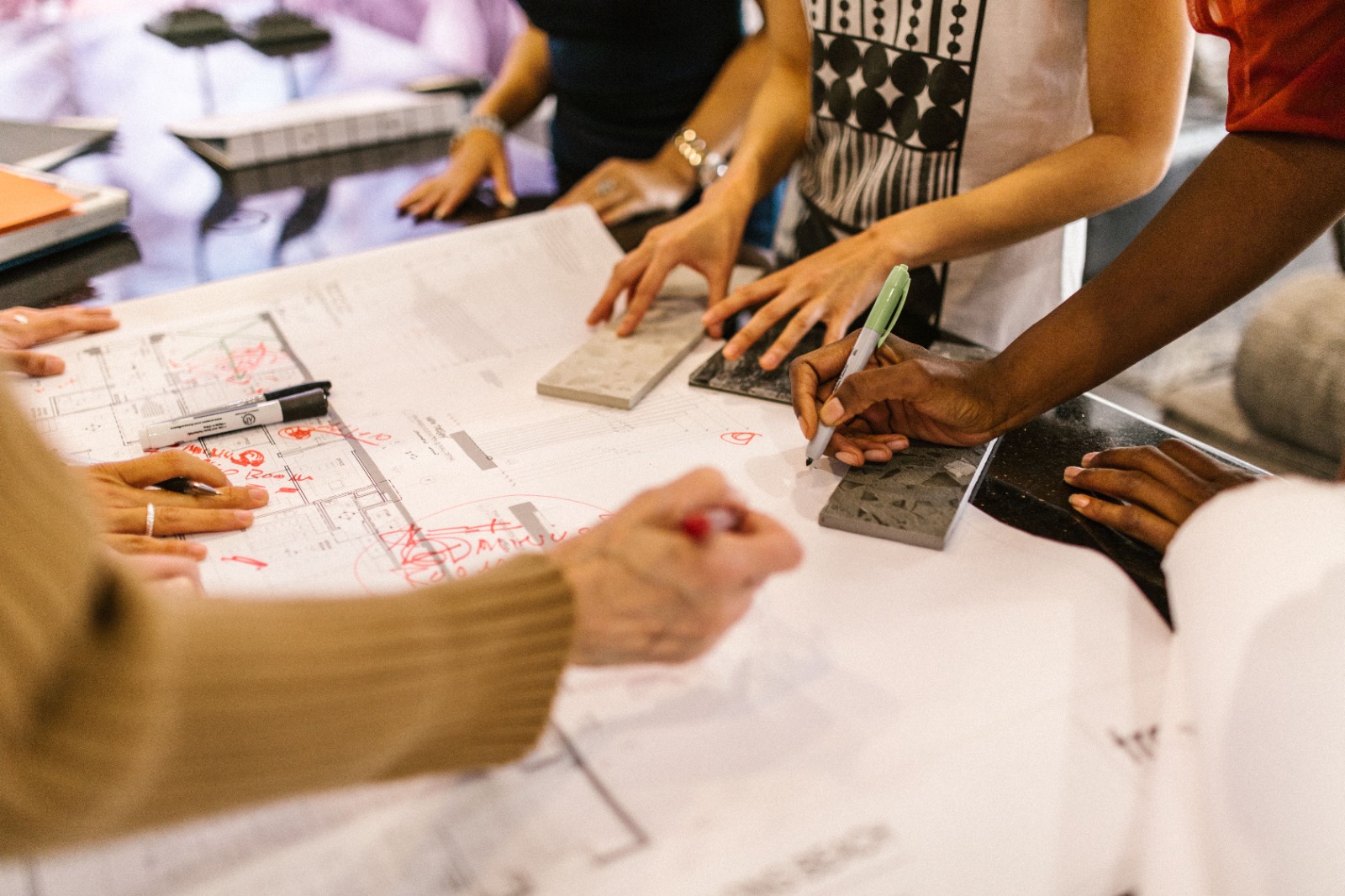
Behind every successful corporate event are months of planning, countless decisions, and strong teamwork. While attendees only experience the finished event, event professionals understand the challenges that must be overcome long before the doors open.
From rising costs to supplier coordination, event planning has become increasingly complex. Businesses expect events to deliver measurable results, while attendees expect engaging and memorable experiences. Meeting both expectations requires careful planning, creativity, and the ability to adapt when things don’t go according to plan.
Industry research shows that some of the most common challenges event planners face include budget pressures, tight timelines, logistics, supplier management, and changing attendee expectations. Understanding these challenges is the first step towards overcoming them.
Budgets Rarely Stay Exactly as Planned
One of the biggest challenges in corporate event planning is managing the budget.
Every event requires investment, including venue hire, production, staging, catering, transport, branding, entertainment, and technology. As planning progresses, costs can change unexpectedly due to inflation, supplier price increases, or last-minute requirements.
The solution isn’t simply spending more. It’s about spending wisely by prioritising the areas that have the greatest impact on the attendee experience while maintaining control of the overall budget.
Time Always Feels Limited
No matter how experienced your planning team is, time is something that cannot be replaced.
Many organisations underestimate how long it takes to organise a successful corporate event. Securing venues, confirming suppliers, scheduling production, preparing marketing materials, and coordinating logistics all require careful planning.
Leaving important decisions until the final weeks often results in unnecessary stress, limited options, and higher costs.
Starting early gives you greater flexibility and helps ensure every stage of the event is properly managed.
Logistics Are More Complex Than They Appear
Attendees remember events that run smoothly, but they rarely see the amount of planning that happens behind the scenes.
Successful event logistics involve coordinating equipment deliveries, registration, catering, staging, lighting, sound, signage, speaker schedules, and supplier arrivals.
A delay in just one area can affect the entire event, making careful coordination essential.
Keeping Attendees Engaged Is More Challenging Than Ever
Today’s audiences expect much more than presentations. They want opportunities to learn, interact, network, and participate.
If an event feels repetitive or lacks engagement, attendees can quickly lose interest.
Interactive discussions, live demonstrations, audience participation, networking opportunities, and engaging content all help create memorable experiences that keep attendees involved throughout the event.
Technology Brings Both Opportunities and Risks
Technology has transformed corporate events by making registration, communication, networking, and presentations more efficient.
However, it also introduces potential risks.
Poor internet connectivity, presentation failures, software issues, or registration problems can negatively affect the attendee experience within minutes.
Professional event teams reduce these risks by testing equipment thoroughly, preparing backup systems, and providing technical support throughout the event.
Last-Minute Changes Are Almost Inevitable
Every experienced event planner knows that no event goes exactly according to plan.
Guest numbers may change, speakers may experience travel delays, suppliers may encounter unexpected issues, or schedules may need to be adjusted at short notice.
Successful event planning isn’t about avoiding every problem. It’s about preparing for them before they happen through contingency plans, alternative suppliers, flexible schedules, and clear communication.

Why Choosing The Event Book Makes a Difference
Many event planning challenges aren’t caused by one major problem. Instead, they result from several small issues happening at the same time.
Managing suppliers, monitoring budgets, coordinating production, supporting speakers, and overseeing logistics all require careful planning and experience.
At The Event Book, we understand that every corporate event represents your brand. We deliver conferences, exhibitions, product launches, networking events, and brand activations across London and internationally.
By combining strategic planning with creative event management, we anticipate challenges before they arise, maintain clear communication throughout the planning process, and ensure every stage of the attendee journey is professionally managed.
Final Thoughts
Every corporate event comes with its own unique challenges, but those challenges don’t have to become obstacles.
With clear objectives, careful planning, and experienced event management, businesses can overcome common issues and deliver successful events that achieve meaningful results.
Whether you’re organising a conference in London or delivering an international brand activation, understanding the biggest challenges in event planning is the first step towards overcoming them.
The better prepared you are before event day, the greater your chances of creating a memorable experience that leaves a lasting impression on your attendees.
FAQs
What is the biggest challenge in event planning?
One of the biggest challenges is balancing budgets, logistics, attendee expectations, and business objectives while ensuring every aspect of the event runs smoothly.
Why is budgeting difficult when planning corporate events?
Event costs can change throughout the planning process due to venue pricing, supplier availability, inflation, and unexpected requirements. Careful financial planning and contingency budgeting help minimise these risks.
Why is attendee engagement important?
Engaged attendees are more likely to remember your event, interact with your brand, build valuable business relationships, and provide positive feedback after the event.
Can The Event Book manage large corporate events?
Yes. The Event Book manages conferences, exhibitions, product launches, networking events, gala dinners, and brand activations across London, the UK, and international destinations.
How can businesses reduce event planning risks?
Businesses can reduce risks by planning early, setting realistic budgets, working with experienced suppliers, preparing contingency plans, and maintaining clear communication throughout the planning process.
Why is logistics planning so important?
Effective logistics ensure every element of the event runs smoothly, from supplier deliveries and registration to staging, catering, and guest management. Strong logistics help create a seamless attendee experience.
Why should businesses work with a professional event management company?
An experienced event management company helps reduce stress, manage suppliers, coordinate logistics, control budgets, and deliver professionally planned events that achieve business objectives.