A well-stocked bar and a DJ may create a lively evening, but they do not automatically create engagement. The most effective employee engagement event ideas give people a reason to feel seen, heard and connected to the work they do together. That requires more than choosing a popular format. It means designing an experience around a clear cultural or business need.
For HR, internal communications and people teams, the pressure is often twofold: deliver something employees genuinely want to attend, while proving that the investment supports retention, collaboration, recognition or change. A thoughtful event can do all of this. The key is matching the format, tone and practical detail to the people in the room.
Start with the moment your people are in
An engagement event should respond to something real in the organisation. If teams have grown quickly, people may need opportunities to build relationships outside their immediate function. Following a demanding project or period of change, recognition and honest conversation may matter more than high-energy entertainment. If leaders want to reinforce a new strategy, employees need space to understand what it means for them, not simply another presentation to sit through.
This is why a single annual party should not carry the full weight of employee engagement. It can be a valuable shared celebration, particularly when it feels generous and inclusive, but it works best as part of a wider rhythm of employee experiences. Smaller, well-timed moments can be more personal and easier for busy teams to join.
Before selecting a venue or activity, agree what success looks like. It may be stronger cross-team relationships, a visible thank you to colleagues, increased confidence in leadership, or a better understanding of a business priority. A clear objective protects the brief from becoming a list of nice-to-haves and helps you make sensible decisions on budget, timing and production.
Employee engagement event ideas with a clear purpose
A recognition evening with genuine personality
Recognition lands best when it is specific. Rather than a long awards ceremony built around generic categories, bring stories to the stage: a team that quietly solved a difficult client challenge, a colleague who supported others through a demanding period, or an idea that improved the customer experience.
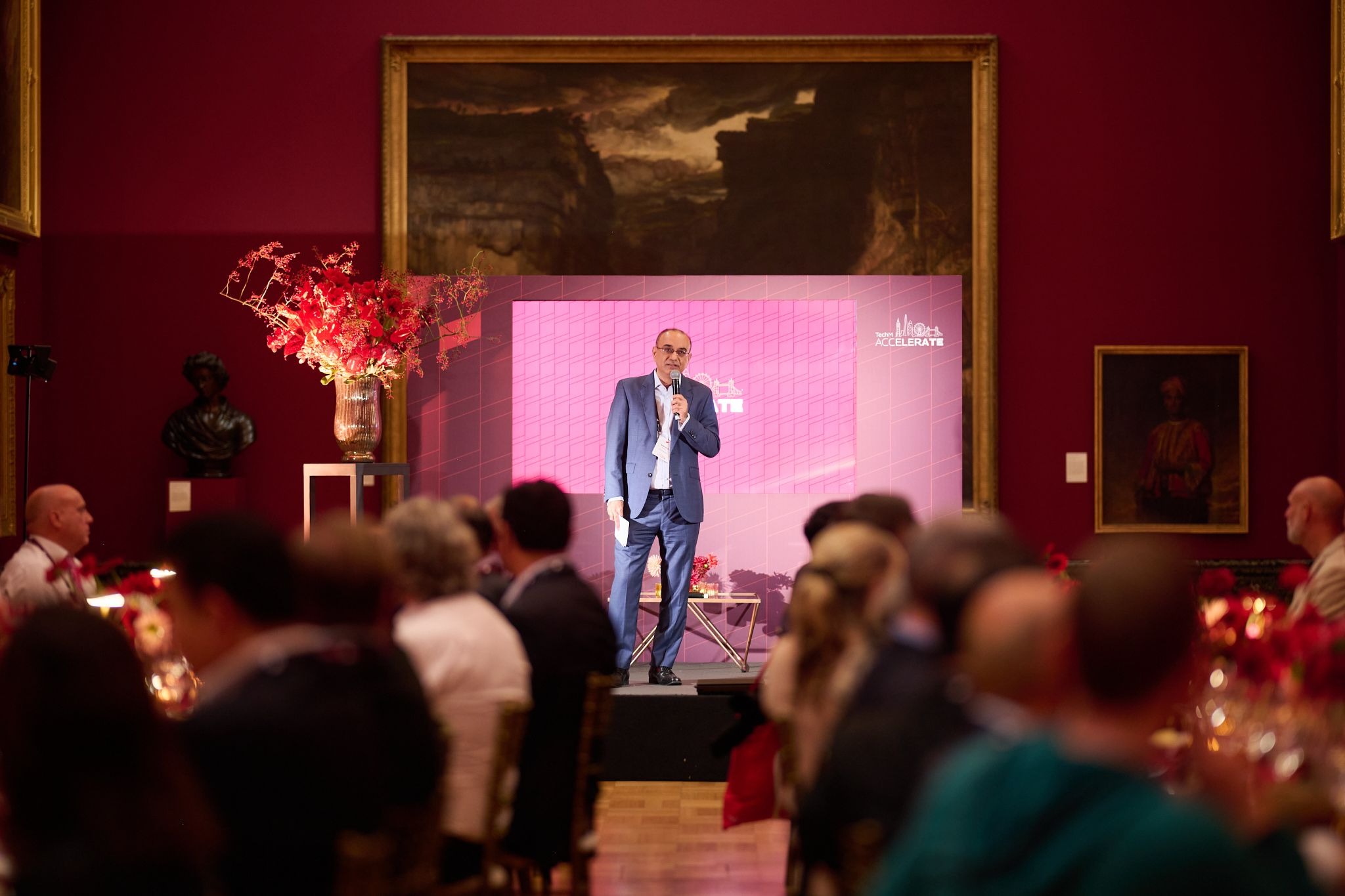
A hosted dinner, drinks reception or themed evening gives those stories a fitting setting, while live entertainment and considered production can keep the pace moving. The trade-off is that formal recognition can feel uncomfortable if nominations are opaque or only senior voices are celebrated. Create a broad nomination process and give managers clear guidance on what good recognition looks like.
A culture festival rather than another all-company update
For larger organisations, a culture festival can turn internal priorities into something people can experience. Think practical workshops led by employee networks, short talks from leaders and external speakers, food reflecting the diversity of the workforce, wellbeing sessions, creative pop-ups and informal networking areas.
This format works particularly well when you need colleagues to engage with themes such as inclusion, sustainability, innovation or values. It also allows people to choose their own route through the day. Choice matters: someone may be energised by a hands-on workshop, while another is more likely to participate in a quiet conversation or learning session.
A festival needs careful curation. Too many activities can dilute the message, and a packed agenda may make people feel they have to rush from one thing to the next. A strong central theme, clear signposting and enough room for informal conversation will make the experience feel purposeful rather than busy.
Team challenges that mirror how work gets done
Team building is most useful when it is not treated as a compulsory day of forced fun. A well-designed challenge can bring together people who rarely collaborate and reveal different strengths in a low-stakes setting.
Creative problem-solving challenges, charity build projects, city-based missions and food-based competitions can all work, depending on the group. The activity should be accessible to a range of physical abilities, confidence levels and cultural preferences. A competitive element can add energy, but collaboration should remain the route to success.
For hybrid or geographically spread teams, consider a shared digital challenge supported by local gatherings. It is rarely realistic to replicate the energy of an in-person experience entirely online, but a professionally hosted broadcast, delivered activity packs and small-group breakouts can create a far more connected experience than a standard video call.
Leadership listening sessions with a proper response loop
Employees are quick to spot the difference between a listening event and a polished performance. A leadership town hall or small-group discussion can be one of the strongest engagement tools available, provided leaders are prepared to answer difficult questions and follow through afterwards.
Use independent facilitation where appropriate, collect questions in advance and offer anonymous routes for participation. Keep the formal presentation short, then create enough time for discussion. Most importantly, share what was heard, what will happen next and where the business has made a different decision. Closing that loop turns participation into trust.
Social events with room for every personality
Not every engagement event needs a strategic agenda. Shared social time is valuable, particularly for teams that have little opportunity to meet away from deadlines and screens. A summer gathering, winter celebration, team lunch, museum private view or family-friendly weekend event can all build goodwill.
The best social events avoid assuming that everyone enjoys the same kind of occasion. A late-night party may be perfect for some colleagues and inaccessible to others because of caring responsibilities, travel, faith, sensory needs or simply personal preference. Daytime formats, alcohol-free options, quieter spaces and thoughtful catering are practical choices that widen participation without making the experience less enjoyable.
Design for attendance, not just invitation numbers
A strong idea can still fail if the logistics tell employees that attending is difficult. Date selection, shift patterns, office locations, travel time and workload all affect turnout. For a multi-site workforce, one flagship event may be right, but it may need locally hosted satellite experiences or a broadcast element to avoid creating an inner circle of attendees.
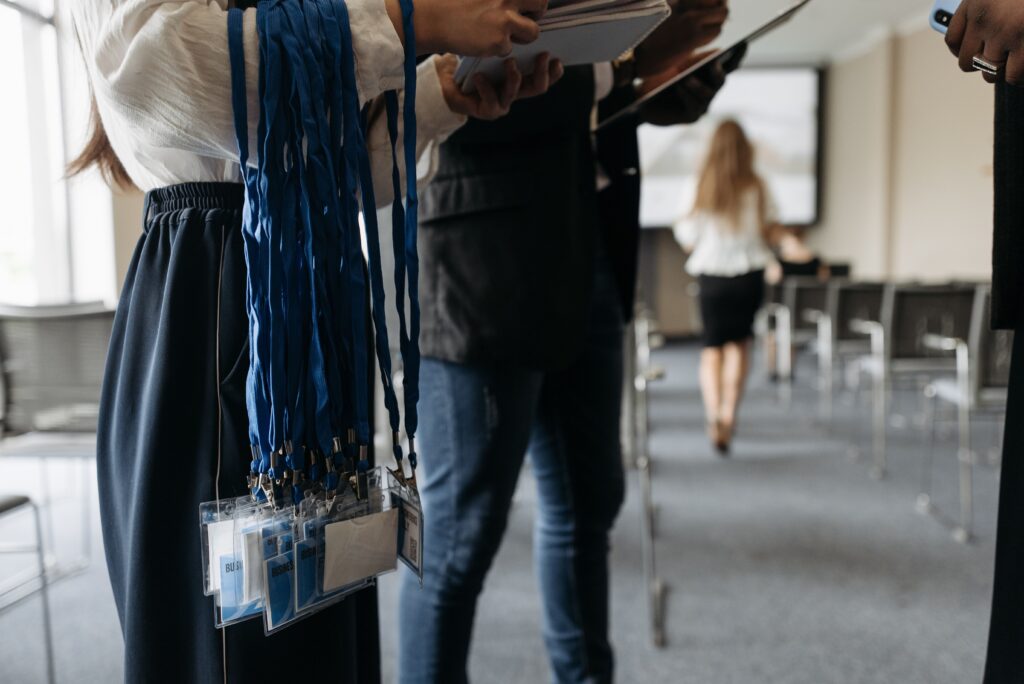
Registration is another opportunity to show care. Keep it simple, ask only for information you will use, make dietary and accessibility requirements easy to share, and communicate early enough for people to plan. Clear joining instructions, transport guidance and a named point of contact remove avoidable friction.
Venue choice also shapes the mood. A central London venue may offer excellent access and a sense of occasion, while an out-of-town retreat may give teams permission to step away from daily routines. Neither is inherently better. The right option depends on your attendance profile, budget, agenda and the experience you want people to have from the moment they arrive.
Make participation feel meaningful
Engagement is not measured by applause alone. Capture feedback while the event is fresh, but ask focused questions: did people feel included, did they meet someone new, did the event help them understand a priority, and would they attend a similar event again? Attendance, session choices and repeat participation can add useful context.
For events connected to a defined initiative, agree measures before planning starts. A leadership listening event might be assessed through the quality and volume of questions, then through follow-up confidence scores. A culture festival may be measured by participation across departments and the number of employee-led ideas taken forward. A recognition event may contribute to broader employee sentiment over time, but it should not be asked to prove retention on its own.
The post-event period matters as much as the event itself. Share photographs and key moments promptly, celebrate contributors, publish actions from discussions and give managers material to continue the conversation with their teams. This is where a one-off gathering becomes part of everyday culture.
Bring the operational detail into the creative brief
The most memorable employee experiences look effortless because the detail has been handled properly. Production schedules, supplier coordination, registration, accessibility planning, rehearsal time, speaker briefing and contingency planning all deserve attention from the outset. Creative ambition and operational discipline should sit together, not compete for budget.
For complex programmes, a senior event partner can take pressure away from the in-house team while keeping decisions collaborative. The Event Book approaches this work as an extension of your team, shaping the experience around your brief and managing the practical work that gives people confidence on the day.
The best employee event is not necessarily the loudest or most expensive. It is the one that reflects how your organisation wants people to feel, makes it easy for them to take part, and gives them a worthwhile reason to talk about it when they return to work.
FAQs
What are employee engagement events?
Employee engagement events are organised experiences that help employees build stronger relationships, improve collaboration, recognise achievements, and strengthen workplace culture.
Why are employee engagement events important?
They improve employee morale, encourage teamwork, increase job satisfaction, strengthen company culture, and help businesses retain talented employees.
What types of employee engagement events work best?
Popular options include team-building activities, recognition events, leadership town halls, culture festivals, wellbeing programmes, workshops, networking sessions, and seasonal celebrations.
How do you measure the success of an employee engagement event?
Success can be measured through attendance rates, employee feedback, participation levels, post-event surveys, cross-team collaboration, and overall engagement with company initiatives.
How can businesses make employee engagement events more inclusive?
Choose accessible venues, provide dietary options, offer alcohol-free alternatives, support hybrid participation where needed, and create activities that suit different personalities and abilities.
Why should businesses work with a professional employee engagement event planner?
An experienced event partner manages planning, venue sourcing, supplier coordination, registrations, logistics, and on-site delivery, allowing internal teams to focus on employees and business objectives.