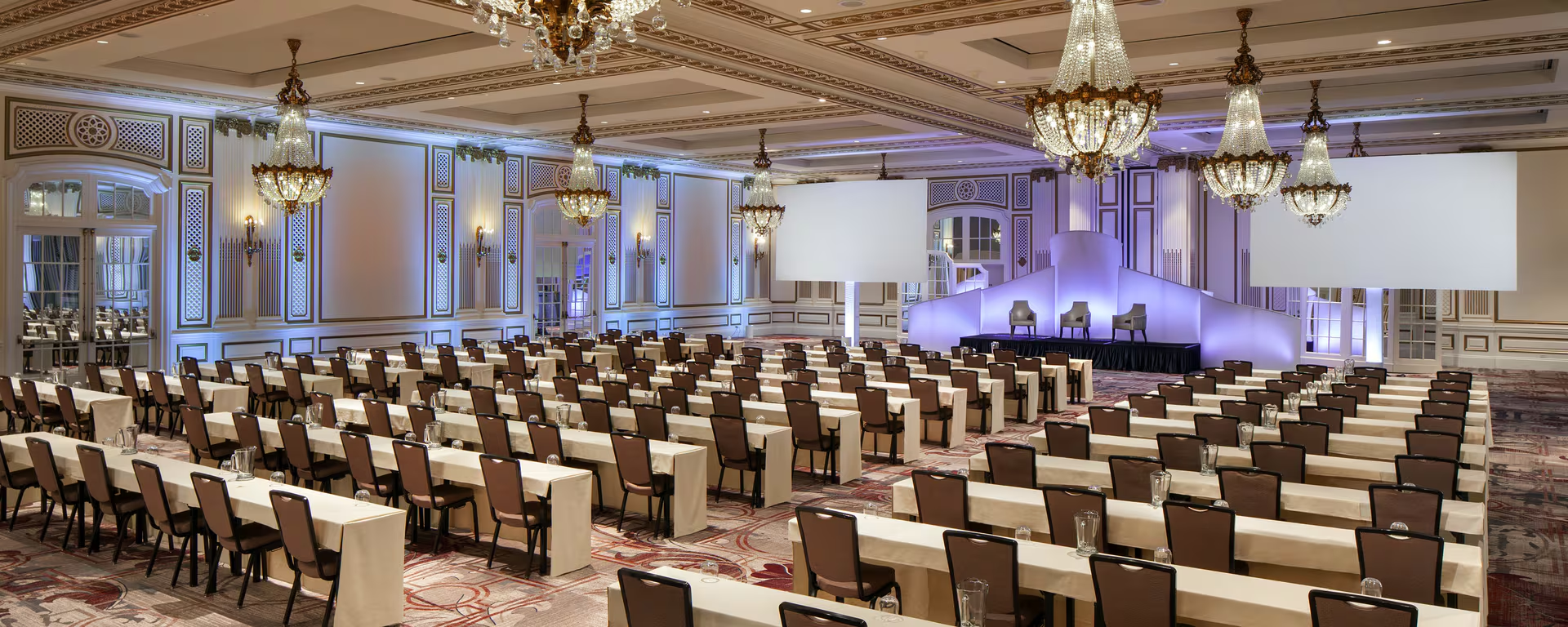
A hotel can look perfect on a site visit, then become difficult the moment 250 delegates arrive at once, a keynote needs a blackout room, or a networking drinks reception overruns into dinner. The best hotel event venues do far more than provide a meeting room and bedrooms. They support the pace, purpose and personality of your event from the first invitation to the final departure.
For corporate teams, that makes venue choice a strategic decision rather than an administrative task. The right hotel can improve attendance, simplify travel, protect the guest experience and give your programme room to breathe. The wrong one can create avoidable queues, compromised production and a delegate experience that feels disjointed, however good the content may be.
Start with the event outcome, not the room capacity
Capacity is essential, but it is not the whole brief. Before approaching hotels, be clear about what the event needs to achieve. A leadership conference requires focus, confidentiality and a setting that supports thoughtful conversation. A product launch may need impact, brand visibility and the freedom to transform a space. An awards dinner needs a polished arrival, a well-paced service plan and enough technical capability to make the stage moment land.
This changes the hotel shortlist quickly. Two venues may each hold 300 people theatre-style, but one may have a generous pre-function area, private arrival route and an adjoining dinner room, while the other relies on a narrow corridor and shared public spaces. On paper they are comparable. In practice, they will deliver very different experiences.
Ask what delegates should think, feel and do at each point of the day. That gives your venue search a proper framework: how people arrive, register, network, learn, eat, move between sessions and leave. It also helps internal stakeholders judge options against the same priorities rather than choosing solely on appearance or headline rate.
What to assess when comparing hotel event venues
A hotel venue needs to work operationally as well as aesthetically. A strong proposal should provide enough detail to understand how the day will run, not simply list room dimensions and a day delegate rate.
Delegate flow and arrival experience
The first 20 minutes set the tone. Consider whether coaches and taxis can set down safely, whether the entrance is easy to find and whether the registration area can accommodate peak arrival without creating a bottleneck. If senior guests, media or VIPs are attending, ask about separate access and discreet holding areas.
Inside, look at the journey between spaces. Delegates should not have to cross a busy restaurant in conference badges, queue for lifts between every session or carry coffee through the main meeting room. For multi-track programmes, proximity matters even more. Rooms that are technically available but located on different floors can make changeovers slow and reduce session attendance.
Meeting space that matches the programme
Room layouts should follow content, not convention. Theatre seating may be right for a keynote, but cabaret can work better for workshops where teams need to write, discuss and collaborate. Check ceiling heights, sightlines, pillar positions, natural light and blackout capability early. These practical details affect screens, staging, cameras and whether every delegate can see the speaker clearly.
Do not overlook the spaces around the main room. Breakouts need to feel purposeful rather than like an afterthought, especially where confidential conversations or client meetings are planned. A well-positioned private dining room may become a speaker green room, a sponsor lounge or an executive meeting space. Flexibility is often more valuable than a slightly larger ballroom.
Bedrooms, service and the overnight experience
For residential conferences, bedrooms are part of the event experience, not an add-on. Confirm the room block, release dates, cancellation terms, room categories and how upgrades or late additions will be managed. If delegates are travelling from different locations, consider early check-in, luggage storage and whether there is a realistic plan for arrivals before rooms are ready.
Service matters just as much. The event manager, banqueting team, front desk and AV partner all influence the delegate experience. Ask who will be present on the day, how handovers are managed across shifts and what support is available outside standard hours. A responsive events team can solve small problems before guests notice them. A poorly briefed team can make even a premium hotel feel impersonal.
Food and beverage that supports the schedule
Catering has a direct effect on energy, networking and perceived quality. A menu may read well, but the key question is whether it can be served efficiently to your group in your available time. A 30-minute lunch break is very different from a relaxed 75-minute networking lunch, and the service format should reflect that.
Discuss dietary requirements, branded touches, arrival refreshments, coffee replenishment and timings in detail. If your dinner follows an awards presentation, for example, the kitchen needs a clear cue from the production schedule. For international audiences, it is also worth considering familiar options alongside local choices and communicating allergens clearly.
Look beyond the day delegate rate
A competitive day delegate rate can be useful, but it rarely represents the final event cost. Production, dedicated Wi-Fi, branding permissions, security, porterage, parking, room hire extensions and late-night staffing can all change the picture. The same applies to minimum food and beverage spends, attrition clauses and charges for bringing in specialist suppliers.
This does not mean hotel packages are poor value. They can be highly effective for straightforward meetings with predictable requirements. The trade-off is that packages can become restrictive when the event involves a significant set build, custom menu, complex registration, live streaming or an evening experience that runs beyond the hotel’s usual schedule.
Request a fully itemised budget and identify what is included, what is provisional and what may trigger additional charges. It is better to have a candid commercial conversation before contract than to try to solve an unexpected cost during delivery.
Production and technology need early attention
Corporate events increasingly combine live content, branded environments and digital participation. That makes technical planning central to the venue decision. Check the in-house AV offer, but also establish whether you can appoint your preferred production partner, what access and rigging rules apply, and whether supplier fees are charged.
Reliable internet is particularly important for registration platforms, live polling, streamed sessions and delegate communications. Ask for the available bandwidth, the number of concurrent users it can support and whether a dedicated line is required. General guest Wi-Fi may be fine for email, but it is not necessarily appropriate for a conference relying on event technology.
Loading access is another frequent pressure point. A venue with limited loading bays, narrow service lifts or strict delivery windows may add time and cost to a build. For a branded conference or launch, assess where scenic elements, furniture, lighting and signage will be stored and installed. The most effective transformations are planned with the hotel’s operations team, not imposed on them late in the process.
Contract terms should protect the event, not just the venue
Once a preferred hotel is identified, the contract deserves careful attention. Review cancellation and attrition schedules, force majeure wording, bedroom cut-off dates, minimum spends, payment milestones and any constraints on external suppliers. If attendance is uncertain, negotiate sensible flexibility around room blocks and catering numbers where possible.
It is also worth confirming exclusivity. Will another large event share the lobby, lifts, bar or entrance at the same time? A competing conference can affect signage, security, noise levels and the sense that your delegates have arrived somewhere designed for them. For high-profile events, privacy and control over public areas may be worth paying for.
A hotel should feel like part of the event design
The strongest hotel choices are not merely convenient. They give the event a natural rhythm. Delegates know where to go, presenters have what they need, meals arrive at the right moment and the spaces support your brand without requiring guests to work hard to understand the day.
This is where experienced venue sourcing adds value. The Event Book assesses the operational realities behind a proposal, from the registration footprint and bedroom allocation to the production schedule and guest journey. A familiar hotel can still reveal new possibilities when the brief is properly shaped.
Choose a hotel that can handle the practical detail, then use its spaces to make the event feel considered. When the venue, programme and service team are working to the same plan, delegates remember the conversations and experiences you created, rather than the logistics behind them.
FAQs
What should I look for when choosing hotel event venues?
Look beyond room capacity. Consider delegate flow, meeting layouts, breakout spaces, accommodation, catering, technology, accessibility, loading access and the overall guest experience.
Are hotel event venues suitable for corporate conferences?
Yes. Hotels can work particularly well for conferences because they can combine meeting rooms, accommodation, catering and event services in one location. The venue should match the programme and production requirements.
How do I compare hotel event venues fairly?
Compare the full event cost, not just the day delegate rate. Include room hire, catering, AV, Wi-Fi, staffing, security, parking, production, supplier fees and any additional charges.
What technology should I check at a hotel event venue?
Check Wi-Fi capacity, dedicated internet, in-house AV, streaming capability, rigging, power, lighting, sound and whether you can use external production suppliers.
What questions should I ask about hotel accommodation?
Confirm room blocks, room categories, release and cancellation dates, check-in arrangements, luggage storage, upgrades and how late additions will be handled.
Why is venue sourcing important for corporate events?
Experienced venue sourcing helps assess the practical details behind a venue, including capacity, guest journeys, production access, catering, accommodation and budget. This can help ensure the chosen hotel supports the event from planning through to delivery.