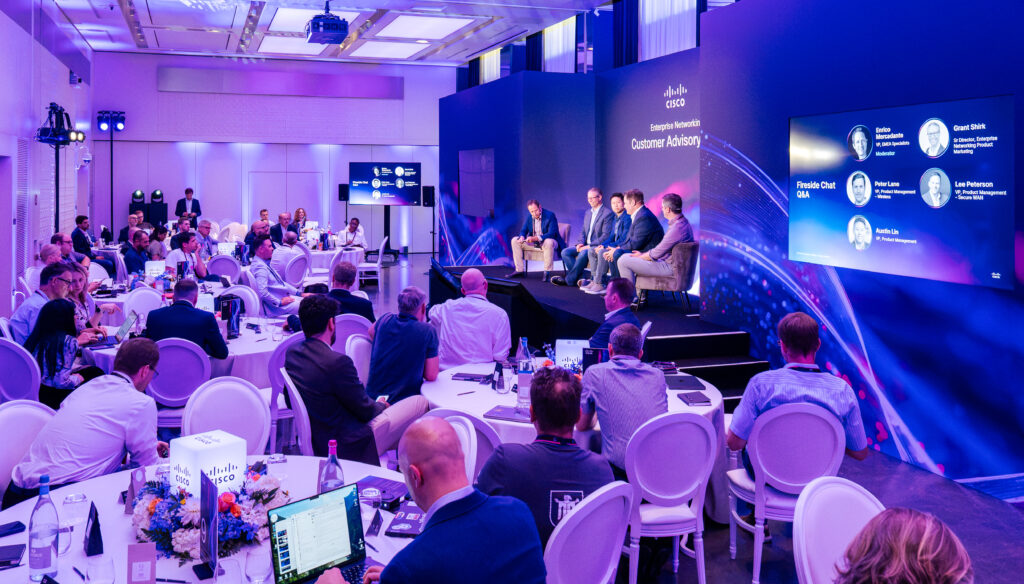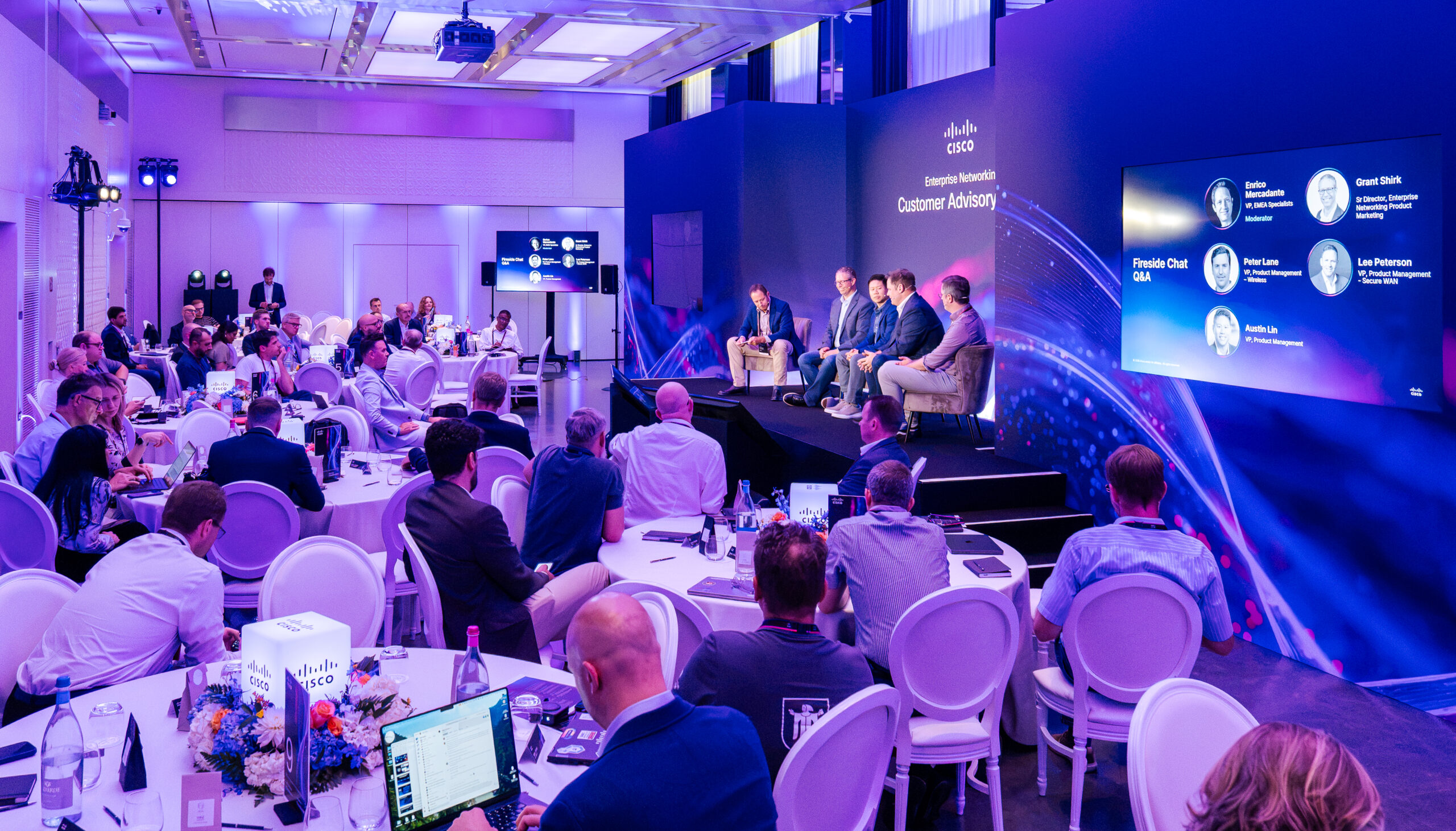
A leadership summit can look deceptively simple on paper: one room, a strong agenda and a group of senior people. In practice, it is one of the corporate event formats where every detail is felt. This executive summit production case study explores how an anonymised, two-day leadership meeting was planned around clarity, confidence and the practical realities of busy delegates.
The brief was not to create a show for its own sake. It was to bring together senior leaders from across a growing organisation, align them behind a changing business direction and give them useful time with one another away from day-to-day pressures. The event needed to feel considered and premium, while remaining focused, credible and easy to navigate.
The brief: a summit with real business purpose
The client needed a Central London setting for approximately 140 leaders travelling in from across the UK and Europe. The programme included a full-day conference, an evening dinner and a second morning of workshops, with the CEO and executive team leading much of the content.
There were several competing requirements. The venue needed a plenary room with good sightlines, adjacent space for breakouts, a private area for speakers and enough room for registration without guests queuing into the main arrival route. It also needed to be accessible from major rail terminals and suitable for discreet, reliable production.
The budget was meaningful, but it was not unlimited. That distinction shaped the recommendation. An iconic venue can give a summit immediate impact, but it may bring restrictions around access, catering, branding and rehearsal time. A five-star hotel can simplify bedrooms and delegate movement, but conference spaces can sometimes feel less distinctive. In this case, a contemporary Central London event venue offered the right balance of character, flexibility and operational control.
Executive summit production case study: building the event from the agenda out
The production conversation began before the stage design. The agenda determined the room plan, not the other way round.
The first afternoon was designed around high-level direction and decision-making, so the plenary needed a focused theatre layout with a clean central stage, large presentation screens and camera coverage for later internal use. The following morning required participation. The room was reset overnight to support facilitated tables and practical workshops, with a clear route from plenary messages to smaller-group action.
This approach prevented a common problem: investing in an impressive conference set that does not support how people are actually expected to listen, contribute or make decisions. Senior audiences notice when a room has been designed for photographs rather than the programme.
Production that supported the speakers
The visual identity was deliberately restrained. A branded holding slide, event wayfinding, lectern branding and carefully placed digital content gave the summit a coherent look without making the venue feel over-dressed. The aim was to make the leadership team feel prepared, rather than to compete with their content.
The AV specification included confidence monitors, a comfort monitor for timing, lectern microphones, roaming microphones for audience questions and discreet stage lighting. A professional show caller worked to a detailed running order, coordinating speaker walk-ons, presentations, video playback, lighting cues and changes between sessions.
This was particularly important because the agenda involved several leaders with different presentation styles. Some preferred a fixed lectern, some wanted to move around the stage, and one panel needed conversational seating. Each option affects sightlines, microphone choice and camera framing. These details are not glamorous, but they are where confidence is built or lost.
A proper technical rehearsal gave speakers time to test slides, understand the stage and practise the transitions that mattered most. Not every executive wants a long rehearsal, and schedules are often tight. Even a short, well-managed rehearsal is far better than discovering a slide format issue or unfamiliar clicker five minutes before a keynote.
Delegate experience beyond the conference room
Production was only one part of the guest experience. Delegates began forming an opinion of the summit from the moment they received their joining instructions.
Clear pre-event communications covered travel, timings, venue entry, dress code, dietary requirements and the purpose of the event. On site, a well-positioned registration team offered a calm welcome, while simple signage reduced the need for guests to ask where they should be next.
Refreshments were planned around the agenda rather than squeezed into it. The morning break followed a content-heavy session, so it needed to be close to the plenary space and quick to access. Lunch was designed to encourage informal conversations between departments, with enough seating to avoid the familiar corporate-event problem of guests balancing a plate while trying to network.
The evening dinner was held in a separate space within the same venue. This reduced transport requirements and allowed delegates to move naturally from business content into a more relaxed setting. A hosted drinks reception, good food, thoughtful table planning and a short live music moment created a change of pace without turning the evening into something overly formal or forced.
What changed when planning began early
The summit benefitted from early venue and supplier decisions. That gave the team time to resolve practical issues that are often left until too late.
The first was access. Production equipment, staging and screens required a timed load-in, while the venue also had routine deliveries and other building users to consider. Confirming the access schedule early avoided expensive waiting time for crew and kept the event build calm.
The second was content management. With multiple presenters contributing slides, version control could easily have become difficult. A clear deadline, presentation template and single content lead meant the final deck could be checked for formatting, embedded video and font issues before show day.
The third was delegate data. Registration information, dietary requirements and accessibility needs were captured in one place and checked against venue catering and rooming information. This is less visible than stage production, but it is a direct reflection of how well cared for guests feel.
There were trade-offs throughout. More complex staging would have increased visual impact but reduced workshop space and consumed more budget. A larger evening entertainment programme might have been appealing, but the client wanted leaders to have time for genuine conversation. The choices stayed anchored to the summit’s purpose rather than adding elements simply because they were available.
The result: a summit that felt controlled, not over-produced
The strongest outcome was not a single visual moment. It was that the event ran with enough pace and polish for leaders to focus on the business in front of them.
Sessions started on time. Speakers knew where to be and what was expected. Delegates could move between spaces without confusion. The executive team had a production partner handling live decisions behind the scenes, from a late slide amendment to a change in workshop numbers.
That level of control is particularly valuable at senior events. When leaders are giving up valuable time, an uncertain registration process, poor audio or an unclear agenda can undermine confidence quickly. Conversely, a well-run summit creates the conditions for honest discussion, stronger internal relationships and meaningful follow-through after delegates leave the room.
What this means for your next leadership event
If you are planning an executive summit, begin with the outcome you need from the room. Is the priority alignment, decision-making, recognition, culture change or practical action? The answer should guide venue selection, agenda structure, production design and the way you look after delegates.
It is also worth being realistic about where complexity sits. A one-day summit with 100 guests can involve venue contracting, speaker management, presentation collation, AV, catering, accessibility, registration, branding, photography, travel and on-site delivery. Having one experienced point of contact, one contract and one invoice can remove a considerable amount of pressure from an internal team.
The Event Book provides complimentary venue sourcing and full event management for corporate summits in London, across the UK and internationally. If your event brief needs a safe pair of hands, call us on 020 7523 5046 or email events@theeventbook.uk. We respond within two hours, Monday to Friday, 9am to 6pm.
A successful summit should leave people with more than a smart event experience. It should give them a clearer sense of what matters next and the confidence to act on it.
FAQs
What is executive summit production?
Executive summit production covers the planning and technical delivery needed for a leadership event, including room layout, AV, stage design, speaker support, rehearsals, content management and on-site coordination.
What should an executive summit production plan include?
A strong plan should cover the event agenda, venue layout, presentation screens, microphones, lighting, speaker requirements, technical rehearsal, delegate flow and contingency arrangements.
Why is AV important for an executive summit?
Reliable AV helps senior speakers present clearly and keeps sessions running smoothly. The case study used confidence monitors, microphones, stage lighting, a show caller and technical rehearsal to support the programme.
How early should executive summit production planning begin?
Starting early gives the team time to confirm venue access, supplier schedules, presentation content, delegate data and technical requirements before the event day. The case study shows how early planning helped resolve access, content and registration issues.
How can an event team improve the executive summit experience?
Clear joining information, calm registration, well-planned refreshments, easy movement between spaces and thoughtful speaker support can make the day easier for senior delegates.
When should a company use an event management partner for an executive summit?
External support can help when the event involves venue sourcing, speaker management, AV, catering, accessibility, registration, travel and on-site delivery. One experienced contact can reduce pressure on an internal team.