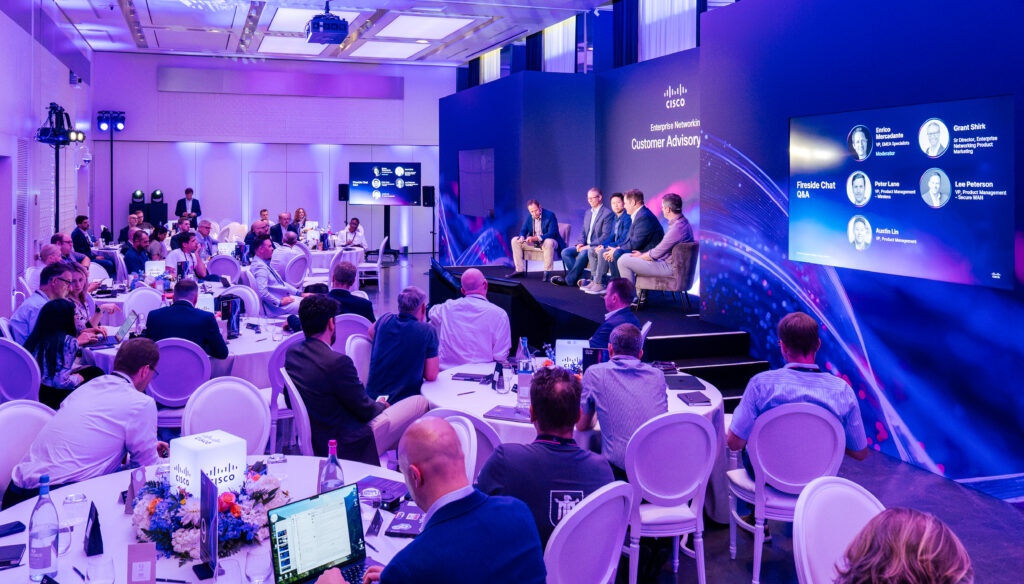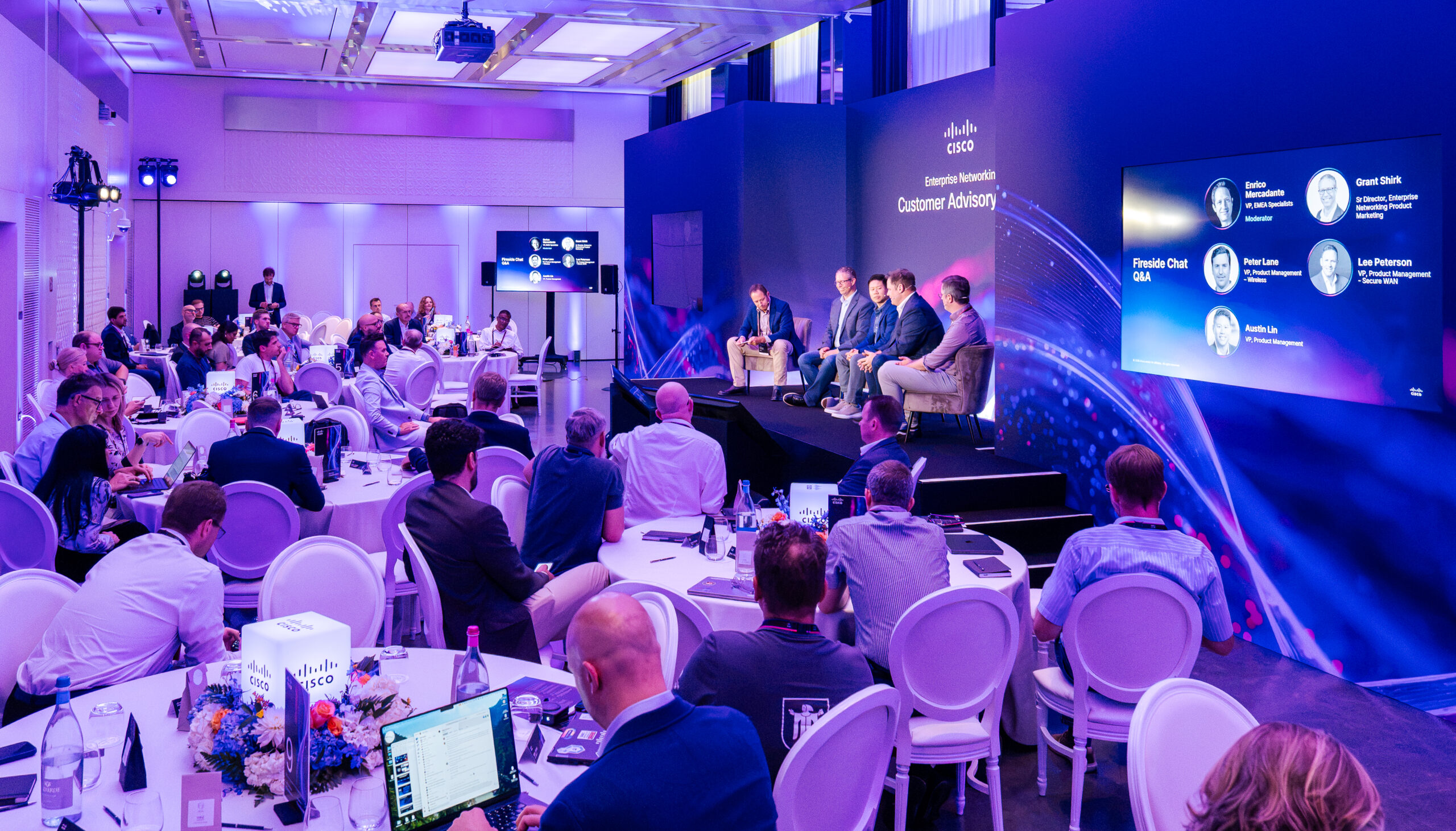
A good event branding specification guide prevents the familiar last-minute questions: Which logo version is going on the stage? Is the registration desk wide enough for the proposed graphic? Who is approving the sponsor artwork? And has anyone considered what guests will see from the back of the room?
For a corporate conference, awards dinner, product launch or company celebration, branding is not simply a set of logos sent to a printer. It is a practical plan for how your brand will appear at every guest touchpoint, within the limits of the venue, production schedule and available budget. Get it right early and the event feels considered. Leave it vague and even excellent creative can become expensive, inconsistent or impossible to install safely.
Start with the guest journey, not the artwork
The strongest event branding begins with a simple question: what should guests know, feel or do at each stage of the event?
A leadership conference may need guests to feel informed and focused from the moment they arrive. That could mean clear exterior wayfinding, a purposeful registration area, agenda screens and a stage design that gives senior speakers appropriate presence. A gala dinner may place more emphasis on anticipation, guest photography and an elegant reveal as people enter the dining room.
Map the journey from invitation and arrival through registration, networking, main content, catering areas and departure. This helps distinguish essential branding from decoration. Entrance signage, directional graphics and stage content usually serve a clear operational purpose. A branded bar front or bespoke hanging installation might be worthwhile if it supports the creative idea and guest experience, but it should not displace spend needed for AV, catering or staffing.
For multi-room London venues, this exercise is especially valuable. Historic buildings can have restricted fixing points, protected surfaces, narrow access routes and public-facing entrances. Contemporary spaces may offer more flexibility but still require careful consideration of sightlines, power and rigging.
What an event branding specification should include
A useful specification gives your event agency, venue, production partner and print supplier the same working information. It does not need to be a weighty document, but it must be specific enough for people to price, produce and install accurately.
1. Event objectives and non-negotiables
Set out the event name, date, venue, audience size and the primary purpose of the event. Explain whether the priority is employee engagement, client hospitality, a product announcement, lead generation, internal communications or sponsor visibility.
Then identify the elements that cannot be compromised. This could be a campaign lock-up, accessibility requirements, a named sponsor, a particular colour palette or a keynote stage reveal. These decisions give suppliers a clear hierarchy when the budget or venue restrictions require choices.
2. Brand assets and approval process
Provide approved logos in suitable formats, brand guidelines, typefaces, colour references and any campaign imagery. Specify which assets are mandatory and which are optional. A pixelated logo on a large LED screen or a last-minute substitution of an unapproved font can undermine an otherwise polished event.
Just as important is agreeing who signs off artwork. Name one final approver and set deadlines for first visuals, amends and print release. Corporate events often involve marketing, internal communications, leadership teams and external partners. Without a clear approval route, small changes can hold up production or create avoidable rush charges.
3. A location-by-location branding schedule
This is the working heart of the document. Record every proposed item, where it will sit, its purpose, dimensions, material, artwork owner, supplier and installation timing.
For example, registration may require two branded desk fronts, a welcome wall, queue management signage and digital check-in screens. The conference room may need a stage set, lectern branding, comfort monitors, holding slides and aisle or door signage. A dinner space could include table plans, menu cards, projection, table numbers and a photo moment.
Do not assume a venue floorplan tells the full story. Request elevations, photos and a site visit where possible. A graphic that looks appropriately sized on a plan can be lost against a high ceiling, ornate architecture or a room full of 500 guests.
4. Production details that affect the final result
Branding and production must be planned together. The chosen screen format determines the artwork ratio. The stage set affects where logos can appear. Lighting can make a carefully selected colour look entirely different, while camera positions may reveal unfinished scenic backs or obstructed signage.
Specify screen resolutions and content formats, whether graphics are static or animated, and who is responsible for loading and testing content. For printed items, include finished sizes, substrates, mounting method and whether the item must be recyclable, reusable or fire-rated.
There is often a trade-off between impact and practicality. Full vinyl wraps can transform a space, but they need clean surfaces, time for fitting and removal, and venue permission. Freestanding fabric frames are quicker and often more reusable, though they may not suit every creative direction. Your choice should reflect the event format, venue rules and how long the branding needs to work hard.
5. Accessibility, wayfinding and inclusion
Branding should make the event easier to navigate, not harder. Use clear contrast, legible type sizes and simple language for directional signage. Consider seating access, step-free routes, dietary signage, quiet spaces, cloakroom information and accessible toilet directions.
Digital content needs the same care. Avoid dense slides, tiny disclaimers and visual treatments that are difficult to read from a distance. If video content includes key spoken information, captions may be appropriate. These details benefit every guest, particularly in busy venues where people are arriving under time pressure.
Budget for the things guests actually notice
A branding budget is rarely only a print budget. It may include creative development, artwork adaptation, scenic build, large-format print, installation labour, venue restrictions, electrical work, AV playback, storage, dismantle and waste removal.
If the budget is tight, prioritise the arrival, the main event room and the moments that will be photographed or filmed. A well-designed welcome point, clear registration and strong stage treatment generally make more impact than scattering small branded items across every surface.
It also pays to ask what can be reused. Fabric graphics, modular frames, digital content templates and unbranded scenic elements can often be retained for future events. Conversely, highly bespoke structures may be right for a major launch or annual awards ceremony, but less sensible for a one-day internal meeting with a limited audience.
Build enough time into the event plan
Branding is frequently delayed because it relies on information that arrives late: the final agenda, speaker list, sponsor confirmation, menu choices or guest numbers. The specification should include a production timetable that works backwards from the event date.
Allow time for venue approval, measurements, artwork creation, proofing, printing, delivery, installation and a final walk-through before doors open. Large venues may impose delivery slots, security procedures and restrictions on loading bays. Some items can only be installed overnight or once other suppliers have completed their work.
A pre-opening check should cover more than whether the logos are straight. Walk the guest route. Check that signs are visible when doors are open, that screen content is legible under show lighting, that no branded surface is hidden by furniture, and that there is a plan for replacing damaged or missing items.
Keep one person accountable for the whole picture
The event branding specification works best when one experienced person connects the creative ambition with venue realities, supplier quotes and on-site delivery. That does not mean every decision needs to be centralised, but it does mean someone should spot conflicts before they reach the loading bay.
At The Event Book, we coordinate branding alongside venue, production, catering and guest logistics, so clients have one experienced point of contact, one contract and one invoice. Whether you need complimentary venue sourcing or full event management, your event brief is in safe hands.
If you are planning a corporate event and need help turning your campaign idea into a practical, costed branding plan, Send us your enquiry.
Speak to a real person. Call us on 020 7523 5046 or email your event brief to events@theeventbook.uk. We respond within 2 hours, Monday to Friday, 9am-6pm.
The most memorable event branding rarely comes from adding more logos. It comes from making every visible detail feel intentional, useful and true to the experience you want guests to take away.
FAQs
What is an event branding specification?
An event branding specification sets out the visual and practical requirements for using a company’s brand across an event.
What should an event branding specification include?
It can cover logos, colours, fonts, signage, printed materials, digital screens, stage graphics, wayfinding and other branded event assets.
Why is an event branding specification important?
A clear specification helps suppliers follow the same brand standards and keeps the event looking consistent across the venue and guest communications.
What branding should be included at a corporate event?
Depending on the event, branding may include welcome signage, registration areas, stage screens, table materials, directional signs, presentation graphics and digital content.
Who should manage event branding requirements?
The internal brand or marketing team can approve the visual direction, while an event agency or production team can coordinate the practical delivery with suppliers and the venue.
How early should event branding be planned?
Branding should be planned early enough to allow time for design approval, production, venue checks and installation before the event.