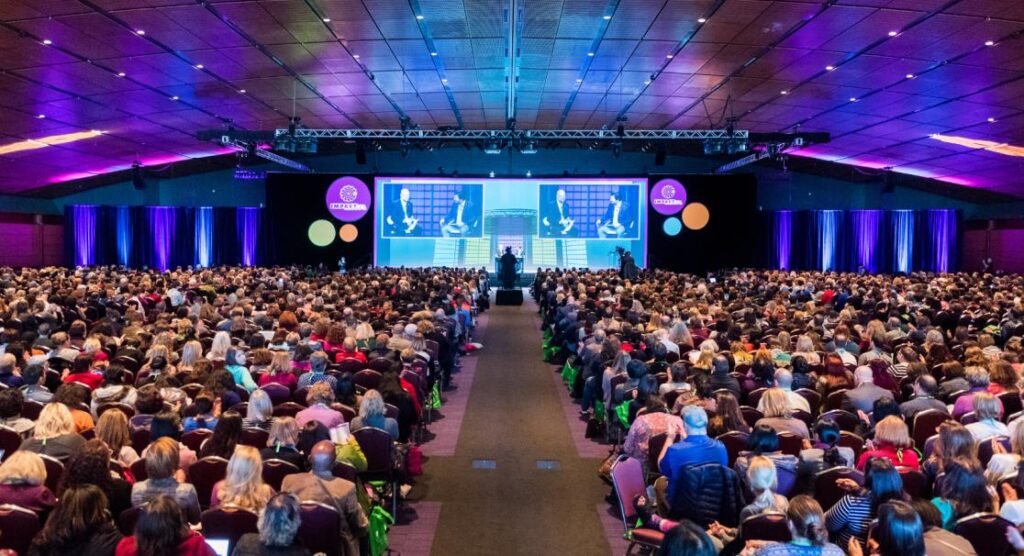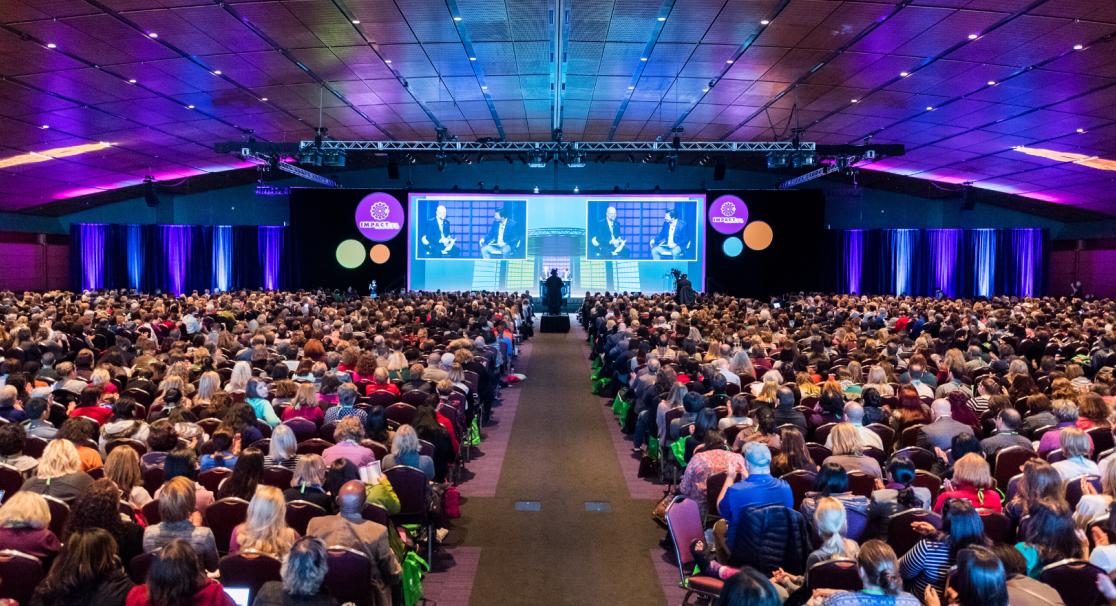
A 250-person conference can look straightforward on paper: find a Central London venue, arrange catering, book speakers and invite delegates. In practice, the decisions made in the first few days affect attendance, budget, delegate experience and how calmly the event runs onsite. This conference planning example shows how to turn an initial idea into a workable brief, a focused venue shortlist and a well-managed event.
The scenario is a one-day leadership conference for 250 delegates, followed by drinks and networking. The company has delegates travelling from across the UK and a number of international guests. It wants a location with good transport links, a professional main room, space for breaks and an evening reception without moving everyone elsewhere.
Conference planning example: start with the outcome
Before looking at venues, establish what the conference needs to achieve. A leadership event may need to inform employees about a new strategy, but it may also be designed to build confidence, encourage discussion and create time for teams to meet people they do not usually work with. Those aims shape the format.
For this example, the organiser wants an opening presentation, two panel discussions, small-group workshops and a drinks reception. That immediately rules out venues that can only offer a theatre-style room with a narrow foyer. The space needs to support formal content and genuine interaction.
The first practical question is whether all 250 delegates will attend the full day. If attendance is likely to fluctuate, it can be sensible to plan catering and room sets around a realistic number rather than the invited total. Equally, if senior leaders, clients or partners are attending, the arrival experience and registration area may need more care than a standard internal meeting.
A useful conference brief should cover the essentials:
- preferred date, with alternatives where possible
- guest numbers at peak points in the day
- location and travel considerations
- agenda, room layouts and breakout requirements
- catering expectations and dietary needs
- AV, staging, branding and filming requirements
- budget range, including whether it covers production and service charge
A complete brief saves time at every later stage. It allows venues to give meaningful availability and indicative costs, rather than returning a broad package that does not match the event.
The venue brief in practice
For the 250-delegate conference, a suitable brief may ask for a Central London venue with a theatre-style plenary room, three breakout spaces for 40 to 80 people, a registration and exhibition area, and a separate or adaptable space for drinks. The organiser also needs reliable in-house AV or permission to bring in a production partner, accessible entry, cloakroom capacity and nearby accommodation for travelling guests.
These details matter because two venues with the same headline capacity can feel very different. One may hold 250 in theatre layout but leave little space for a stage, cameras or a confidence monitor. Another may have excellent plenary capacity but place breakouts on different floors, making session changes slow and confusing. A historic venue can create impact, while a purpose-built conference facility may make logistics easier. Neither is automatically the better choice.
Budget needs similar context. Day delegate rates can be useful for comparison, but they do not always include evening drinks, upgraded catering, additional furniture, security, cloakroom staff, technical production or branding. Asking what is included, and what will be charged separately, gives a more realistic picture before a venue is placed in front of stakeholders.
How free venue sourcing saves time
A corporate organiser could contact dozens of venues individually, chase replies and try to compare proposals that use different formats and assumptions. That work can take days, particularly when dates are popular or the brief includes several rooms and technical requirements.
The Event Book provides free venue finding across London, the UK and internationally. A real person responds to every enquiry, so clients speak directly with an experienced event professional who can understand the brief, ask useful questions and contact appropriate venues on their behalf.
With more than 20 years of venue-finding experience and direct relationships with London and international venues, our team can distinguish between an option that simply meets a capacity figure and one that will work operationally. We check availability, gather indicative costs and present a focused shortlist, saving clients from starting with a long, unfiltered search.
Once we receive a complete brief, we aim to provide preferred venue options, availability and indicative costs within two working hours. This depends on how quickly venues respond and on the complexity of the enquiry. A straightforward private dining request for 25 guests can often move quickly; a multi-day conference, exhibition or international programme may require more detailed checks.
Our service is completely free to clients. It can be used as a standalone venue search or as the starting point for full event management, from production and catering to delegate management and onsite delivery.
Comparing the shortlist properly
For this conference planning example, the shortlist should not be judged on room hire alone. A good comparison considers the full delegate journey: how guests arrive, register, find the plenary room, move into workshops, take breaks and leave after the reception.
Start with location. A venue near major rail stations may be more valuable than one with a lower room-hire fee if it reduces travel time for national and international delegates. Then look at the room flow. Can 250 people comfortably register without a queue stretching into the street? Is there enough space for coffee breaks, sponsor tables or product displays? Can the drinks reception happen in the same venue without disrupting the final session?
Technical provision deserves close attention. A venue’s included screen and projector may be perfectly adequate for a simple presentation, but a senior conference often benefits from a stage set, confidence monitors, branded holding slides, lighting and a technician dedicated to the show. If the conference includes hybrid participants, filming and sound requirements need to be agreed early, not added days before the event.
Catering is another practical differentiator. Consider service speed, dietary provision and where delegates will eat. A plated lunch may suit a formal audience but takes longer than a well-planned buffet or food-station format. For an agenda with several sessions, keeping breaks close to the plenary room helps maintain energy and reduces late returns.
Turning a venue into an event
Once the venue is confirmed, the planning moves from selecting a space to making every part of the day work together. The event schedule should allow time for registration, speaker rehearsals, room resets and breaks that are long enough for 250 people to move comfortably.
For the sample conference, registration opens 45 minutes before the first session. Speakers arrive earlier for a technical check and a short briefing on stage entrances, clickers and session timings. The production team prepares presentation files in advance, with a final version controlled by one agreed contact. This avoids the common problem of multiple last-minute edits arriving from different departments.
Workshop sessions should be designed around the rooms available. If the aim is discussion, cabaret or classroom layouts may work better than theatre seating. If teams need to report back, each breakout needs the right screen, microphones or flipcharts. Small decisions such as this can determine whether a workshop feels purposeful or hurried.
A clear onsite plan also identifies who makes decisions if something changes. The venue manager, event lead, AV team, catering contact and client representative should know the running order and escalation process. One experienced point of contact is particularly valuable when timing, production, catering and guest queries overlap.
When full event management is the right choice
Some clients want a venue shortlist and prefer to manage the rest internally. That can work well for a straightforward event with an experienced in-house team. Others need support with the full programme, especially where there are multiple stakeholders, complex production, VIPs, accommodation, travel or an evening element.
The Event Book is a boutique, senior-led corporate event management agency based in London, planning and delivering events across the UK and internationally. Alongside venue sourcing, we can coordinate catering, AV, production, branding, entertainment, accommodation, guest management and onsite delivery. This can provide one experienced point of contact, one contract and one invoice, while keeping the event brief in safe hands.
The best conference venue is not necessarily the largest, newest or most recognisable. It is the one that supports your agenda, makes delegates feel considered and gives your team the confidence to focus on the content rather than chasing suppliers.
Send us your complete brief and we aim to provide a shortlist of preferred options, availability and indicative costs. Speak to a real person. Call us on 020 7523 5046 or email your event brief to events@theeventbook.uk. We respond within 2 hours, Monday to Friday, 9am-6pm.
FAQs
What is an example of conference planning?
A conference planning example might include setting objectives, agreeing on a budget, selecting a venue, booking speakers, arranging AV and catering, managing registration and preparing an event-day schedule.
What are the main steps in planning a conference?
Define the purpose and audience, set the budget, choose the date and venue, confirm speakers, plan the programme, arrange suppliers and manage delegate communications.
How far in advance should you start planning a conference?
The timeline depends on the size and complexity of the event. Larger conferences usually need more preparation for venue bookings, speaker commitments, production and delegate registration.
What should a conference planning checklist include?
Include objectives, budget, venue, speakers, agenda, registration, AV, catering, accessibility, transport, staffing, contingency plans and follow-up tasks.
What should a corporate conference agenda look like?
A typical agenda may include registration, opening remarks, keynote presentations, panel discussions, networking breaks, lunch and closing remarks. Adjust the timings to suit the conference objectives and audience.
How do you keep a conference on schedule?
Create a realistic running order, assign responsibilities, brief speakers and suppliers, allow time for transitions and appoint someone to manage timings on the day.