A company away day can be the moment a team reconnects, solves a difficult problem or simply enjoys being together away from the usual routine. It can also become an expensive day of travel, awkward icebreakers and rushed presentations if the purpose has not been agreed early. Knowing how to plan company away day starts with a clear decision about what people should leave feeling, knowing or able to do differently.
For HR, People & Culture teams, EAs and in-house event planners, the best away days balance business value with genuine enjoyment. The venue, agenda, food and travel arrangements all matter, but they should support the objective rather than dictate it.
Start with the outcome, not the activity
Before searching for venues or suggesting team-building activities, agree why the away day is happening. Is the business bringing together newly merged teams? Does leadership need space to share plans for the year? Is the priority recognising good work, improving collaboration or giving a dispersed workforce time to build relationships?
A useful brief sets out one primary objective and two or three supporting outcomes. For example, a leadership team may want colleagues to understand a new strategy, contribute practical ideas and spend unstructured time with people outside their usual department. That is a stronger starting point than simply asking for “something fun for 100 people”.
This decision shapes the whole event. A strategy-focused day may need a theatre-style plenary room, smaller breakout spaces and reliable AV. A relationship-building day may benefit from a more informal setting, shared activities and a relaxed dinner. Many events need both, but the balance should be deliberate.
Set a realistic budget and guest list
Away-day budgets are often assessed as a single per-person figure, yet the venue hire is only one part of the cost. Include catering, drinks, AV, production, activities, transport, accommodation where required, event staffing and contingency. If senior leaders are presenting, allow for rehearsal time and presentation support as well.
Be clear about who needs to attend. A 30-person leadership retreat can work well in a private dining room with an adjoining meeting space. A 250-person company gathering needs a very different venue, arrival plan and format. Consider accessibility requirements, dietary needs, working patterns, travel distances and whether guests are travelling from other UK offices or internationally.
Timing affects both attendance and cost. Midweek dates are usually easier for business attendance, while popular spring and summer dates can be in demand at country-house venues and activity-led locations. If the event needs to take place outside London, factor in coach transfers, rail reliability and the practicalities of getting everyone back home at the end of the day.
How to plan a company away day venue brief
A complete venue brief saves time and leads to better recommendations. It should cover the date or date range, guest numbers, budget, preferred location, format, timings and any non-negotiables. Explain whether the event needs a main meeting room, breakouts, outdoor space, private dining, bedrooms or a late finish.
It also helps to describe the atmosphere you want. “Professional but not corporate”, “a central London setting with character” or “a countryside venue within 90 minutes of the office” gives an experienced venue finder useful direction. If your team has enjoyed or disliked a previous venue, say why. It may be the service, layout, travel time, food or lack of privacy that matters most.
The Event Book provides free venue sourcing for clients in London, across the UK and internationally. Once a complete brief is received, our team aims to provide a focused shortlist of preferred options, availability and indicative costs within two working hours. The timing can depend on how quickly venues respond and on the complexity of the enquiry, particularly for larger events, multi-day programmes or dates with limited availability.
Every enquiry is handled by a real person with venue-finding experience. Rather than contacting dozens of spaces yourself, you can speak directly with an event professional who will ask the useful questions, approach appropriate venues and explain the practical differences between the options. With over 20 years of venue-finding experience and direct relationships with London and international venues, we can help assess whether a space is genuinely suitable, not just attractive in photographs.
Choose a format people will value
The strongest company away days avoid trying to fit too much into one day. A packed agenda can leave little room for conversation, reflection or the informal connections that often make an away day worthwhile.
For a one-day event, a simple structure usually works well: a clear opening that gives context, focused working sessions, an energising shared experience and time to socialise. Keep presentations concise and use different formats throughout the day. A panel discussion, facilitated workshop or team challenge can create more participation than a sequence of slide-heavy updates.
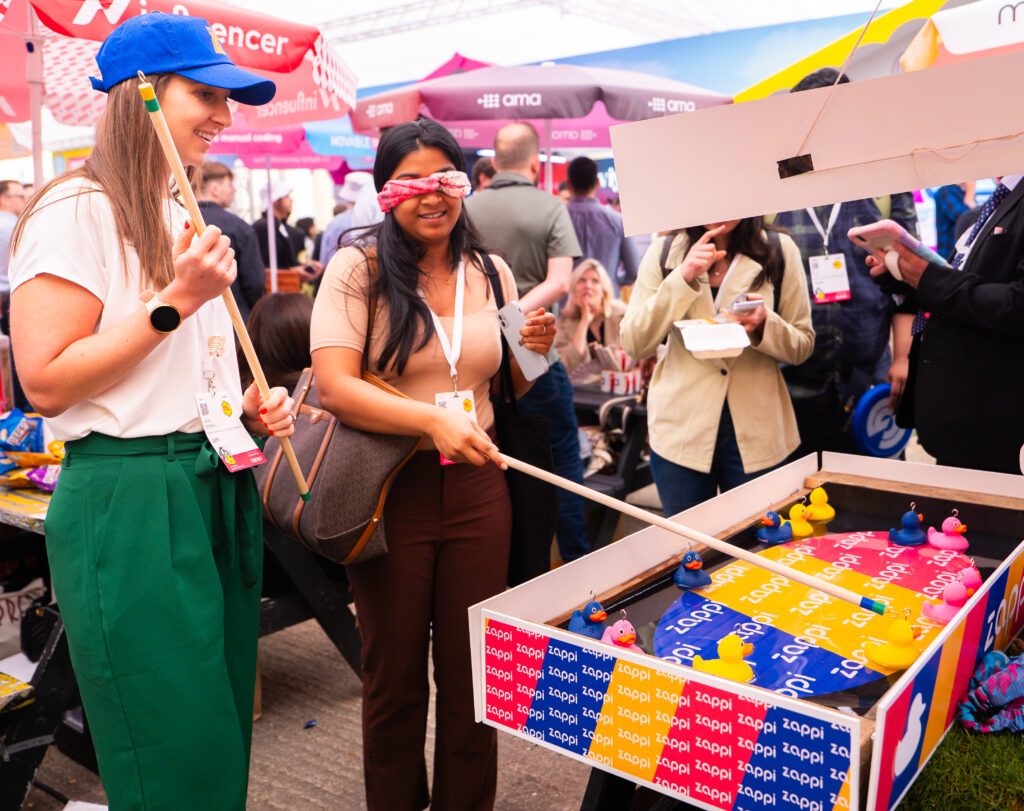
The activity should suit the team rather than follow a trend. Creative workshops, volunteering projects, problem-solving challenges, cookery sessions and outdoor activities can all work, but only if they are inclusive and proportionate to the event’s purpose. Consider whether everyone can participate comfortably and whether the activity will feel relevant to a mixed group of personalities, ages and physical abilities.
For teams who rarely meet in person, protected social time is often more valuable than another formal session. A long lunch, guided local experience or informal drinks reception can give colleagues the chance to make connections naturally. Conversely, if the business has a specific decision to make, ensure there is enough facilitated time to reach it.
Build in the practical details early
A good venue can still create a difficult day if arrival, registration and room changes have not been considered. Check how guests will enter the building, whether there is space for registration, where coats and luggage can be stored, and how long it takes to move between rooms. For larger groups, staggered lunch service or multiple food stations may prevent queues eating into the programme.
AV should be planned around the content. Confirm screen sightlines, microphone requirements, Wi-Fi capacity, lighting, staging and whether hybrid participation is needed. If the agenda includes interactive polling, video content or remote speakers, test the technology in advance rather than relying on the venue’s standard set-up.
Catering deserves more attention than it often receives. A working lunch may be right for a short agenda, but a seated meal can be valuable where relationship-building is a priority. Ask about dietary provision, service speed, tea and coffee locations and the timing of refreshments. Small details such as proper signage, water on tables and sufficient seating make guests feel considered.
Give ownership to the right people
Even a straightforward away day needs a clear decision-maker. Agree who signs off the venue, who owns the agenda, who approves spend and who will communicate with attendees. Last-minute uncertainty often comes from too many stakeholders giving input without anyone holding the final brief.
If you are using an external event partner, decide where their responsibility starts and ends. Venue finding can be used as a standalone free service, or a senior-led team can manage the wider event, including suppliers, catering, activities, branding, guest management, production and on-site delivery. For complex events, having one experienced point of contact, one contract and one invoice can make the process much easier for the internal team.
Measure more than attendance
A full room is encouraging, but it does not prove the event met its objective. Decide how you will assess success before the day takes place. This could be a short post-event survey, facilitated feedback, participation levels, follow-up actions or a leadership debrief.
Ask questions that relate directly to the purpose: did colleagues understand the strategy, meet people they would not usually work with, or leave with clear actions? This feedback will make the next event easier to plan and helps demonstrate value internally.
Your event brief is in safe hands. Send us your complete brief and we aim to provide a shortlist of preferred options, availability and indicative costs. Speak to a real person. Call us on 020 7523 5046 or email your event brief to events@theeventbook.uk. We respond within 2 hours, Monday to Friday, 9am-6pm.
FAQs
How do you plan a successful company away day?
Start by setting clear objectives, choosing a suitable date and venue, agreeing on a budget and organising activities that meet the team’s needs. Plan catering, transport and communications as part of the schedule.
What should be included in a company away day?
A company away day can include team activities, workshops, strategy sessions, shared meals, networking and informal social time. The programme should reflect the purpose of the event.
How far in advance should you plan a company away day?
Start planning early enough to secure the preferred venue and suppliers. Larger groups, popular dates and events involving overnight accommodation may require more preparation.
How do you choose a venue for a company away day?
Consider location, travel time, guest numbers, budget, meeting facilities, activity spaces, catering, accessibility and accommodation requirements.
How much does it cost to organise a company away day?
Costs depend on the venue, group size, activities, catering, transport, accommodation and level of event support. Prepare a budget that accounts for all these elements and a contingency.
How can you make a company away day worthwhile for employees?
Give the day a clear purpose, involve employees in the planning where appropriate, choose inclusive activities and balance structured sessions with opportunities to connect informally.