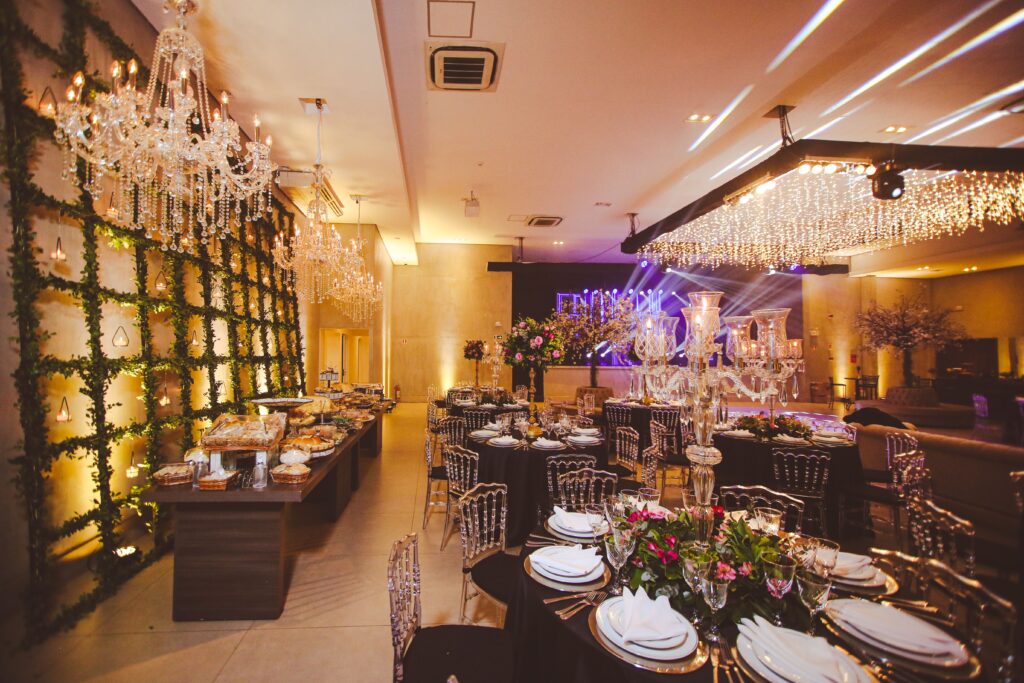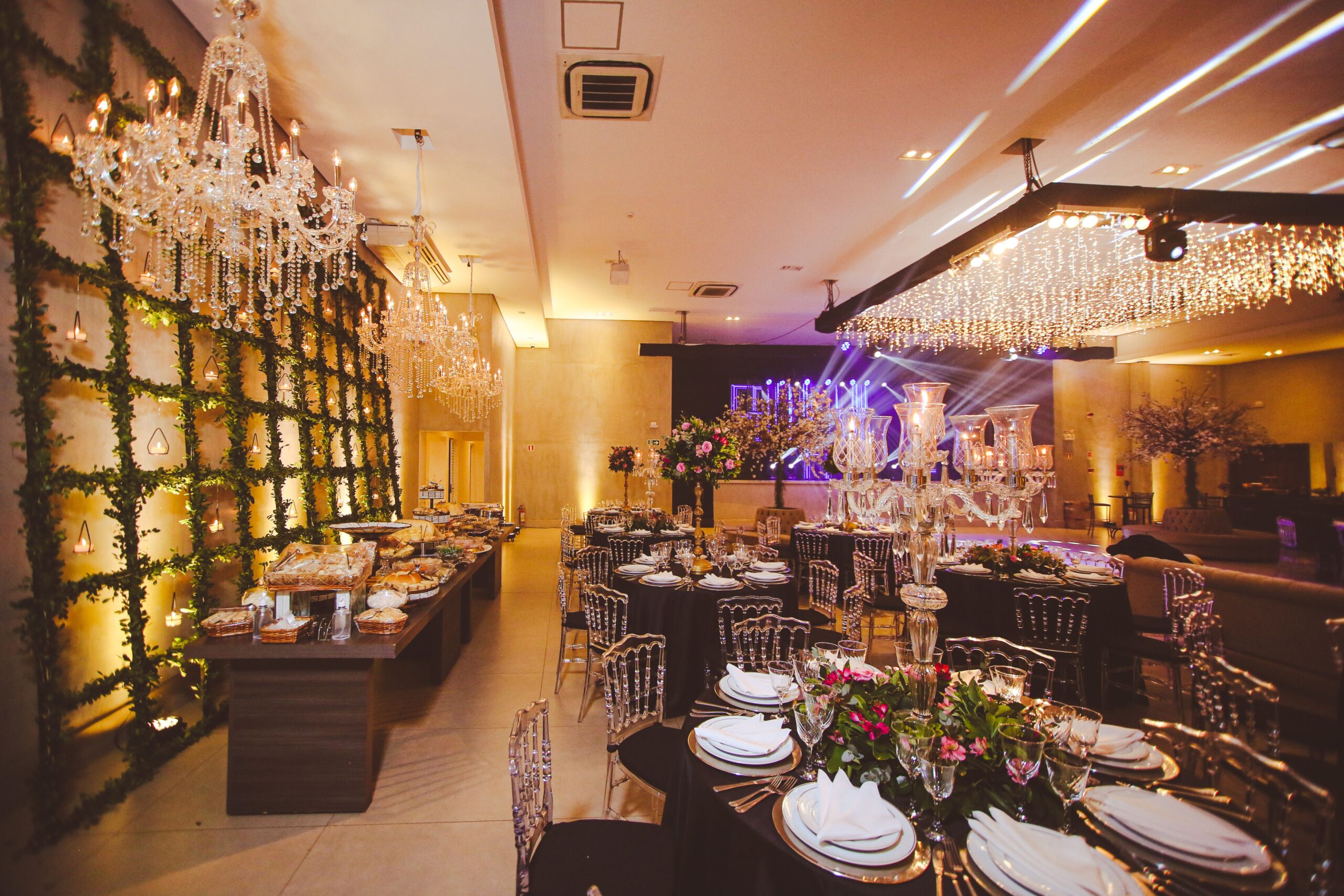
A venue enquiry can look straightforward until the practical questions begin. Is the space genuinely available for your preferred dates? Does the room work for the guest flow, staging and catering format? Are the quoted costs comparable? When weighing up full service vs venue sourcing, the right choice depends on how much support your team needs once the venue has been found.
For some corporate events, a focused shortlist is all that is required. For others, particularly conferences, large Christmas parties, awards dinners or international programmes, venue finding is only the first decision in a much longer process. Understanding the difference helps you use your budget and internal time well.
What free venue sourcing covers
Venue sourcing is the process of identifying, checking and presenting suitable venues against a clear brief. At The Event Book, this service is completely free to clients, whether you are looking in London, elsewhere in the UK or internationally.
You provide the essentials: event date or date range, guest numbers, preferred location, format, budget and any non-negotiables. These might include step-free access, overnight accommodation, a particular room layout, exhibition space, a private dining room, or capacity for a band and dance floor. We then contact relevant venues, check availability, gather indicative costs and return a considered shortlist.
With a complete brief, we aim to provide preferred options, availability and indicative costs within two working hours. That timing will naturally depend on the complexity of the enquiry and how quickly venues respond, particularly for large-scale, multi-day or international events. The point is not to send an indiscriminate list of spaces. It is to give you useful options you can assess with confidence.
Every enquiry is handled by a real person. You speak directly to an experienced event professional who can ask the questions that make a difference before approaching venues. That may mean challenging an unrealistic capacity expectation, explaining why one area of London creates a better guest journey than another, or spotting that an apparently lower room-hire figure excludes essential production costs.
This approach can save significant time. Rather than contacting dozens of venues, chasing replies and trying to compare proposals with different inclusions, you receive relevant options in one place. Our team has more than 20 years of venue-finding experience and direct relationships with London and international venues, from hotels and conference centres to museums, historic buildings, restaurants and contemporary event spaces.
Full service vs venue sourcing: the practical difference
Free venue sourcing is ideal when you have an experienced internal organiser, a defined event format and the capacity to manage the remaining details. Once you select a venue, your team can contract directly, coordinate suppliers and oversee delivery on the day.
Full event management goes further. It gives you a senior-led team to plan, coordinate and deliver the event from early brief through to final guest departure. The venue remains central, but it is considered alongside the whole experience: catering, AV, production, branding, entertainment, accommodation, transport, guest communications, registration, accessibility, health and safety, timings and onsite management.
For a straightforward board dinner for 25 guests, free venue sourcing may be exactly what you need. We can identify suitable private dining rooms, check menus and minimum spends, and help you understand the practical differences between the options. Your team may then be perfectly comfortable managing guest names, dietary requirements and final details.
A 300-person conference is different. The venue must support plenary content, breakout rooms, registration, catering breaks, speaker preparation, technical rehearsals, delegate flow and potentially an evening reception. A space can look excellent in photographs yet create logistical problems if loading access is restricted, ceiling heights limit staging, or the journey between rooms is awkward. Full service helps bring those moving parts together before they become last-minute issues.
When venue sourcing is the better choice
Venue finding works particularly well when your event team needs market knowledge rather than additional management resource. You may have a preferred supplier list, established approval processes and colleagues who can run the project internally. You might also be at the early planning stage and need a realistic view of availability and costs before seeking sign-off.
It is also useful for DMCs and agency partners that need reliable local venue intelligence for a client programme. A London-based team with strong venue relationships can quickly distinguish between a venue that is simply available and one that is genuinely right for the brief.
Our role is not to force a venue decision. We explain the trade-offs. One venue may offer better value on room hire but have higher catering minimums. Another may be more convenient for guests travelling through a particular station but require additional spend on production. Relationships and experience can help us negotiate rates or clarify flexible terms, but the lowest initial price is not always the best overall value.
When full event management earns its place
Full service is often the more sensible route where the event has high visibility, multiple suppliers or little room for error. This includes major conferences, exhibitions, executive meetings, product launches, client hospitality, awards ceremonies, gala dinners and corporate Christmas parties London teams are planning for 150 guests or more.
For larger festive events, the venue decision affects almost everything that follows. A Central London Christmas party venue needs the right capacity, location and atmosphere, but also sensible arrival arrangements, sufficient bars, appropriate catering capability, a workable entertainment set-up and a clear plan for departures. If the brief includes theming, musicians, DJs, performers, lighting, photography or branded moments, someone needs to make the individual elements work as one event.
With full event management, you have one experienced point of contact overseeing those decisions. We coordinate the supplier network, manage schedules and budgets, and handle onsite delivery so your internal team can focus on guests and stakeholders. Where appropriate, bringing services together can also mean one contract and one invoice, reducing administration and avoiding confusion over responsibility.
This does not mean handing over control. The best full-service relationship remains collaborative. You set the objectives, approve the key decisions and retain visibility of the budget. Our job is to anticipate questions, offer practical recommendations and keep the project moving.
Questions to ask before choosing your level of support
Start with your internal capacity, not just the size of the guest list. A 60-person leadership meeting with complex security, travel and production requirements may need more support than a 200-person drinks reception in a familiar venue.
Consider how clear the brief is. If your date, location, budget and format are established, a venue shortlist can move quickly. If senior stakeholders are still deciding between a conference, exhibition or dinner format, a conversation with an event professional can help shape the brief before venue enquiries go out.
It is also worth considering risk. Who will coordinate suppliers if timings change? Who will manage the room turn, late dietary changes or a technical issue on site? If the answer rests with an already stretched EA, marketing manager or HR team, full event management may protect both the event and the people organising it.
A flexible starting point for corporate events
The choice is not always fixed from day one. Many clients begin with our free venue-finding service, secure the right space and then decide whether they want help with selected elements or the complete event. Others appoint us from the outset because they need strategic support as well as delivery.
Your event brief is in safe hands either way. A considered venue shortlist gives you a strong foundation; full service gives you the resource to build on it. The useful question is not which option sounds more comprehensive, but which level of support will allow your team to make good decisions and host with confidence.
Send us your complete brief and we aim to provide a shortlist of preferred options, availability and indicative costs. Speak to a real person. Call us on 020 7523 5046 or email your event brief to events@theeventbook.uk. We respond within 2 hours, Monday to Friday, 9am-6pm.
FAQs
What is the difference between full-service event management and venue sourcing?
Venue sourcing focuses on finding suitable venues, checking availability, gathering proposals and comparing costs. Full-service event management covers the wider event, including supplier coordination, production, logistics and on-site delivery.
What does a venue sourcing service include?
Venue sourcing can include an initial discussion, venue research, availability checks, proposal requests, a tailored shortlist, capacity and cost comparisons, site visit arrangements and support with venue negotiations.
Is venue sourcing free for corporate clients?
The Event Book offers complimentary venue sourcing for suitable corporate enquiries. The provider’s commercial arrangement should always be confirmed before proceeding.
Can I use venue sourcing without hiring an event management company?
Yes. You can use venue sourcing as a standalone service, receive a shortlist of suitable venues and manage the booking and remaining event arrangements internally.
When should I choose full-service event management?
Full-service support is useful when you need help coordinating several suppliers, catering, entertainment, AV, production, branding, guest logistics and on-site delivery, particularly when your internal team has limited capacity.
Does full-service event management cost more than venue sourcing alone?
The costs depend on the services and level of support required. Complimentary venue sourcing is different from full event management, which may involve a separate project-based or ongoing management fee. Ask for a clear breakdown before appointing an agency.