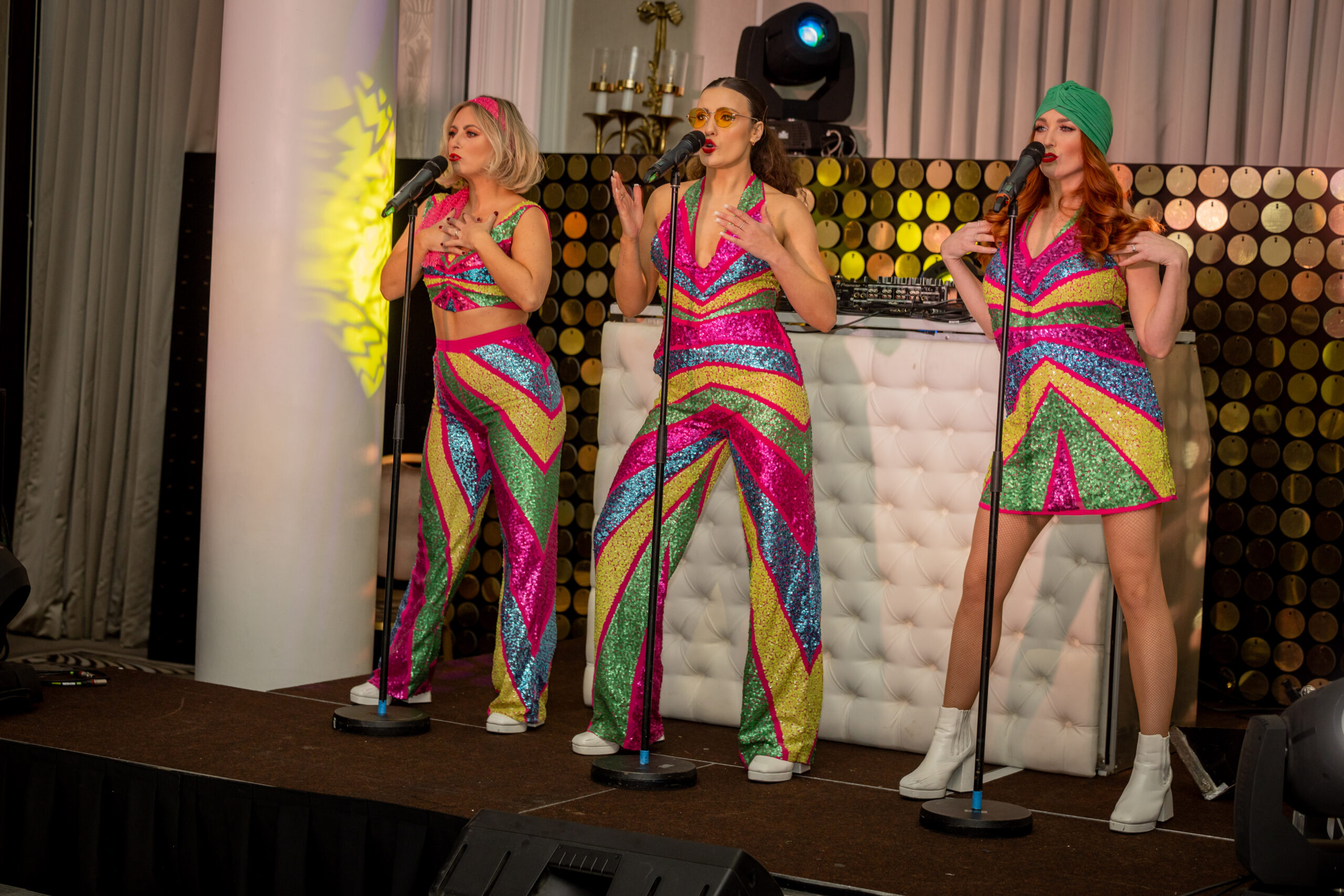
The best corporate entertainment acts London has to offer do more than fill a gap after dinner. They set the emotional temperature of an event: giving guests permission to relax, creating a shared talking point and making a carefully planned evening feel genuinely different from another work function. The right choice depends less on finding the most spectacular act on paper and more on matching the entertainment to your people, venue, agenda and appetite for participation.
For a 200-person gala dinner in a Mayfair hotel, a polished live band may be exactly right. For a networking-led client reception at a museum or gallery, sophisticated roaming performers can add energy without interrupting conversation. For an office Christmas party where teams want to let their hair down, an excellent DJ supported by a live musician or percussionist may deliver a fuller dance floor than a traditional show.
Start with the moment you want to create
Before looking at performers, decide what entertainment needs to achieve. Is it there to welcome guests, break the ice, hold attention between courses, reward employees or keep people dancing until the end? One event can use several formats, but each should have a clear role.
A common mistake is booking a strong headline act without considering the wider running order. A band asked to begin while guests are still finding their seats will not receive the response they deserve. Equally, a high-energy act immediately after an awards presentation can work brilliantly, provided the room has been reset, the bar is open and guests are ready to move from listening to celebrating.
Think about the guest mix too. A senior leadership dinner, an international incentive group and a company-wide festive party need different levels of familiarity, interaction and volume. Entertainment should be inclusive rather than rely on in-jokes or a niche reference that only part of the room understands.
Best corporate entertainment acts in London by event format
London gives corporate planners access to exceptional performers, but the best format is usually dictated by the room and the programme, not the size of the supplier directory.
Live party bands and DJs
A great party band remains one of the safest choices for a large corporate celebration. It provides a focal point, photographs well and creates the momentum that turns dinner into a party. The strongest corporate bands understand pacing: they know when to play widely loved floor-fillers, when to take a short break and how to read a mixed-age audience without making the set feel predictable.
A DJ can be a better fit where the brief calls for flexibility, later finishes or a more contemporary feel. DJs also work particularly well in venues with limited stage space, provided there is proper sound, lighting and a clear dance-floor plan. For added impact, pair the DJ with a saxophonist, electric violinist, vocalist or percussionist. This gives guests a live moment without the cost, stage requirements or fixed repertoire of a full band.
The trade-off is simple: bands bring a visible sense of occasion, while DJs offer more musical range and can respond quickly to the room. For corporate Christmas parties London teams are planning for 150 guests or more, either can work well, but do allow properly for production. A brilliant act will not compensate for a poorly positioned stage, weak sound or a dance floor tucked behind dinner tables.
Roaming musicians and walkabout acts
Roaming entertainment is particularly effective for drinks receptions, dinners in characterful spaces and events where networking matters. Acoustic musicians, close-up magicians, caricaturists, living statues and elegantly styled performers can create moments of surprise without gathering every guest in one place.
This format suits venues where a formal stage show would feel out of scale. It also helps when guests arrive in waves, as performers can engage small groups throughout the reception rather than requiring a single start time. In large historic buildings and museums, roaming acts can bring life to multiple rooms, although the route, guest flow and sound restrictions need careful planning.
The key is to brief performers on the audience and tone. Close-up magic can be warm and clever; it should never be intrusive. Musicians should be able to adapt their volume around conversation. The most successful roaming acts understand that they are enhancing hospitality, not competing with it.
Cabaret, headline performers and dinner shows
For gala dinners, awards evenings and themed celebrations, a featured performance can give the programme a clear high point. This might be a contemporary cabaret act, a vocal ensemble, a West End-style performance, a respected comedian or a bespoke show built around the event theme.
These acts work best when guests are seated, sightlines are strong and the audience understands that a performance is about to begin. A 20-minute, high-quality set is often more effective than an hour-long show. It protects the pace of the evening and leaves room for speeches, awards, dessert and the transition into dancing.
Comedy requires particular judgement. The right performer can be memorable, but content must suit a diverse corporate audience, and the organiser should agree boundaries in advance. Avoid assuming that a comedian who is popular in a public setting will be right for an internal event. A tailored briefing, clear approval process and experienced compere can make all the difference.
Immersive and interactive entertainment
Immersive entertainment is a strong option when the event needs conversation starters rather than a conventional stage show. Think casino tables with professional hosts, a team challenge, a themed games room, digital sketch artists, cocktail experiences or performers who form part of a wider creative concept.
This approach can work especially well for company away days, summer parties and client events, where guests benefit from having something to do as well as somewhere to talk. It also suits long receptions and large venues, giving people freedom to engage at their own pace.
However, interactive does not automatically mean participatory for everyone. Build in options for guests who prefer to watch, socialise or take a quieter moment. Forced participation can undermine an otherwise thoughtful event, particularly when colleagues do not know each other well or the group includes senior clients.
Venue constraints matter as much as the act
Some of the most popular Central London venues have tight loading windows, listed-building rules, sound limits or limited back-of-house space. These are manageable, but they need to inform the entertainment choice from the outset.
Ask early about stage dimensions, ceiling height, power supply, access for instruments and equipment, dressing-room provision, curfews and permitted sound levels. A five-piece band with a drum kit has very different requirements from a string quartet or a DJ with a compact set-up. In a venue with a strict 23:00 amplified-music cut-off, you may need a silent disco, an acoustic afterparty format or a clear plan for guests to move on elsewhere.
Sightlines deserve equal attention. If a performance is central to the guest experience, avoid placing it on a low stage behind tall centrepieces or in a room with columns dividing the audience. Video relay screens can help at scale, but they need to be part of a considered AV plan rather than a last-minute fix.
Budget for the whole experience, not only the booking fee
Entertainment budgets can vary dramatically. The performer’s fee is only one part of the cost. Depending on the act and venue, you may also need production, staging, sound engineering, lighting, travel, accommodation, catering, dressing rooms, security and extended venue access.
For a substantial corporate party, it is usually better to book one excellent focal act and support it with well-designed production than to spread the budget across several average performers. The guest experience comes from the complete picture: arrival, atmosphere, timing, sound quality and the confidence that everything will happen when it should.
Where budget is tight, focus entertainment at the moments with the greatest return. A memorable welcome, a short post-dinner performance and a strong DJ can feel more considered than trying to entertain guests continuously for six hours. Conversely, a premium event with a longer guest journey may justify entertainment across the reception, dinner and afterparty.
How to brief entertainers properly
The most useful brief is specific but not over-scripted. Share the event purpose, guest numbers, audience profile, venue, timings, dress code, theme, performance location and the mood you want to achieve. Explain any brand sensitivities, accessibility requirements and content restrictions. If the act will interact with guests, confirm how much participation is welcome.
It is also wise to agree the practical detail in writing: set lengths, breaks, arrival time, technical rider, insurance, cancellation terms, use of photography and whether performers can post about the event. For high-profile guests or confidential launches, discretion is essential.
A single event manager coordinating the venue, production team and performers prevents gaps in communication. The Event Book often sees the greatest benefit here on complex events, where entertainment is only one moving part among catering, speeches, awards, branding and guest logistics. One experienced point of contact, one contract and one invoice makes it far easier to keep the evening coherent.
Make the final choice with your guests in mind
The most successful entertainment feels as if it was chosen for that particular room of people, not copied from another event. Watch relevant showreels, check live footage where possible and ask how the act has performed in comparable corporate settings. A talented performer with the wrong format can still disappoint; the right act, thoughtfully timed and properly produced, gives guests the story they take back to the office.
If you are weighing up several options, return to the first question: what should guests be feeling at each point in the evening? That answer will usually lead you to a much better choice than simply asking which act is the biggest name.
FAQs
What are the best corporate entertainment acts in London?
The best choice depends on the event format and audience. Popular options include live bands, DJs, roaming performers, cabaret acts, headline performers and interactive entertainment.
Is a live band or DJ better for a corporate event?
A live band can create a strong sense of occasion, while a DJ offers greater musical flexibility and can work well where stage space is limited.
What entertainment works best for corporate networking events?
Roaming musicians and walkabout acts can work particularly well because they create energy and interaction without requiring guests to stop networking.
What should I consider when booking corporate entertainment in London?
Consider the venue’s stage dimensions, ceiling height, power supply, equipment access, dressing-room facilities, curfew and permitted sound levels before booking an act.
How much should I budget for corporate entertainment?
The performer fee is only part of the total cost. Production, staging, sound, lighting, travel, accommodation, catering, security and venue access may also need to be included.
How do I choose the right corporate entertainment act?
Match the entertainment to your guests, venue, event purpose and desired atmosphere. Reviewing showreels and live footage and checking comparable corporate experience can also help you make the right choice.