A summer party can do far more than fill a date in the social calendar. The best corporate summer party ideas give people a reason to step away from routine, feel valued by the organisation and reconnect with colleagues, clients or partners in a setting that feels genuinely considered.
That does not always mean hiring the biggest rooftop or booking a festival-style extravaganza. A great event starts with the right experience for your audience, the confidence to make clear choices and a delivery plan that protects the guest experience from the usual variables: weather, travel disruption, dietary needs, attendance patterns and competing stakeholder opinions.
Corporate summer party ideas for every objective
The format should follow the purpose. An employee celebration after a demanding quarter calls for something different from a client hospitality evening, while a business bringing together teams from several offices may need activities that create easy conversation. These ideas can be tailored to your brand, guest profile and budget.
1. A garden party with a polished finish
A private garden, terrace or courtyard creates an immediately relaxed atmosphere, particularly with a live acoustic set, seasonal food stations and thoughtful lounge areas. It works well for mixed groups because guests can arrive, circulate and leave at their own pace. Have a wet-weather alternative that feels intentional, not like a compromise hidden behind a curtain.
2. Rooftop drinks and sunset entertainment
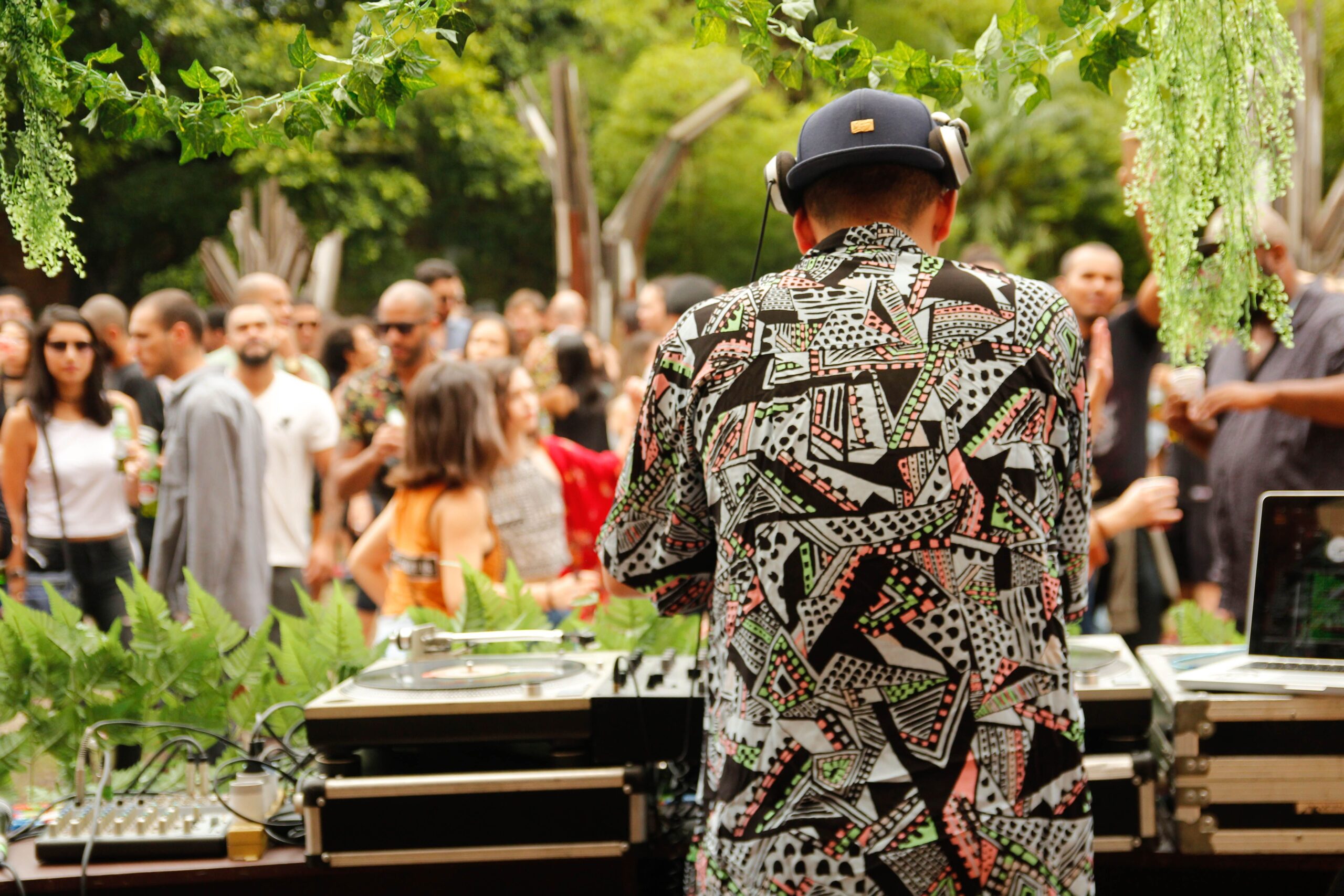
Rooftops remain popular for good reason: the setting does much of the work. Pair skyline views with a concise programme, such as a welcome toast, roaming canapés and a DJ as the evening progresses. Capacity, noise restrictions and lift access need close attention, especially for larger guest lists or venues in busy central locations.
3. A summer festival built around your people
For a larger employee audience, a branded festival can combine street food, lawn games, workshops, live music and a choice of bars. The strength is freedom: guests shape their own afternoon rather than following a formal agenda. It needs careful site planning, however, including power, toilets, signage, accessibility, security and a sensible plan for queues.
4. A day at the races
Racing hospitality has a natural sense of occasion and gives clients or senior teams a clear reason to attend. Private suites, hospitality areas and transport arrangements can make the experience feel personal rather than generic. It is less suited to organisations seeking a fully informal culture-led event, and invitations should be managed thoughtfully where racing is not likely to appeal to everyone.
5. A waterside lunch or evening cruise
A river or harbour setting changes the pace of a corporate gathering without requiring elaborate theming. A cruise is particularly effective for a defined guest list, where the shared journey helps conversation flow. Check boarding times, mobility requirements and the impact of late arrivals, as once the boat departs there is little room for recovery.
6. Competitive but inclusive team games
Think beyond the standard sports day. A hosted programme of light-hearted challenges, such as inflatable games, mini-golf, escape-style puzzles or creative team tasks, can suit teams that want to laugh together without being put on the spot. Offer non-competitive routes into the activity, and avoid making physical ability the measure of participation.
7. Outdoor cinema with proper hospitality
An outdoor screening works best when treated as an experience rather than simply a film projected onto a wall. Comfortable seating, blankets, pre-show food, a quality sound system and a film that genuinely fits the audience all matter. A tented reception or indoor space nearby can protect the evening if British summer weather changes its mind.
8. Food-led celebration with live chef stations
Interactive dining brings energy to an event without needing a packed entertainment schedule. Choose stations that reflect the season and your guests, from wood-fired sharing menus to chef-led tasting experiences. This approach is ideal for a more intimate client event or a senior leadership gathering, where conversation is the priority.
9. A creative workshop followed by drinks
Floristry, cocktail making, printmaking, ceramic painting or fragrance creation can give an event a memorable focal point. Guests leave with something tangible, and the activity provides a natural way for people who do not know each other to start talking. The workshop must be professionally hosted and paced well, otherwise it can feel like a compulsory away-day exercise.
10. A city-wide summer challenge
A carefully designed city challenge can turn familiar surroundings into a fresh shared experience. Teams might navigate neighbourhoods, complete creative tasks and finish at a private venue for drinks and dinner. This format suits a London-based workforce or visiting international colleagues, but routes should be tested for timing, accessibility and overcrowded public spaces.
11. A charitable summer party
Bring a social purpose into the celebration through a fundraising element, a community partnership or a hands-on activity that benefits a chosen cause. This can be especially meaningful where the organisation has an established charity relationship. The cause should complement the party rather than dominate it, so guests still feel they are being thanked and entertained.
12. Wellness in the open air
A daytime event with gentle movement, healthy food, treatments and quieter social spaces can be a welcome alternative to another late night. Consider guided walks, yoga, sound baths or a relaxed picnic with optional activities. It is a strong fit for wellbeing-focused organisations, although a purely wellness-led format may not suit guests hoping for a more celebratory atmosphere.
13. A summer sports hospitality experience
Tennis, cricket, rowing and other seasonal fixtures offer instant excitement, while premium hospitality gives hosts time to build relationships. This is often a powerful client-entertainment choice, particularly where invitations can be targeted. Tickets are limited, dates move quickly and the guest list needs to be finalised earlier than for many other party formats.
14. An awards moment in a relaxed setting
If recognition is a core aim, build a short and sincere awards presentation into a garden party, festival or evening reception. Keep it focused on achievements people will recognise and celebrate. Long speeches and too many categories can drain the energy from a summer event, so the atmosphere should return quickly to food, entertainment and conversation.
15. A multi-location celebration with one shared identity
For organisations with teams in different cities or countries, a single party is not always practical. A connected programme of local celebrations, shared content and consistent branded details can create one collective moment without forcing unnecessary travel. It takes firm central planning and trusted local partners, but it can deliver a more inclusive result than flying everyone to one destination.
How to choose the right summer party format
Start with the outcome, not the venue. Decide whether success means stronger team connection, client relationship building, recognition, cultural engagement or simply a generous thank-you. That decision guides every subsequent choice, from timing and guest numbers to entertainment, catering and communications.
Next, be realistic about your audience. A party designed for 400 colleagues across age groups, working patterns and locations needs flexibility. Daytime attendance may be higher for parents and commuters; evening events can feel more special for client guests. A hybrid option is rarely the answer for a social event, but a multi-location approach may be.
Budget should account for the full experience, not just the obvious line items. Venue hire, catering and drinks are only part of the picture. Production, staffing, transport, branding, security, guest registration, entertainment, insurance, contingency space and service charges can materially change the final figure. Clear priorities early on prevent the experience being diluted later.
The details guests remember
Guests may not notice a well-managed registration system, but they will notice a queue in the rain. They may not name the production schedule, but they will remember whether the music was too loud to talk over dinner. These are the details that turn a promising concept into an event people talk about positively afterwards.
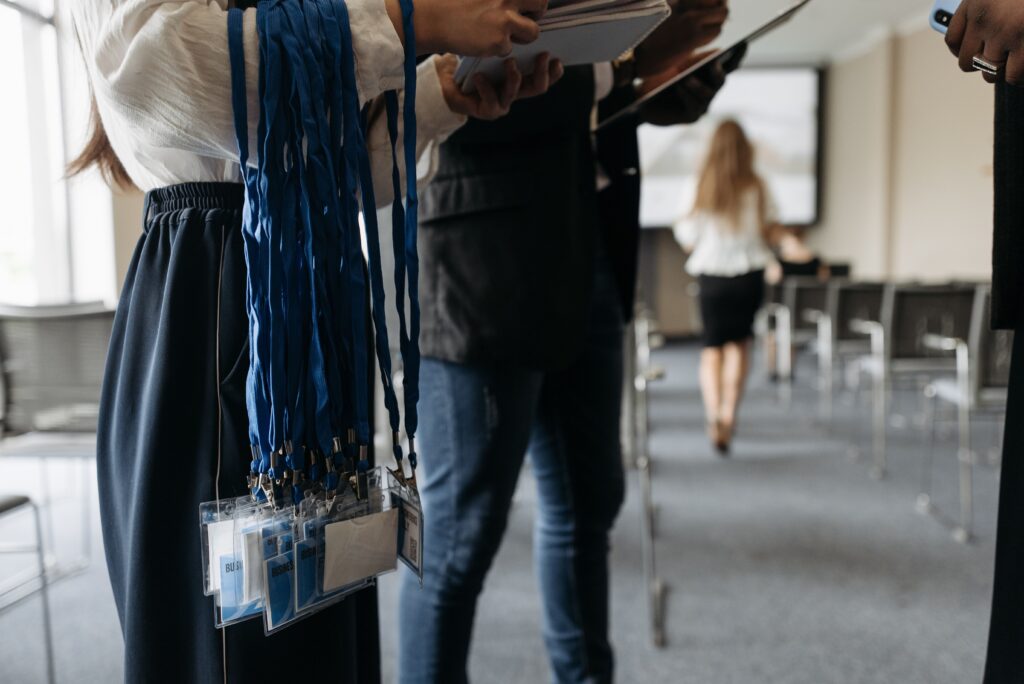
Build the guest journey from invitation to departure. Make the invitation clear about dress code, travel, timings and what to expect. Capture dietary, access and mobility requirements early. At the event, use clear wayfinding, welcoming hosts and enough food and drink points to keep the atmosphere moving. If alcohol is part of the occasion, provide excellent non-alcoholic choices rather than treating them as an afterthought.
Weather planning deserves particular respect. A marquee, covered terrace or indoor back-up can be essential, but only if it has sufficient capacity, furniture, lighting and catering access to feel like a real event space. Hoping for sunshine is not a plan. Planning for both outcomes is.
For complex events, an experienced partner can take ownership of venue sourcing, creative development, supplier management, registration, logistics and on-site delivery, leaving the internal team free to enjoy the event alongside their guests. At The Event Book, that means treating every brief with the same care, whether it is an intimate client dinner or a large-scale summer celebration.
The most successful summer party is rarely the one with the longest list of attractions. It is the one where guests feel the occasion was designed with them in mind, and where every practical detail quietly supports that feeling.
FAQs
What are the best corporate summer party ideas?
Popular ideas include garden parties, rooftop events, company festivals, outdoor team-building activities, wellness experiences, awards celebrations, and client hospitality events.
How do you plan a successful corporate summer party?
Start by defining your event goals, setting a budget, choosing the right venue, planning guest logistics, organising entertainment, and preparing for bad weather.
What makes a corporate summer event successful?
A successful event focuses on the guest experience, clear objectives, thoughtful planning, and smooth event management rather than simply offering lots of attractions.
Which summer party ideas are best for employee engagement?
Company festivals, outdoor team games, creative workshops, wellness events, awards celebrations, and food-focused experiences all encourage stronger employee engagement.
How can businesses plan an outdoor corporate event?
Choose an accessible venue, provide quality catering and entertainment, communicate clearly with guests, and always have a suitable indoor or covered backup plan for unpredictable weather.
Why work with a professional corporate event planning company?
A professional event partner manages venue sourcing, supplier coordination, logistics, registrations, production, and on-site delivery, allowing your team to focus on guests and business objectives.