A product can be ready for market long before an organisation is ready to launch it. The difference is often felt in the room: a sales team without the right story, journalists waiting through technical delays, or regional markets receiving an asset pack that does not quite fit their audience. This global product launch event example shows how one central live moment can give international teams a clear message while still leaving room for local relevance.
Rather than presenting an unrealistic ‘one-size-fits-all’ event, this is a representative scenario based on the practical decisions that shape global launches. It is designed for marketing, internal communications and events teams coordinating multiple markets, senior stakeholders and a deadline that cannot move.
A global product launch event example: one message, many markets
Imagine a technology company launching a new workplace platform across the UK, Europe, North America and Asia-Pacific. The business wants to introduce the product to clients, prospects, press, partners and employees on the same day. Its objectives are clear: build anticipation, explain the commercial value of the product, equip sales teams to start meaningful conversations and create content that regional teams can use after launch day.
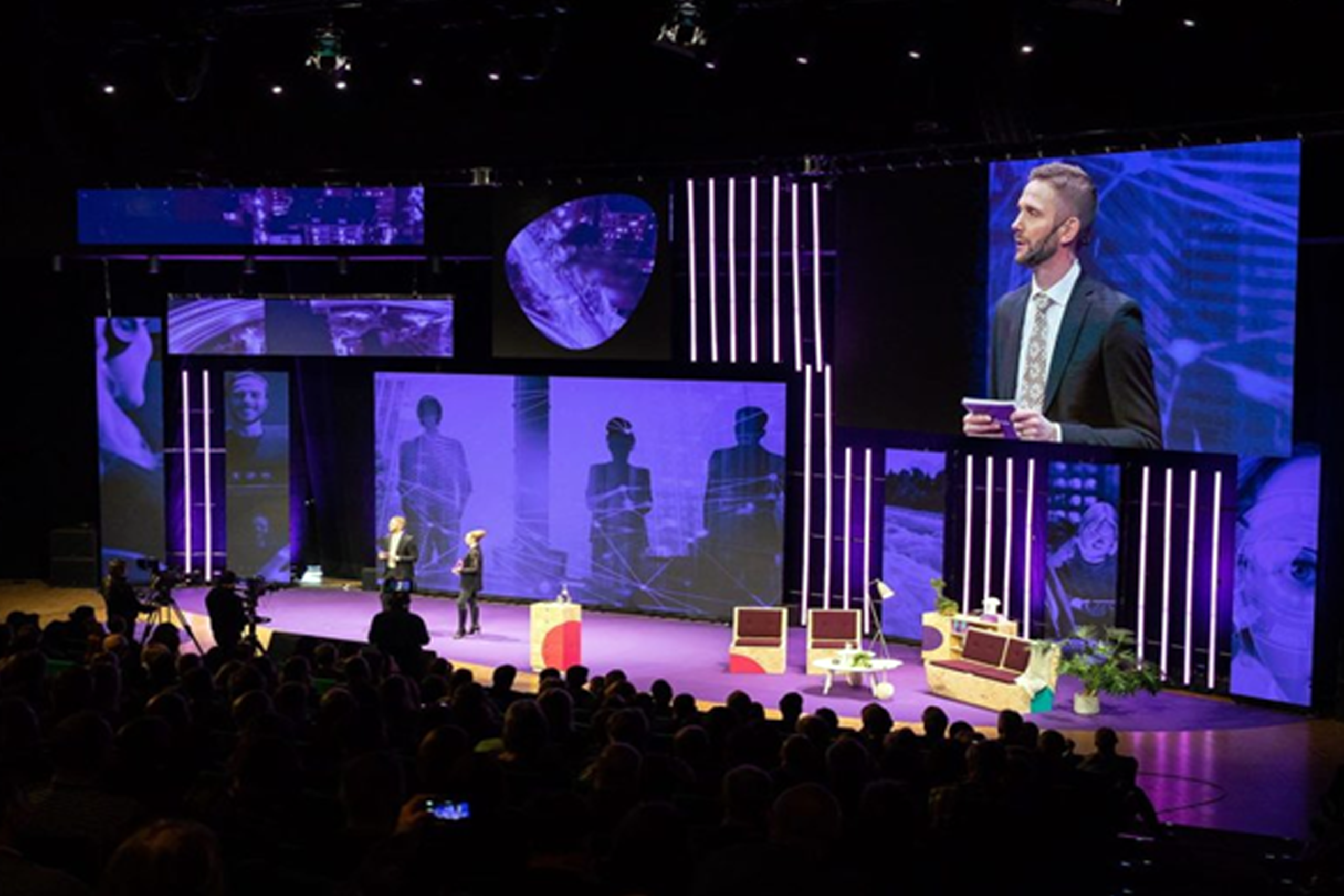
The company chooses London for the central event because its executive team, creative agency and many key media contacts are based there. A contemporary Central London venue is booked for 250 in-person guests, with a stage set designed for both the room and the camera. The main launch is broadcast live, while smaller market gatherings take place in New York, Singapore, Berlin and Sydney at times that make sense locally.
This is not simply a livestream with an audience added. The London event is the editorial and production hub. Regional events are planned as connected experiences, with local hosts, translated materials, market-specific customer stories and time for guests to meet their own commercial teams.
The event format
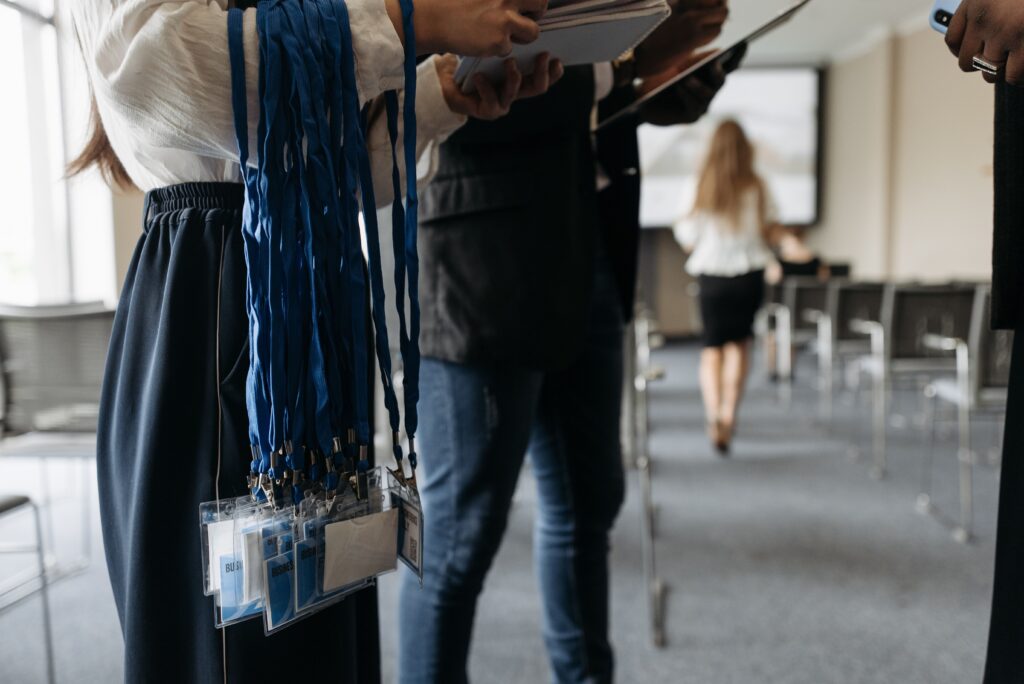
Guests in London arrive to an exhibition-style welcome area where they can try the platform through guided demonstrations. Short, well-managed sessions are more effective than leaving people to work it out alone, particularly where the product has several applications. Product specialists are available, but the focus is on relevant business problems rather than a technical feature list.
The main presentation lasts 45 minutes. It opens with the challenge the product is intended to solve, followed by a short film featuring real customer situations. The chief executive introduces the business case, the product lead gives a concise demonstration and a customer joins for a moderated conversation. A regional leader then explains how the launch supports the company’s wider international ambition.
The live broadcast is intentionally paced. There are no lengthy panel discussions or sprawling PowerPoint decks. Remote viewers need visual variation, clear audio and a reason to stay until the end. Captions, language interpretation where required and pre-recorded product demonstrations make the experience more accessible and reduce the risk of a live technical failure.
After the reveal, London guests move into hosted product zones, followed by networking over substantial canapés and drinks. In other markets, the same core content is shown either live or as a carefully timed recording, followed by local discussion. The central message remains consistent, but the conversation is not forced to be identical everywhere.
Why this approach works
A global launch can quickly become complicated when every country requests its own presentation, branding or agenda. Some adaptation is sensible. Different markets have different customer priorities, languages, regulations and relationships. The risk comes when local changes dilute the product proposition or create several competing versions of the story.
In this example, the central team creates a launch toolkit before production begins. It includes approved messaging, visual assets, speaker notes, product claims, social content, regional run-of-show templates and a clear approval process. Local teams can tailor invitations, guest lists and follow-up conversations, but they do not rewrite the strategic narrative days before the event.
There is also a useful distinction between global consistency and visual uniformity. A market in Germany may prefer a focused client briefing in a hotel meeting space; a team in Singapore may need an evening event for senior guests; another region may prioritise a virtual watch party for dispersed employees. All can feel part of the same launch if the content, quality and timing are managed properly.
The production decisions that protect the message
For a launch of this scale, production is not a decorative extra. It determines whether the product appears credible. A striking stage design may be appropriate, but only if it supports the message and works on camera. Screens need to display product interfaces clearly. Lighting must flatter speakers without making demonstrations difficult to see. Sound needs to be equally strong for the room, the broadcast and any event recording.
The production team builds in rehearsals for every speaker, including executives joining remotely. A full technical rehearsal tests presentations, videos, holding slides, clickers, confidence monitors, interpretation feeds and internet resilience. For a global broadcast, a dedicated connection and backup plan are essential. Relying on venue Wi-Fi alone is a false economy.
A detailed running order also prevents common launch-day problems. It should show not just stage timings, but arrivals, registration, speaker movements, video cues, product demonstration handovers, press interviews, catering resets and contingency time. A launch event is usually high-profile, which means the plan needs to cope with last-minute executive changes without unsettling the guest experience.
The guest journey matters as much as the reveal
The most memorable launches make guests feel that they have been brought into something important, not merely invited to watch an advert. In this example, the invitation makes the value of attending clear: guests will see the product first, hear from a customer and have direct access to the experts behind it.
Registration captures useful information without becoming a barrier. Guests can identify whether they are a client, prospect, partner, media contact or employee, allowing hosts to direct them towards the right conversations. For high-value invitees, a named host and pre-arranged meeting can turn a general launch into a genuinely productive commercial occasion.
Accessibility is considered early rather than added at the end. That may include step-free access, dietary requirements, seating options, captions, hearing support and content that does not depend on small text or rapid-fire spoken explanation. For international guests, travel information, accommodation options and realistic arrival windows need equal care. A global audience notices when the practical details have been treated as an afterthought.
What the team would measure after the event
Attendance alone is a weak measure of a product launch. A full room can still produce little commercial momentum if guests leave unclear about the proposition. The event team and marketing team agree success measures before invitations go out.
They track registration-to-attendance rates, live and on-demand viewing, content engagement, media and social response, demo participation, follow-up meetings booked and sales opportunities influenced. Internal measures matter too: did regional teams receive the assets they needed, and could they confidently explain the product after the launch?
The most valuable follow-up happens quickly. Within 24 hours, guests receive a concise message tailored to their relationship with the business. Prospects might receive a demo invitation, partners a commercial briefing and employees a recording with practical guidance on how to talk about the launch. The event recording is edited into shorter clips for sales conversations, regional campaigns and internal channels, extending the value of the production investment.
Where this format can go wrong
The temptation is to overfill the agenda. When every senior stakeholder wants a speaking slot, a launch can lose pace and the product becomes buried beneath corporate messaging. A disciplined programme protects the audience’s attention and gives the strongest voices room to land their point.
Another common issue is treating regional teams as an audience rather than partners. Central control is necessary, particularly around brand, claims and timing, but local teams often know which customers should be in the room and what questions they will ask. Bring them into planning early, with firm deadlines and clear decision rights.
Budget choices need care as well. A single polished broadcast hub may be more cost-effective than producing five large-scale live events, but it can place too much weight on one location and one production moment. Equally, a fully localised event in every market can be expensive and difficult to govern. The right balance depends on the product, market maturity, audience value and whether the launch needs immediate global reach or deeper local engagement.
For teams managing the venue, broadcast, branding, guest experience and regional coordination, one experienced event partner can remove a great deal of pressure. The Event Book can provide complimentary venue sourcing in London or manage the wider delivery, bringing suppliers and logistics together under one point of contact, one contract and one invoice.
The best global launches do not try to make every guest experience identical. They make every guest feel they have received the same confident promise, delivered in a way that makes sense where they are.
FAQs
What is a global product launch event?
A global product launch event introduces a new product to audiences across multiple markets while maintaining a consistent central message and allowing local adaptation.
How can one product launch event work across multiple countries?
A central event can act as the editorial and production hub, while regional events use shared core content with local hosts, customer stories, translated materials and market-specific discussions.
What should be included in a global product launch toolkit?
A launch toolkit can include approved messaging, visual assets, speaker notes, product claims, social content, regional run-of-show templates and a clear approval process.
Why is production important for a global product launch event?
Production protects the credibility and consistency of the launch. It covers stage design, screens, lighting, sound, rehearsals, presentations, broadcast requirements and technical contingency planning.
How should the success of a product launch event be measured?
Useful measures include registration-to-attendance rates, live and on-demand viewing, content engagement, media and social response, demo participation, follow-up meetings and sales opportunities influenced.
What are common mistakes in global product launch events?
Common challenges include overloading the agenda, excluding regional teams from planning, creating inconsistent messaging and choosing a global or local event model without considering audience value, market needs and budget.