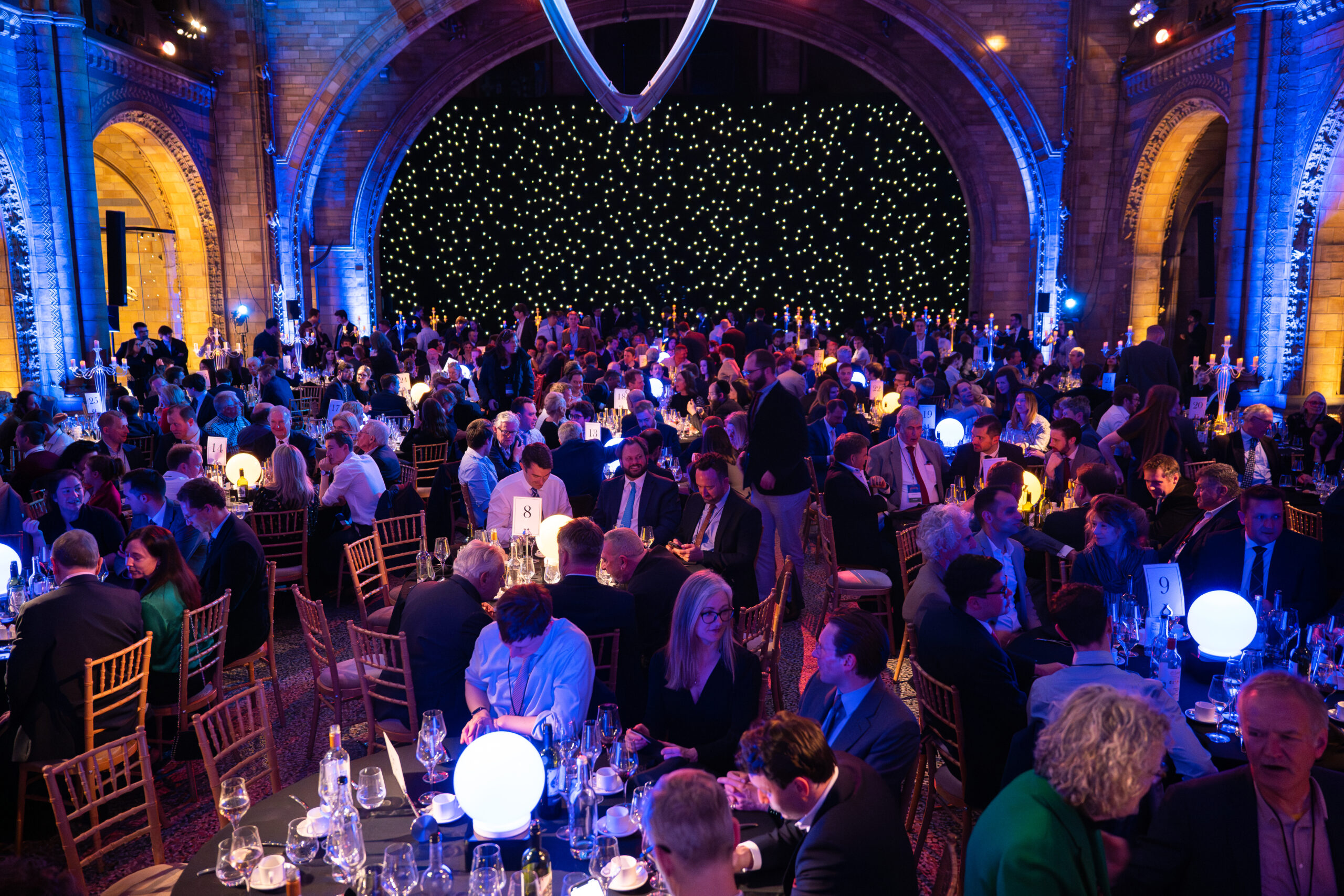
A gala dinner can look effortless to guests: a beautiful room, good food, engaging speeches and a full dancefloor. Behind that experience sits a carefully managed series of decisions, from the first invitation to the final coach departure. Knowing how to organise a gala dinner starts with recognising that it is not simply a dinner with entertainment. It is a live corporate occasion with a purpose, an audience and very little room for uncertainty.
Whether you are bringing together 80 senior clients, 300 employees or an international incentive group, the strongest events feel considered rather than overproduced. The aim is to give guests a memorable evening while making every operational detail feel calm, appropriate and on-brand.
Start with the outcome, not the theme
Before looking at venues or discussing menus, agree what the gala dinner needs to achieve. Is it an awards evening designed to recognise employees? A client entertainment occasion where relationship-building matters most? A charity fundraiser, a conference closing night or a celebration of a company milestone? The answer affects the budget, format, guest list, venue and level of production.
A clear event brief should cover guest numbers, preferred date range, location, budget, audience profile, accessibility requirements and non-negotiables. It should also establish the tone. A black-tie dinner in a historic London venue requires a different approach from a contemporary awards night with a live band, immersive lighting and an after-party.
Be realistic about the guest experience you want to create. A formal three-course dinner with speeches may be exactly right for a leadership audience, but it can feel slow for a younger, mixed team unless the running order has energy and variety. Equally, not every gala needs a dramatic theme. Excellent hospitality, a confident host and a well-paced evening often make a greater impression than decoration for decoration’s sake.
How to organise a gala dinner venue and format
The venue is more than a backdrop. It determines the guest journey, the dining layout, production possibilities, supplier access and, often, the atmosphere before guests have taken their seats. In London, a ballroom, museum, livery hall, rooftop space or contemporary events venue can all work well, but each comes with different restrictions and cost implications.
Capacity figures deserve close attention. Ask for the seated dinner capacity in the layout you actually want, not the venue’s maximum standing reception number. Round tables generally create a more sociable gala dinner, although they need more space than long tables. You will also need room for a stage, screen, dancefloor, band, registration area, cloakroom, drinks reception and service access.
Consider arrival and departure as carefully as the main room. Guests should be able to move from reception to dinner without bottlenecks, confusion or a lengthy wait in a corridor. If many people are travelling from across the city or arriving from a conference, transport links and a sensible arrival window matter. For an audience in formalwear, a difficult final journey can undermine an otherwise polished evening.
A site visit is worth making time for, particularly where the event includes awards, performances or significant branding. Check sightlines from every table, ceiling height, loading access, lift dimensions, kitchen arrangements, sound limits and the point at which music must finish. A room that photographs beautifully may be less suitable if half the guests cannot see the stage.
Build a budget around guest experience
Gala dinner budgets are often judged by the cost per head, but that figure only becomes useful when it includes the right things. Venue hire, catering, drinks, staffing, furniture, AV, lighting, entertainment, security, cloakroom, transport, accommodation and contingency can all sit separately. A low menu price can become expensive once the operational essentials are added.
Prioritise the elements guests will genuinely notice. Food and drink quality, warm service, comfortable seating, clear sound, an engaging programme and an easy journey through the evening are usually better investments than several small decorative touches. If budget is limited, focus production on the arrival moment, dining room reveal and stage rather than trying to transform every corner of the venue.
Drinks packages require particular care. Decide whether the event needs a hosted reception, wine with dinner, a post-dinner bar or all three. Consumption bars can suit small senior groups, while a pre-agreed package gives greater cost certainty for larger employee events. It depends on company policy, audience expectations and how late the party is likely to run.
Keep a contingency for late changes and practical requirements. Extra staffing, dietary meals, last-minute guest additions, additional signage and extended vehicle waits are common examples. A small reserve protects the quality of the event when plans inevitably shift.
Design a guest journey with momentum
A gala dinner needs a running order, not just a list of components. Start by plotting the evening from the guest’s point of view: invitation and registration, arrival, welcome drinks, call to dinner, meal service, speeches or awards, entertainment, dancing and departure. Each transition should be obvious and well managed.
For most corporate groups, a 60 to 90-minute drinks reception offers enough time for arrivals and networking without delaying dinner. Build in a clear call to dinner, supported by hosts, signage or a subtle change in music and lighting. Once guests are seated, avoid an overlong sequence of formalities before food is served.
Speeches work best when they are purposeful and concise. Give speakers a clear briefing, set a time limit and make sure microphones, confidence monitors and presentation clickers have been tested. If there are awards, rehearse walk-on routes, recipient positions, trophy handovers and photography. These details prevent the stage from becoming awkward or slow.
Catering and programme must work together. Tell the caterer exactly when speeches, awards and performances will happen, so service does not compete with the important moments. Guests should not be asked to listen to a chief executive while waiting for a main course, nor should a band start soundchecking beside the final dessert.
Get production right before adding spectacle
Good production should make the evening easy to follow. At minimum, guests need clear sound, appropriate lighting and screens sized for the room. A basic AV package may be enough for an intimate dinner with short speeches. For a larger gala, professional stage set, branding, multiple screens, show lighting and a dedicated production manager can transform visibility and pace.
Do not rely on venue AV assumptions. Request a specification showing precisely what is included, where screens and speakers will sit, and whether technicians remain on site throughout. Historic and unusual venues can have particular limitations around rigging, power, open flame, noise and installation times. These are manageable when addressed early, but costly when discovered a week before the event.
Entertainment should suit the audience and the timetable. A live band can create a brilliant finale, while a singer, roaming performers or a discreet jazz trio may better support a reception. The key question is not simply what is impressive, but what helps guests connect and enjoy themselves. Check set lengths, breaks, technical riders and finish times before contracting anyone.
Manage the details that guests should never see
The most successful gala dinners have a strong operational plan behind them. This includes a detailed schedule, supplier contact list, floorplan, table plan, dietary tracker, risk assessment, emergency procedures and guest communications. Assign ownership for every decision, especially where internal stakeholders are involved.
Guest management deserves more attention than it often receives. Capture dietary and accessibility needs early, make table allocations easy to find and plan for late arrivals. If VIPs are attending, agree who will greet them, where they will wait and how they will move through the room. For international groups, consider language needs, travel timings and cultural expectations around dining and alcohol.
On the night, one experienced point of contact should coordinate the venue, caterers, AV team, entertainment, photographers and transport. That avoids the familiar problem of several suppliers waiting for a decision while the internal organiser is trying to welcome guests. A full event management partner can also simplify the process through one contract and one invoice, while keeping the event brief firmly in safe hands.
Leave guests with the right final impression
Plan the final 30 minutes rather than letting the evening simply fade out. Announce transport arrangements clearly, keep the cloakroom adequately staffed and make sure hosts are visible to thank key guests. If photography is part of the event, agree when and how images will be shared, particularly where employee consent or client confidentiality applies.
A thoughtful follow-up can extend the value of the evening. Thank guests promptly, share approved photographs, celebrate award winners and ask a small group of stakeholders for honest feedback while the experience is fresh. Their comments will help you improve the next event, whether that means more networking time, a different format or a later finish.
If you are planning a gala dinner in London, across the UK or internationally, The Event Book can source suitable venues on a complimentary basis or manage the full occasion from brief to on-site delivery. Send us your enquiry to discuss your requirements.
Speak to a real person. Call us on 020 7523 5046 or email your event brief to events@theeventbook.uk. We respond within 2 hours, Monday to Friday, 9am-6pm.
A well-organised gala dinner gives guests the freedom to enjoy the evening, which is exactly how it should feel.
FAQs
How do you organise a gala dinner?
Start by defining the event’s purpose, audience, guest numbers, budget and desired experience. Then choose a suitable venue, plan the guest journey, catering, production, entertainment and operational details.
What should be included in a gala dinner budget?
A gala dinner budget should consider venue hire, catering, drinks, staffing, furniture, AV, lighting, entertainment, security, cloakroom, transport, accommodation and contingency.
How do I choose a venue for a gala dinner?
Consider the actual seated dinner capacity, layout, stage and production requirements, guest arrival and departure, accessibility, supplier access, transport links and the overall atmosphere of the venue.
How long should a gala dinner drinks reception be?
For most corporate groups, a 60 to 90-minute drinks reception can provide enough time for guests to arrive and network without unnecessarily delaying dinner.
What entertainment works well for a gala dinner?
Entertainment should suit the audience and the event schedule. Options can include a live band, singer, roaming performers or a jazz trio, depending on whether the entertainment is intended for the reception, dinner or finale.
Do I need an event management company for a gala dinner?
Not always. However, full event management can be useful for larger or more complex events involving multiple suppliers, detailed schedules, production, entertainment, transport and on-site coordination.