A venue can look perfect in a proposal and still create problems on the night. Perhaps the room holds your guest numbers only in theatre layout, the drinks reception spills into a public corridor, or the production quote doubles once lighting, power and access are understood. Knowing how to source London venues means looking beyond a beautiful room and assessing whether it can genuinely support the event you need to deliver.
For corporate teams, the right choice should make the experience feel considered for guests while making the planning process more manageable behind the scenes. That is particularly true in London, where an exceptional choice of historic buildings, museums, hotels and contemporary spaces comes with equally varied restrictions, costs and logistics.
How to source London venues: start with the brief
The most efficient venue search starts before anyone requests availability. A clear brief prevents the common cycle of reviewing appealing options, discovering a fundamental issue, and beginning again two weeks later.
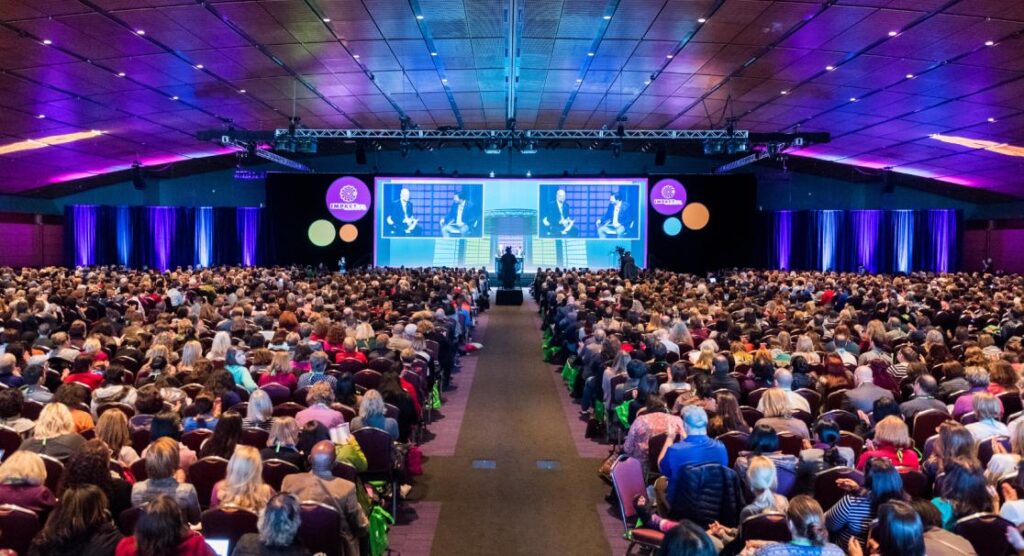
Start with the event objective. Are you bringing colleagues together after a period of growth, hosting clients, launching a product, or rewarding a senior team? The answer affects the atmosphere, format and location. A conference for 300 delegates needs reliable sightlines, practical breakout rooms and strong technical infrastructure. A gala dinner for the same number needs an arrival that feels special, sufficient space between tables and a sensible plan for entertainment, speeches and dancing.
Your initial brief should establish the date or date range, guest numbers, event timings, preferred London area, format and total budget. It is also useful to identify non-negotiables early, such as step-free access, a private reception area, halal or kosher catering, bedrooms, secure vehicle access, branding opportunities or a late licence.
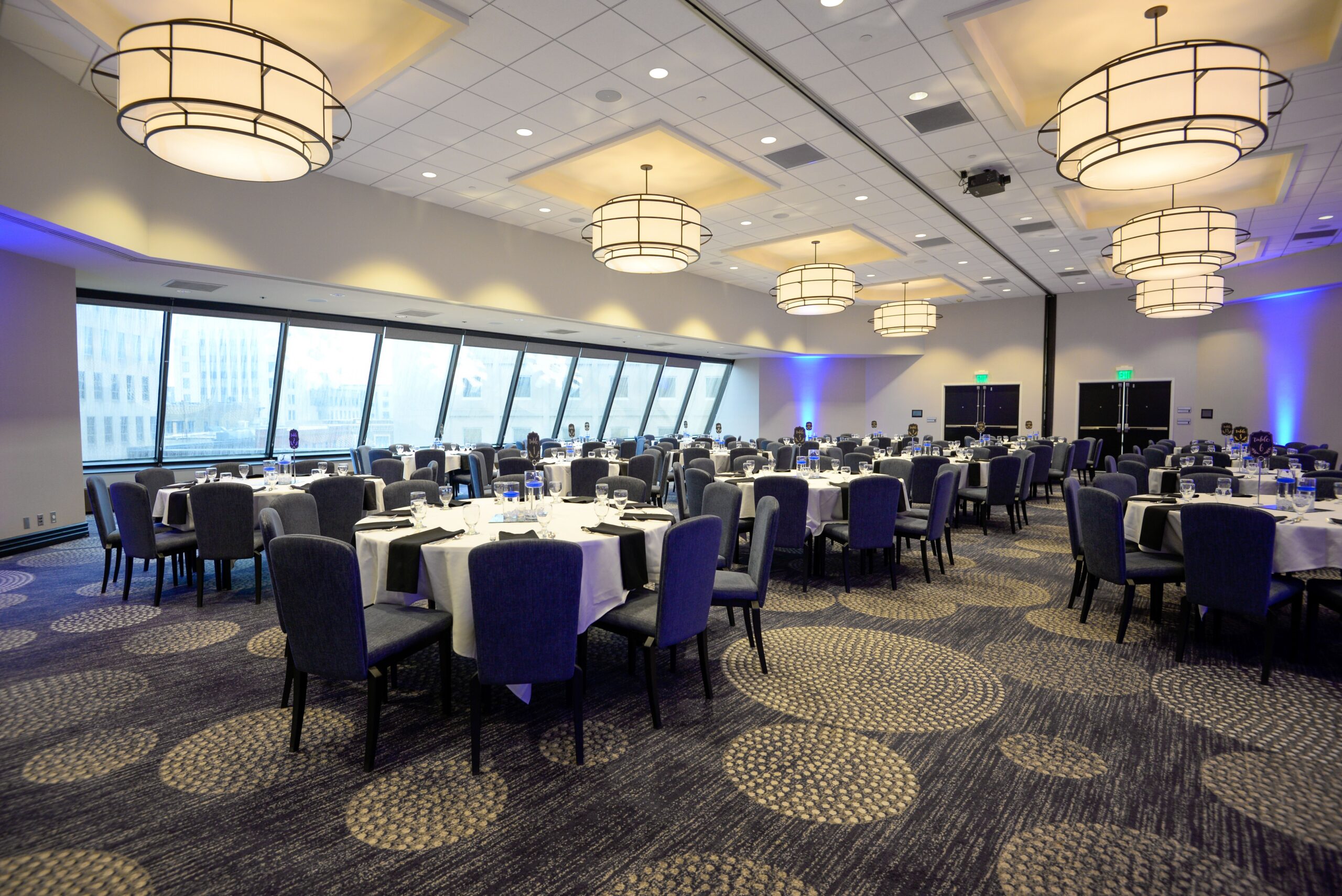
Guest numbers deserve more scrutiny than a single headline capacity. Ask how many people the venue can accommodate for every stage of the event: registration, reception, conference, dinner, awards, entertainment and departure. A space advertised for 400 standing guests may be an excellent choice for a drinks party but wholly unsuitable for a 250-person dinner with a stage and dancefloor.
Set a budget that reflects the whole event
Venue hire is only one part of the cost. London venues can vary widely in what is included, and a lower hire fee may bring substantial additional charges for catering, furniture, security, cloakroom staff, Wi-Fi, cleaning or technical equipment.
For an office Christmas party or corporate gala dinner, assess the budget per person against the full guest experience rather than the meal alone. At around £200 per person and above, a Central London event can often include a quality venue, food and drink, entertainment and a considered level of production. But the split depends on guest count, day of the week, date and ambition. A Thursday in December, for example, carries a different price and availability profile from a Monday or January celebration.
Ask for a transparent estimate that separates venue, food and beverage, production, entertainment, staffing and any service charges or VAT. This makes comparison fairer. It also reveals whether a venue package is genuinely good value or simply shifts key costs elsewhere.
There are sensible trade-offs. A dry-hire venue may offer more creative freedom and a dramatic setting, but it requires additional suppliers, coordination and often more production spend. A hotel may have less visual novelty but can provide bedrooms, in-house catering, built-in AV and a more straightforward operational route. Neither is automatically better. The right answer depends on the brief and the planning resource available.
Search by guest journey, not just postcode
Central London is rarely one simple location. A venue near a major station can be ideal for guests travelling from across the UK, while a City location may be better for an after-work client event. For a team based in Canary Wharf, a Mayfair venue may look central on a map but feel inconvenient at the end of a long day.
Think through the guest journey from invitation to departure. Consider transport links, walking routes, weather cover, taxi access and the time guests will leave. If alcohol is part of the occasion, late-night transport and nearby accommodation can influence attendance and the overall mood.
The setting should also support the message. Historic venues and museums can add a sense of occasion for awards dinners and client entertaining. Contemporary spaces are often useful for flexible conferences, product launches and branded events. Luxury hotels work well where senior guests, international delegates or accommodation are central to the plan. Exclusive hire may be worth the premium when privacy, security or complete control of the guest experience matters.
Do not overlook the arrival. A separate entrance, a welcoming registration point and room for coats can transform the first ten minutes. Conversely, a spectacular main room loses impact if guests queue outside in the rain or arrive through a busy shared lobby.
Test the practical details before shortlisting
A site visit is where a strong shortlist becomes a confident decision. Photographs and virtual tours are helpful, but they cannot show the lift dimensions for equipment, the sound bleed from a neighbouring event or the actual feel of a low ceiling once staging is in place.
During a visit, walk the event as a guest would, then inspect it as an organiser would. Where will registration sit? Is there enough room for a reception without blocking access? Can catering replenish discreetly? Where do speakers wait? How do guests move from dinner to entertainment? These questions are especially valuable for large Christmas party venues in London, where timing is tight and several hundred guests may arrive within a short window.
Production needs early attention. Check ceiling heights, rigging points, load-in routes, power capacity, Wi-Fi reliability, blackout options, screen positions and house sound limits. An in-house AV package can be convenient, but check what it includes and whether it suits your presentation, awards or entertainment requirements. Bringing in a specialist supplier can give greater flexibility, yet this needs venue approval and enough time for technical planning.
Also ask about supplier restrictions. Some venues require use of their caterer, production partner or security team. That can simplify delivery and protect quality, but it may limit menu choice, creative direction or pricing flexibility. Understand the rules before the space becomes a favourite.
Treat availability as the start of due diligence
A venue being available does not mean it is ready to contract. Before placing a hold, review the terms around minimum spend, payment schedule, cancellation, postponement, damages, insurance and force majeure. Check when final numbers are due and how much flexibility is allowed if attendance changes.
For events with senior stakeholders, guest data or valuable equipment, discuss security and privacy. For international groups, ask about coach access, luggage storage, multilingual registration support and timings around airport arrivals. These details are not glamorous, but they are the difference between a venue that merely fits and one that works.
It is also worth asking what else is happening on site. A shared venue can work brilliantly, but another event may affect noise, access, signage, lift use or the exclusivity your guests expect. A clear floorplan and event schedule will expose potential pinch points early.
Use local knowledge when the brief is complex
Venue sourcing takes time because the best fit is rarely the first venue that appears in a search. Experienced London planners know which rooms work for an awards dinner, which venues have restrictive load-in windows, where a reception can be moved indoors at short notice and which spaces offer genuine value once all costs are included.
This knowledge is particularly useful when availability is limited, the guest list is large, or the event combines several moving parts. For corporate Christmas parties in London, popular dates and strong venues can be held quickly. For conferences, the issue may be finding breakout capacity and production capability without sending guests across multiple floors. For international programmes, it may be coordinating venues with hotels, restaurants, transport and cultural experiences.
The Event Book offers complimentary venue sourcing and can get to work on your event brief right away, using tried-and-tested London venues alongside the right questions to narrow the field. If you need more than a venue, one experienced point of contact can also manage catering, entertainment, AV, production, guest logistics and on-site delivery – with one contract and one invoice.
Make the decision easier for stakeholders
When presenting venue options internally, avoid a long list of loosely comparable spaces. A focused shortlist of two or three options, each assessed against the same criteria, is more useful. Show the total estimated cost, capacity by layout, location, strengths, limitations and the operational implications of each choice.
Be candid about compromises. A venue with the best location may have a more modest reception area. The most distinctive room may require a higher production allowance. A hotel may offer the easiest guest logistics but less freedom over catering. Senior decision-makers tend to make better, faster decisions when those trade-offs are clear rather than hidden in small print.
If you need help reviewing a London venue brief, comparing suitable venues or making sure your shortlist works for your guest numbers, budget and event requirements, Send us your enquiry.
Speak to a real person. Call us on 020 7523 5046 or email your event brief to events@theeventbook.uk. We respond within 2 hours, Monday to Friday, 9am-6pm.
A well-sourced venue gives your event room to breathe: guests arrive comfortably, content lands as intended and the team behind it can focus on the occasion rather than solving avoidable problems.
FAQs
How do I source a venue for a corporate event in London?
Start with a clear event brief covering the objective, date, guest numbers, timings, format, preferred area, total budget and any non-negotiable requirements.
What should I consider when choosing a corporate event venue in London?
Consider guest capacity by event layout, location, transport, accessibility, catering, production, supplier restrictions, arrival flow and the overall guest journey rather than relying on headline capacity alone.
How much does it cost to hire a corporate event venue in London?
Costs vary by venue, date, guest numbers, format and what is included. Venue hire is only one part of the budget, with catering, furniture, security, Wi-Fi, cleaning, production and other charges potentially adding to the total.
Should I visit a London event venue before booking
Yes. A site visit lets you check the real guest journey, registration space, access, catering flow, stage and production requirements, which may not be clear from photographs or virtual tours.
What should I check before contracting a London venue?
Review minimum spend, payment schedules, cancellation and postponement terms, damages, insurance, force majeure, final guest numbers, supplier restrictions, security and what else may be taking place at the venue.
Is venue sourcing free for corporate events?
The Event Book offers complimentary venue sourcing and can help identify suitable London venues based on location, capacity, budget, accessibility and the desired guest experience.
Speak to a real person. Call us on 020 7523 5046 or email your event brief to events@theeventbook.uk. We respond within 2 hours, Monday to Friday, 9am-6pm.