A room full of accomplished people does not automatically become a valuable networking event. If guests cannot see who they should meet, hear each other properly or find a natural way into a conversation, even the best guest list can leave feeling underused. Effective networking event planning is about creating the right conditions for useful exchanges, rather than simply putting drinks and name badges in a room.
For HR, marketing and events teams, that means making deliberate choices about the event’s purpose, audience, venue, programme and follow-up. The most successful events feel relaxed to guests, but there is usually a great deal of thoughtful planning behind that ease.
Start with the outcome, not the format
A networking event can support very different business objectives. You may want senior clients to spend meaningful time with your leadership team, introduce prospective partners to one another, help a newly merged workforce build relationships or give delegates at a conference time to continue the conversation. Each outcome calls for a different room layout, invitation strategy and level of structure.
It is worth agreeing what a successful event would look like before viewing venues or discussing entertainment. A useful measure might be that each guest makes three relevant new contacts, that priority clients meet a named host, or that event conversations lead to follow-up meetings. If the purpose is relationship-building, chasing the highest possible attendance can be counterproductive. A well-matched group of 80 people may produce better conversations than 250 guests with no shared reason to engage.
Consider the audience mix with care. Bringing together people at similar levels can make introductions straightforward, while a mixed seniority group may need clear hosts and a programme that prevents junior guests from being left on the edge of the room. If clients, prospects and internal teams are attending together, decide in advance who should meet whom. This is not about making every interaction feel scripted. It gives your hosts a useful framework for making confident, relevant introductions.
Choose a venue that supports networking
Venue choice has a direct effect on how people behave. A dramatic room can create a strong first impression, but it may not be right if it has fixed theatre seating, awkward pillars, low lighting or a sound system designed for a party rather than conversation. For corporate networking, practicality matters as much as atmosphere.
The best spaces offer a clear arrival point, enough room for guests to circulate without creating large empty areas, and quieter edges for more focused conversations. In Central London, a private gallery, contemporary event space, hotel reception room or historic venue can all work well. The deciding factor is how the space supports your guest journey, not simply its appearance in photographs.
Pay particular attention to acoustics. Background music should make the room feel welcoming, not force guests to lean across a table. Similarly, a venue with a high ceiling and hard surfaces may need additional soft furnishings, careful speaker placement or lower guest numbers to keep noise manageable. These details are easy to overlook during a quiet site visit, so ask how the room feels at full capacity.
Location is equally important. A venue near major stations or within easy reach of your office can improve arrival times, particularly for a weekday event. For guests travelling from overseas or across the UK, consider nearby hotels, accessibility requirements and whether the timing allows for London traffic and rail disruption.
Get the capacity right
Capacity figures can be misleading. A venue may state that it holds 200 for a standing reception, but that does not necessarily mean 200 guests will be comfortable networking there. Registration desks, catering stations, a stage, cloakroom queues and production equipment all take up valuable floor space.
For a drinks-led reception, guests need room to move between groups. For a programme with short presentations, you may need a seating plan that can be reset quickly without disrupting the mood. Always assess the usable space against the actual format and avoid filling every available square metre. A little breathing room makes the event feel more considered and premium.
Give people a reason to begin talking
Free-flowing networking works best when many guests already know one another or share a clear common interest. In other situations, a light structure can remove the uncertainty of entering a room alone. The aim is not to turn the evening into speed networking unless that is specifically your brief. It is to provide easy conversation starters and a reason for people to move beyond familiar colleagues.
A short opening from a credible speaker can set the context, particularly if it shares a useful insight rather than a sales message. A panel discussion, demonstration, hosted tasting or brief interactive element gives guests something to discuss afterwards. It also creates natural moments for the room to regroup without relying on a formal schedule throughout the event.
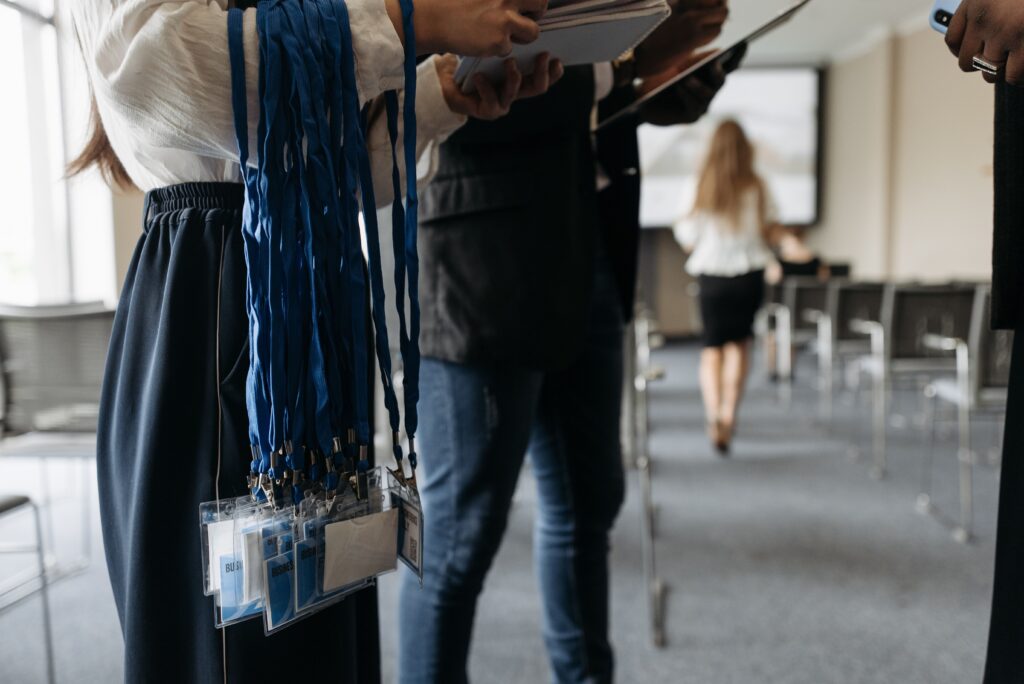
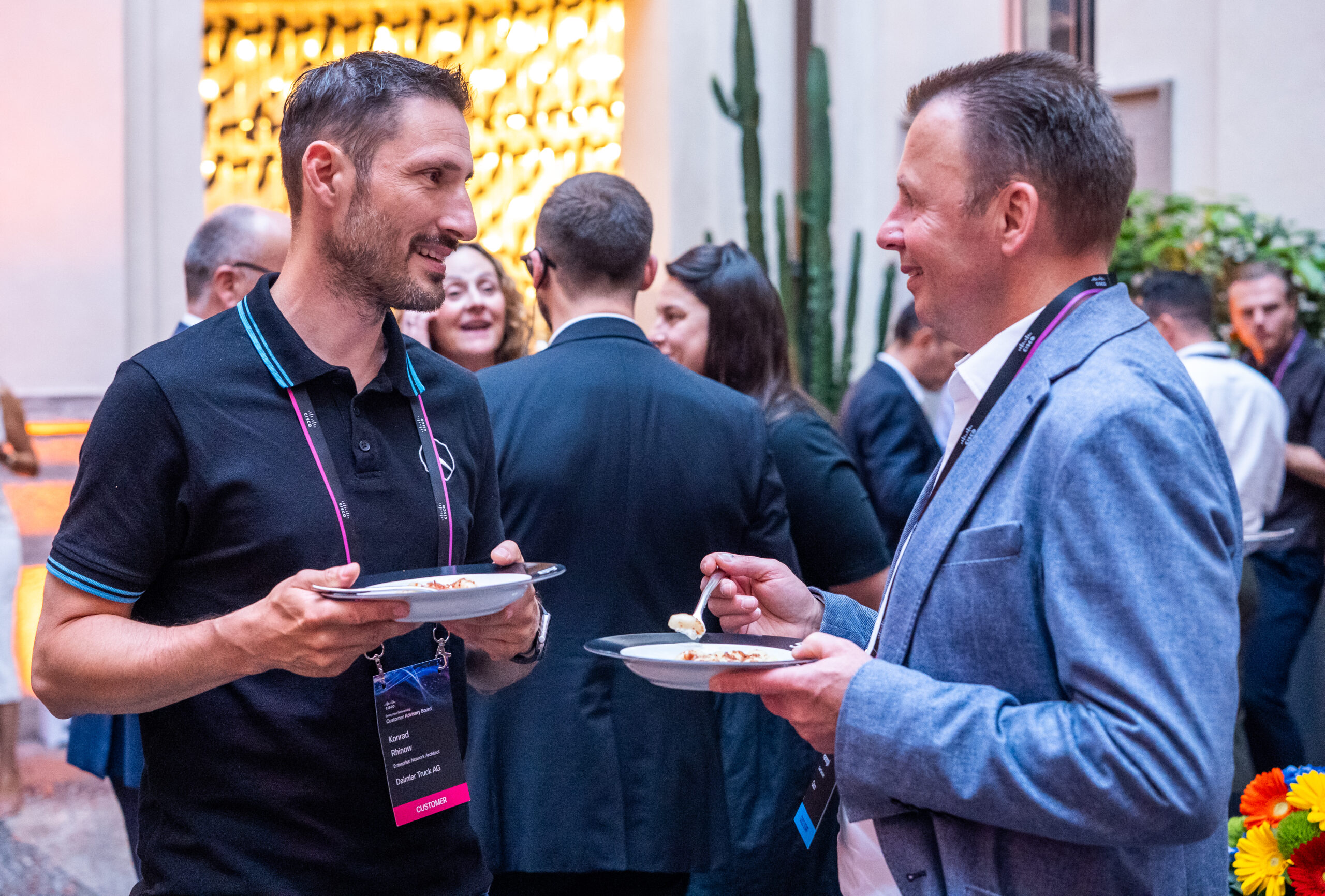
Name badges deserve more attention than they often receive. Large, readable first names are more useful than badges dominated by a company logo. Adding a role, industry or a simple conversation prompt can help guests find common ground quickly. For senior audiences, discreet but clear badges often work better than highly branded lanyards.
Hosts are the human infrastructure of the room. Brief them on the guest list, the event objective and the introductions that would be most valuable. A good host does more than welcome people at the door. They spot someone standing alone, connect guests with a genuine shared interest and move conversations on gracefully when appropriate.
Design food, drink and timing around guest flow
Catering can either encourage conversation or stop it. A single busy bar creates queues and separates guests from the room. Multiple service points, tray service on arrival and well-positioned water stations make it easier for conversations to continue. If budget allows, placing food in more than one area can also draw guests through the space.
Choose food that is easy to eat standing up. Small bowls, canapés and manageable sharing plates are often more practical than anything requiring a knife, fork and a precarious glass. However, the right catering style depends on the time of day and guest expectations. A client dinner may require a seated meal for proper relationship development, while a conference drinks reception benefits from movement and flexibility.
Timing matters too. A 90-minute reception can work for a focused post-conference session, but a larger client event may need two to three hours, with an early peak when most guests arrive. Avoid lengthy speeches in the middle of the strongest networking window. If a welcome address is needed, keep it concise and deliver it early, before groups settle.
Plan the practical details guests remember
Good networking event planning accounts for the small points that shape a guest’s confidence. Registration should be quick, welcoming and staffed by people who can answer practical questions. Cloakroom capacity, clear signage, accessible routes and adequate toilets are not glamorous subjects, but poor delivery in any of these areas can change the tone of an event.
Production should support the experience rather than dominate it. If there is a speaker, ensure every guest can hear them and that screens are visible without forcing people into rigid rows. Consider lighting zones: brighter around arrival and catering areas, softer in lounge spaces, and enough light for guests to read badges and make eye contact.
For events with high-profile guests, sensitive discussions or commercial announcements, build privacy and security into the plan from the start. This may involve a private entrance, discreet guest-list management, NDAs for suppliers or a separate room for confidential meetings. The right approach depends on the sector and guest profile, but it is far easier to plan than to add later.
Make follow-up part of the event, not an afterthought
The value of a networking event is often realised after guests have left. Decide beforehand how you will capture consent, share relevant materials and encourage next steps. A timely thank-you message can include a useful event insight, speaker takeaway or invitation to continue a conversation, rather than a generic note sent weeks later.
Your internal hosts should also debrief promptly. Record the introductions made, opportunities discussed and any guests who would benefit from a personal follow-up. This is especially valuable for client events, where relationship knowledge can easily be lost between teams.
For larger or more complex events, one experienced event partner can coordinate venue, catering, production, guest management and suppliers under one plan, contract and invoice. At The Event Book, this allows internal teams to stay focused on their guests while the operational details are managed carefully behind the scenes.
The strongest networking events do not try to force a room into instant chemistry. They make it easy for the right people to arrive, feel comfortable, find a reason to talk and leave with a worthwhile next conversation already in mind.
FAQs
What is networking event planning?
Networking event planning involves designing the venue, guest experience, programme, catering and follow-up to encourage meaningful professional connections.
How do you plan a successful networking event?
Start with a clear business objective, understand your audience, choose a suitable venue, create natural conversation opportunities and plan effective post-event follow-up.
What makes a good networking event venue?
A good venue should provide comfortable circulation space, clear arrival areas, suitable acoustics, accessible facilities and quieter areas for focused conversations.
How many people should attend a networking event?
There is no fixed ideal number. The right guest count depends on the event objective, venue capacity and how much meaningful interaction you want guests to have.
What activities can improve networking at corporate events?
Short presentations, panel discussions, demonstrations, hosted experiences and carefully planned introductions can give guests natural reasons to start conversations.
Why is follow-up important after a networking event?
Follow-up helps turn event conversations into ongoing relationships, business opportunities and useful professional connections