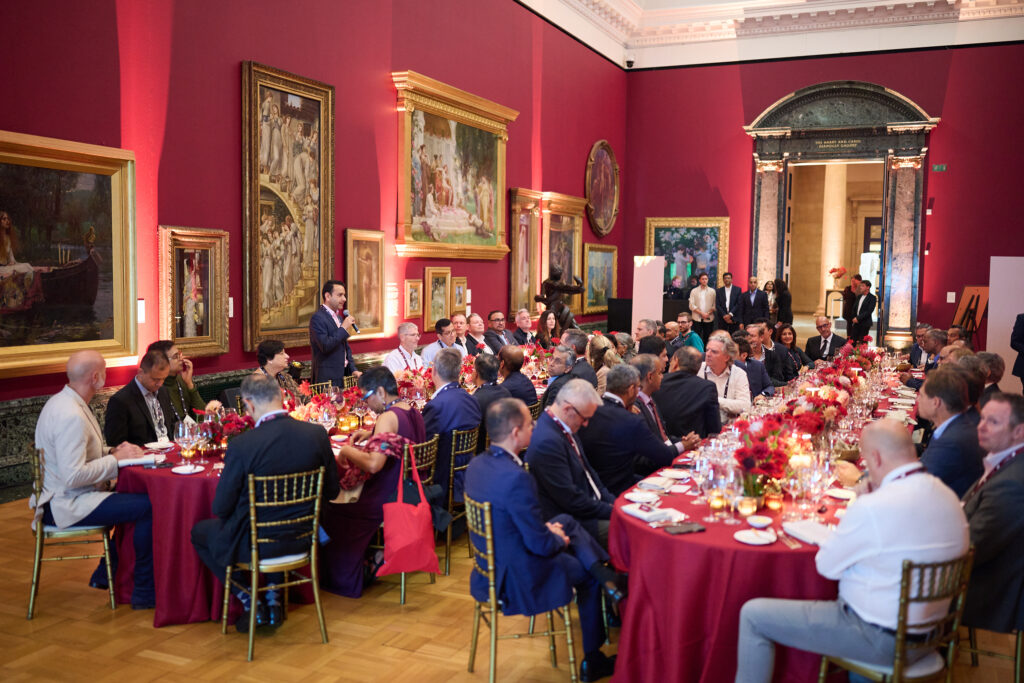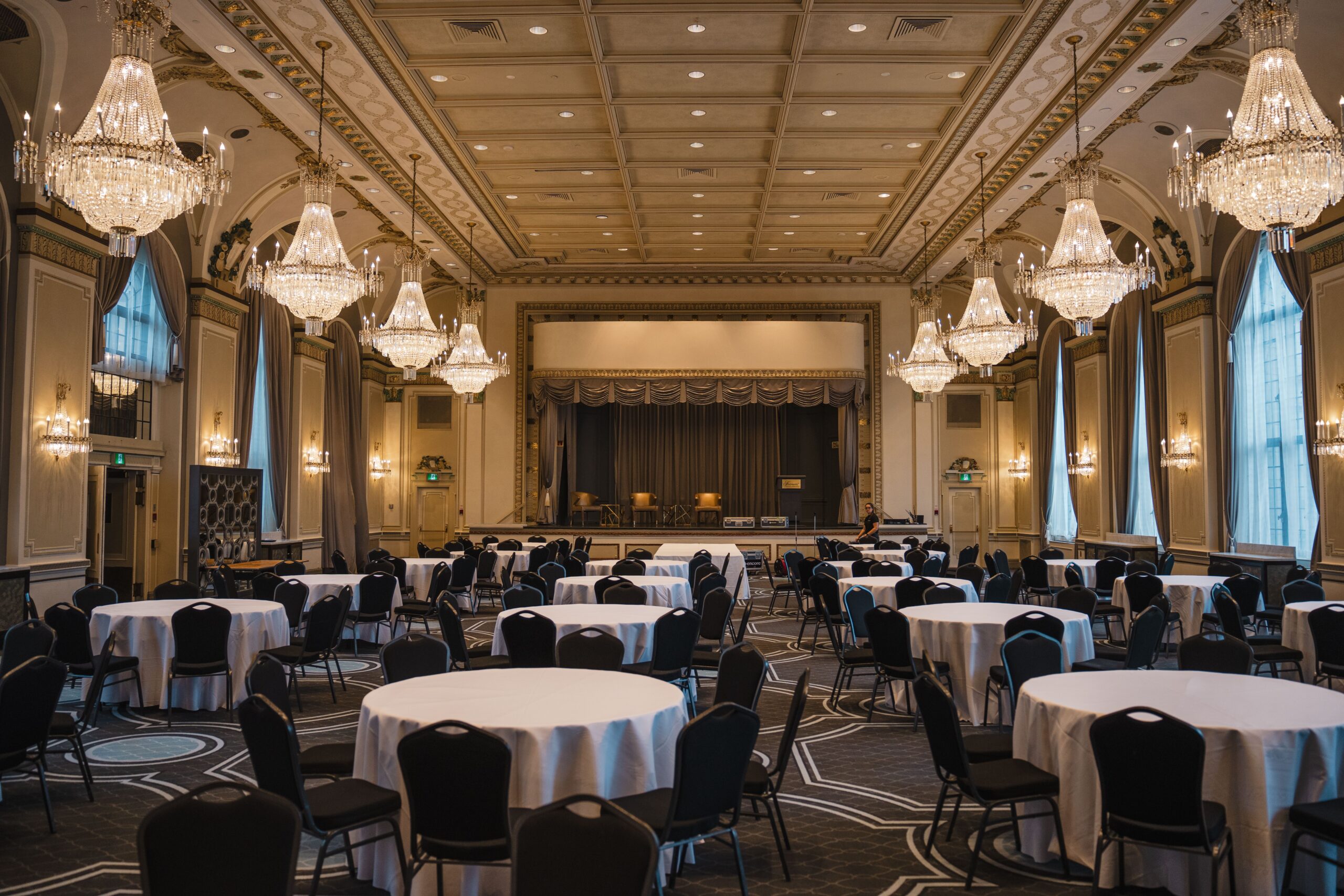
A venue search can look straightforward until the first replies arrive: one space is technically available but too small for the preferred layout, another has a low room hire but costly catering, and a third needs more production than the budget allows. Useful venue finding service reviews should reflect how well a provider handles these practical details, not simply whether they sent a long list of venue names.
For corporate teams, the right service saves time, reduces uncertainty and provides a clearer basis for decisions. That matters whether you are arranging private dining for 25 colleagues, a Central London Christmas party for 200 guests, or an international conference with accommodation and exhibition requirements.
What good venue finding service reviews should tell you
A review is most helpful when it explains what the client actually needed and how the venue finder responded. “Great service” is encouraging, but details are more revealing. Did the provider understand the event objective? Did they check dates and availability before making recommendations? Were costs presented clearly? Did someone stay involved when the brief changed?
The best venue-finding support is not about pushing a favourite venue. It is about matching the setting to the occasion, audience and budget. A board dinner needs privacy, appropriate service and a layout that supports conversation. A product launch may need a strong arrival experience, reliable rigging points, accessible loading and enough time for a technical build. A conference venue may look ideal online but be impractical if the breakout rooms are too far from the main plenary space.
Look for reviews that suggest the service was responsive but considered. Speed is valuable, particularly when a date is close, but a rushed shortlist that ignores guest flow, accessibility or contractual terms creates more work later.
The value of a free venue sourcing service
There is a reasonable question behind many searches for venue finding service reviews: if the service is free to the client, what is the catch?
In most cases, a venue finder is paid a commission by the venue when a booking is confirmed. The client does not pay a separate fee for the venue search. This allows an experienced agency to gather options, check availability and obtain indicative costs without adding a sourcing charge to the event budget.
That said, free should not mean impersonal or limited. The useful test is whether the provider gives you focused advice rather than forwarding every possible option. A shortlist of three to six well-judged venues is often more valuable than a spreadsheet of 30. It gives your team room to compare while avoiding hours of follow-up with spaces that were never suitable.
A good venue finder should also be clear about where their role begins and ends. Venue sourcing can be used as a standalone service, or it can form the first stage of full event management. The latter may include catering, AV and production, entertainment, branding, accommodation, transport, guest management and onsite delivery. The right route depends on your internal capacity and the complexity of the event.
Human advice makes the shortlist stronger
An online venue directory can be a helpful source of inspiration. It cannot always tell you whether the reception area becomes congested at peak arrival time, whether a listed capacity allows for a stage, or how a venue performs when a schedule runs late.
A real conversation improves the brief before the search begins. An experienced event professional will ask the questions that change the result: Is the guest number confirmed or an estimate? Is the budget inclusive of VAT, service and production? Do delegates need theatre seating, cabaret tables or exhibition space? Is there a requirement for halal, kosher or vegan catering? Are there senior guests, international travellers or access considerations to accommodate?
These are not unnecessary complications. They are the difference between a venue that photographs well and one that works on the day.
The Event Book responds to every enquiry with a real person, not an automated recommendation. With more than 20 years of venue-finding experience, the team can explain the practical differences between London options and draw on direct relationships with venues across the UK and internationally. Your event brief is in safe hands from the first conversation.
What a prompt response should include
A fast turnaround is particularly useful for corporate organisers working to a fixed date, an executive request or a busy seasonal period. Once a complete brief has been received, we aim to provide a shortlist of preferred venues, availability and indicative costs within two working hours.
That target is subject to venue responses and the complexity of the enquiry. A simple private dining request on a midweek date may be turned around quickly. A multi-day conference requiring bedrooms, breakout space, exhibition capacity, international travel access and detailed production specifications naturally needs more checking. It is better to be transparent about this than to offer false certainty.
A meaningful first response should set out why each venue has been selected. It may flag minimum spends, room hire, catering packages, capacities by layout, curfews, likely production costs and any points to clarify. This gives decision-makers the context they need to compare options fairly.
Beyond availability: the questions that protect your budget
Venue availability is only the beginning. Two spaces with similar headline prices can produce very different final costs. An experienced venue finder helps identify the items that are easy to overlook, including service charges, minimum food and beverage spends, cloakroom staffing, security, furniture, Wi-Fi, late licences, additional cleaning, power, loading and overtime.
There is no single “best” venue. A dry-hire space can offer creative freedom and work well for a highly branded awards dinner, but it may require separate suppliers, more production planning and closer cost control. A hotel may offer bedrooms, built-in AV and an experienced events team, making it a sensible choice for a conference, although exclusive use and bespoke styling may be more limited.
Relationships can help at this stage. Venue knowledge may support sensible conversations about rates, added value or terms, especially where dates are flexible or the event has a strong food and beverage spend. No reputable agency should promise the lowest price every time. The more valuable promise is informed advice, realistic comparisons and an advocate who understands what matters to your event.
London expertise, international perspective
London corporate venue finding requires local knowledge because the choice is unusually broad. A historic building in Westminster may suit a gala dinner; a contemporary space in Shoreditch may better fit a creative client event; a hotel near Liverpool Street can simplify travel for delegates arriving by rail. The right answer depends on the audience, format and programme, rather than a postcode alone.
For international event planning, the same principles apply with additional layers. Flight patterns, hotel stock, local transport, venue licensing, supplier reliability and cultural expectations all affect the guest experience. A senior-led team can coordinate these moving parts while giving the client one experienced point of contact. Where full management is appointed, one contract and one invoice can also make administration easier for busy procurement and finance teams.
How to write a brief that gets better recommendations
You do not need to know every detail before requesting a venue search, but a complete brief produces a more relevant response. Share the preferred date or date range, location, guest numbers, format, budget guidance and any non-negotiables. Mention whether the event needs catering, accommodation, exhibition space, accessibility provisions, entertainment, staging or a late finish.
It also helps to explain the purpose. A leadership meeting, staff celebration and client networking evening may all have the same guest count, but they need very different environments. If the brief is still developing, say so. A good venue finder will help you work through the decisions rather than expect a perfect specification from the outset.
The strongest reviews of a venue-finding service usually come from clients who felt listened to, not processed. Give your chosen provider the context behind the event, and they can get to work on your event brief right away – saving your team from contacting dozens of venues while helping you move towards a confident, well-informed choice.
FAQs
What should I look for in venue finding service reviews?
Look for comments about the quality of venue recommendations, communication, response times, understanding of the event brief and overall support throughout the booking process.
How can venue finding reviews help with choosing a service?
Reviews can give you an idea of how a service works in practice, including how well it understands client requirements and supports the venue search.
Are venue finding services useful for corporate events?
They can be useful when organisers need to compare multiple venues quickly or have specific requirements around location, capacity, budget and event format.
What makes a good venue finding service?
A good service should understand the event brief, recommend relevant venues, communicate clearly and make the search and booking process easier for the organiser.
Should I compare several venue finding services?
Comparing services can help you understand differences in their venue networks, approach, client support and experience with the type of event you are planning.
Are online reviews enough to choose a venue finding service?
Reviews are useful, but they should be considered alongside the service’s experience, approach to your brief, communication and the types of venues they can source.