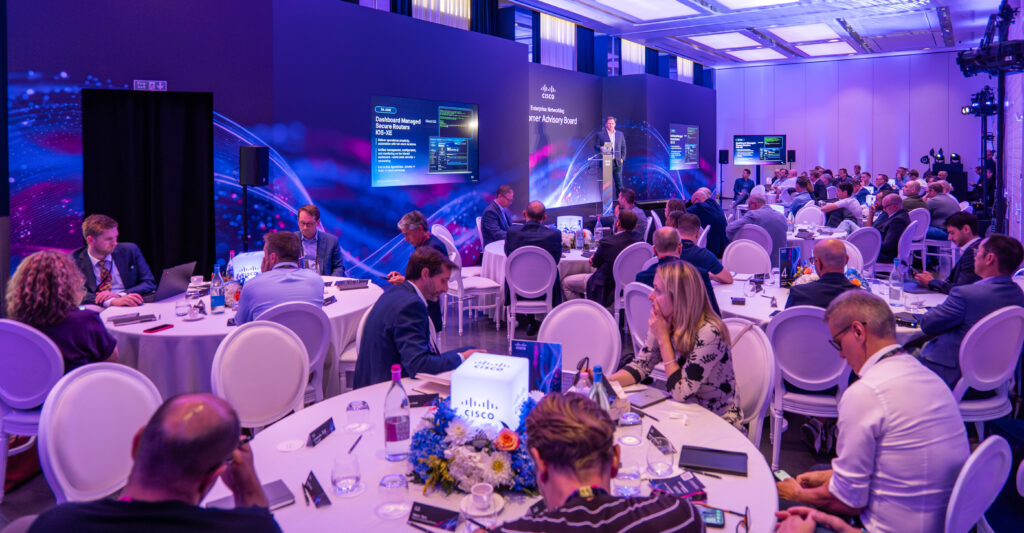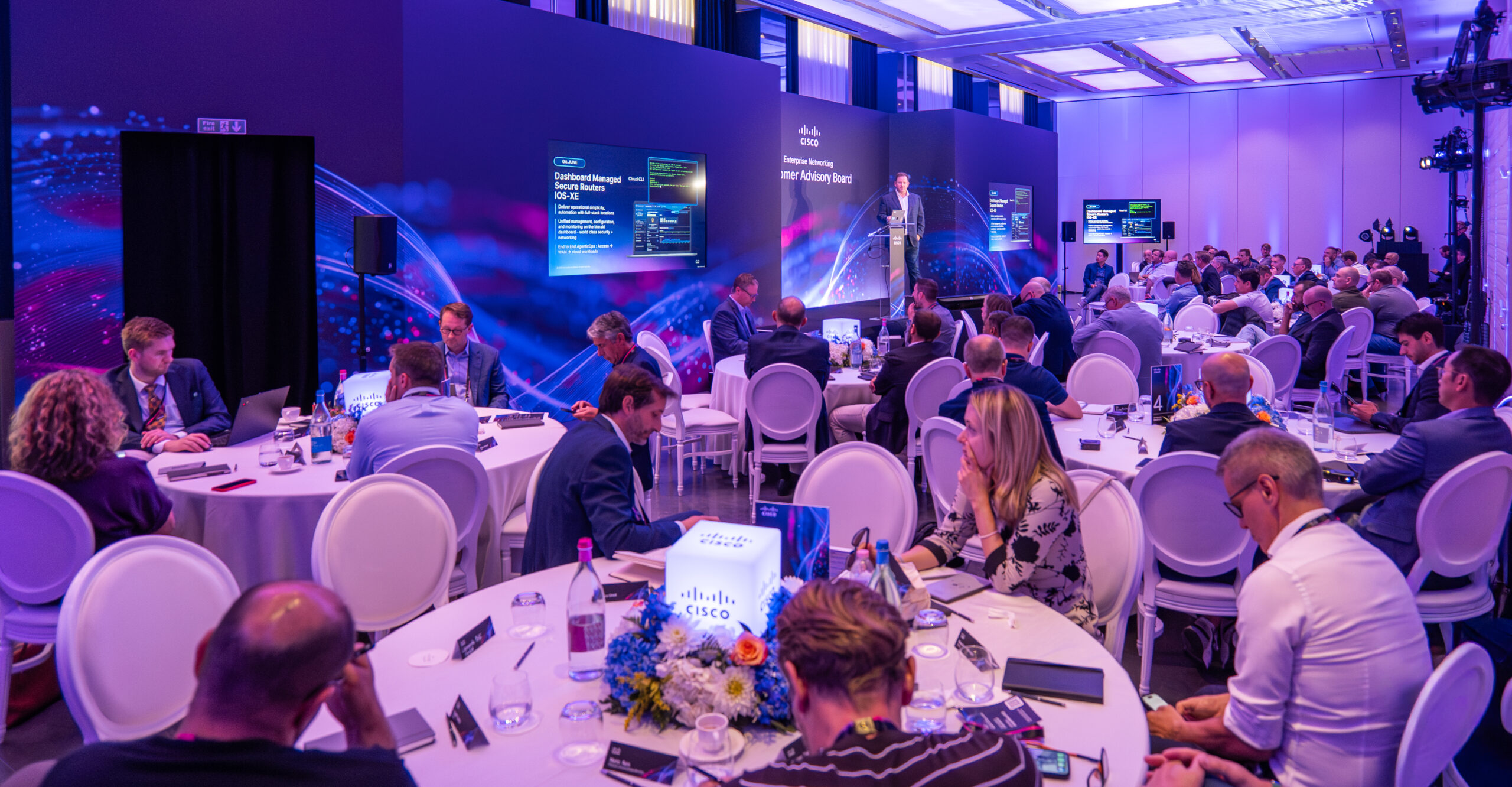
A conference can have an impressive speaker line-up, polished branding and a room full of guests yet still fall short. If delegates leave unclear about the purpose, struggle to hear the content or spend more time queuing than connecting, the investment is hard to justify. So, what makes a successful conference? It is the careful alignment of objective, audience, venue and delivery – with enough practical planning behind the scenes to make the day feel straightforward for everyone attending.
For corporate teams, a successful conference is rarely about making every element bigger. It is about making the right decisions early, then managing the details that shape the delegate experience.
Start with a clear purpose, not a format
Before looking at venues or confirming dates, establish what the conference needs to achieve. Is the priority to share a new strategy, bring together teams after a period of change, educate clients, generate leads or recognise performance? A leadership conference and a client-facing industry summit may both involve presentations and networking, but their content, guest journey and measures of success will be very different.
Be specific about the outcome. “Improve engagement” is a reasonable ambition, but it needs defining. You may want delegates to understand a new direction, commit to a change in behaviour, book follow-up meetings or leave with a clear view of the next quarter’s priorities. Those answers influence everything from the agenda to the room layout.
It also helps to decide how success will be measured before the event. Attendance figures matter, but they are only one part of the picture. Feedback quality, session participation, lead capture, post-event actions and stakeholder sentiment can be more useful indicators. For an internal conference, a short survey and manager follow-up may be enough. For a major external event, registration-to-attendance conversion, meeting activity and pipeline opportunities may deserve closer attention.
What makes a successful conference for delegates?
Delegates notice the event as a whole, not the planning spreadsheet behind it. They remember whether the day respected their time, whether the sessions were relevant and whether they could take part without unnecessary friction.
A programme with pace and purpose
Long agendas often come from good intentions: every department wants a slot, every senior leader has an update, and every subject appears important. The result can be a sequence of presentations that asks too much of an audience.
Build a programme around what attendees need to know, feel and do. Alternate presentation styles where possible. A keynote can establish direction, while a panel, live interview, demonstration or smaller break-out session can bring a topic to life. Allow time for questions, conversation and a genuine comfort break. If networking is a key objective, protect it in the agenda rather than hoping it happens around an over-scheduled lunch.
There is a trade-off. A packed one-day event may suit busy senior attendees, while a two-day format offers more depth and better relationship-building. The right answer depends on audience travel patterns, content volume, budget and the value of time away from work.
Speakers who understand the room
Strong speakers do more than deliver polished slides. They understand who is listening and why the topic matters to them. Brief every speaker properly, including the conference objective, audience profile, running order, time limit and the key message delegates should retain.
Senior internal speakers can be particularly effective when they are candid and well prepared. A clear interview format may work better than a formal speech for a leader who is strongest in conversation. External speakers should add perspective, not simply repeat the points already made by the business.
A good conference producer will also keep an eye on transitions. Even excellent content loses impact when sessions run late, slides are not loaded or panellists arrive at the stage without a clear order of discussion.
A venue that supports the event, rather than merely accommodates it
Capacity is the starting point, not the final test. A venue must work operationally for the event you are planning. Consider plenary space, break-out rooms, ceiling heights, sightlines, stage position, registration flow, catering areas, lift access, loading arrangements and the distance between spaces. For hybrid elements, reliable connectivity and a suitable production position are essential.
Location matters too. A Central London venue near major stations may reduce travel stress for a national or international audience, but it could come at a premium. A venue outside the centre might offer more space, accommodation or flexibility for the budget, particularly for a conference with an evening dinner. Neither is automatically better; it depends on the delegate profile and the purpose of the gathering.
The room should feel appropriately full. A theatre set for 300 can feel flat with 120 delegates, while an overcrowded room makes people uncomfortable and complicates service. The most suitable layout may be theatre, cabaret, classroom, boardroom or a combination across the day. Your venue choice should follow the programme, not the other way round.
Make the practical experience easy
Many event frustrations are avoidable. Clear joining instructions, simple registration, visible signage and a well-briefed welcome team set the tone before the first session begins. Delegates should know where to go, when to be there and who can help if they need something.
Plan the arrival experience with the same care as the stage content. Consider peak arrival times, security procedures, cloakroom capacity and badge collection. For larger conferences, pre-printed badges or well-managed self-service options can reduce queues, but there should always be knowledgeable people available to resolve problems quickly.
Catering deserves equal attention. Refreshment breaks are not just a logistical necessity; they give people space to process content and meet others. Ensure quantities reflect the actual attendance, dietary requirements are handled discreetly and service timings support the agenda. A lunch that starts late or runs too long can affect the rhythm of the entire afternoon.
Accessibility should be considered from the outset, not added as an afterthought. Ask about step-free access, accessible toilets, hearing support, seating requirements, dietary needs, quiet spaces and the clarity of event materials. A thoughtful approach benefits all delegates and reflects well on the organisation hosting the event.
Treat AV and production as part of the message
Production does not need to be extravagant to be effective. It does need to be appropriate. Clear sound, legible content, well-lit speakers and reliable playback are non-negotiable. A poor microphone, an undersized screen or a presenter struggling with slides can quickly undermine otherwise valuable content.
The scale of AV should reflect the room, audience size and format. A small leadership meeting may need a simple screen, confidence monitor and sound support. A large conference could require a stage set, multiple screens, camera relay, branded content, lighting design and dedicated show calling. If guests are joining remotely, factor in a proper streaming plan rather than treating virtual attendance as an add-on.
Rehearsals are one of the best protections against avoidable problems. Test presentations, video files, walk-on music, microphones and remote contributors in advance. Allow speakers to become comfortable with the stage and understand the timing. It is far easier to solve an issue before doors open than while an audience is waiting.
Give networking a reason to happen
“Networking” can sound vague, especially when it is scheduled as a short coffee break between sessions. People connect more readily when they have a prompt, a relevant group or a shared reason to start a conversation.
This may mean structured roundtables, hosted introductions, topic-led break-outs, a sponsor demonstration area or an evening reception with enough time to talk. For an internal conference, mixed seating can help teams meet colleagues beyond their usual department. For a client event, careful guest segmentation may make conversations more productive.
Do not force interaction where the audience would prefer space. Senior leaders may value discreet meeting areas; technical audiences may want longer Q&A sessions. The best format reflects how your particular attendees are likely to engage.
Use expert venue finding to save time and improve the shortlist
Finding a conference venue can become time-consuming quickly. A corporate team may need to compare availability, capacities, hire costs, day delegate rates, production restrictions, catering options and accommodation across dozens of possible spaces. The first attractive venue online is not always the best operational fit.
The Event Book offers free venue sourcing across London, the UK and internationally, from private dining for 25 guests through to major conferences, exhibitions and multi-day programmes. A real person responds to every enquiry, asks useful questions and contacts suitable venues on your behalf. With more than 20 years of venue-finding experience and direct relationships with London and international venues, the team can explain the practical differences between options, not simply send a long list.
Once a complete brief is received, we aim to provide a focused shortlist of preferred venues, availability and indicative costs within two working hours. Timing will always depend on venue responses and the complexity of the enquiry, particularly for larger events or international programmes. The service is completely free to clients, whether you use it as a standalone venue search or ask us to manage the full event.
That support can also help when comparing value. A lower room-hire figure may be offset by high minimum spends, limited access times, compulsory suppliers or additional production costs. Venue knowledge and established relationships can help with rate negotiations and give you a clearer view of what is included, without promising that one option will always be the cheapest.
Build in time for the unexpected
Even well-planned conferences need contingency. Speakers can be delayed, trains can be disrupted, a session can overrun or a key guest can arrive early. Build sensible buffers into the running order, identify decision-makers for the day and ensure the venue, AV team, caterers and event team all work from the same final schedule.
For complex events, one experienced point of contact can make a meaningful difference. Coordinating venue, suppliers, production, catering, guest management and onsite delivery through a senior-led team reduces the chance of information being missed between separate providers. It can also mean one contract and one invoice rather than a collection of disconnected arrangements.
A successful conference leaves people with clarity, useful connections and confidence that their time was well spent. That is achieved through thoughtful choices, not gimmicks – and by giving the planning enough attention that the day itself can feel calm.
Send us your complete brief and we aim to provide a shortlist of preferred options, availability and indicative costs. Speak to a real person. Call us on 020 7523 5046 or email your event brief to events@theeventbook.uk. We respond within 2 hours, Monday to Friday, 9am-6pm.
FAQs
What makes a successful conference?
A successful conference has clear objectives, relevant speakers, a suitable venue, engaging content, reliable technical support and a positive attendee experience.
How do you plan a successful corporate conference?
Start by defining the goals, audience, budget and format. Then organise the venue, speakers, schedule, AV, catering, registration and attendee communications.
How important is venue selection for a conference?
The venue affects accessibility, capacity, comfort, technical facilities and the overall attendee experience. Choose a space that fits the programme and practical requirements.
How can you keep conference attendees engaged?
Use relevant speakers, practical sessions, audience interaction, networking breaks and a well-paced programme that gives attendees reasons to participate.
What technical equipment does a successful conference need?
Requirements depend on the format but may include microphones, sound systems, presentation screens, lighting, reliable internet, video conferencing tools and technical support.
How do you measure conference success?
Measure results against the original objectives. Useful indicators can include attendance, attendee feedback, engagement, learning outcomes, networking opportunities and follow-up actions.