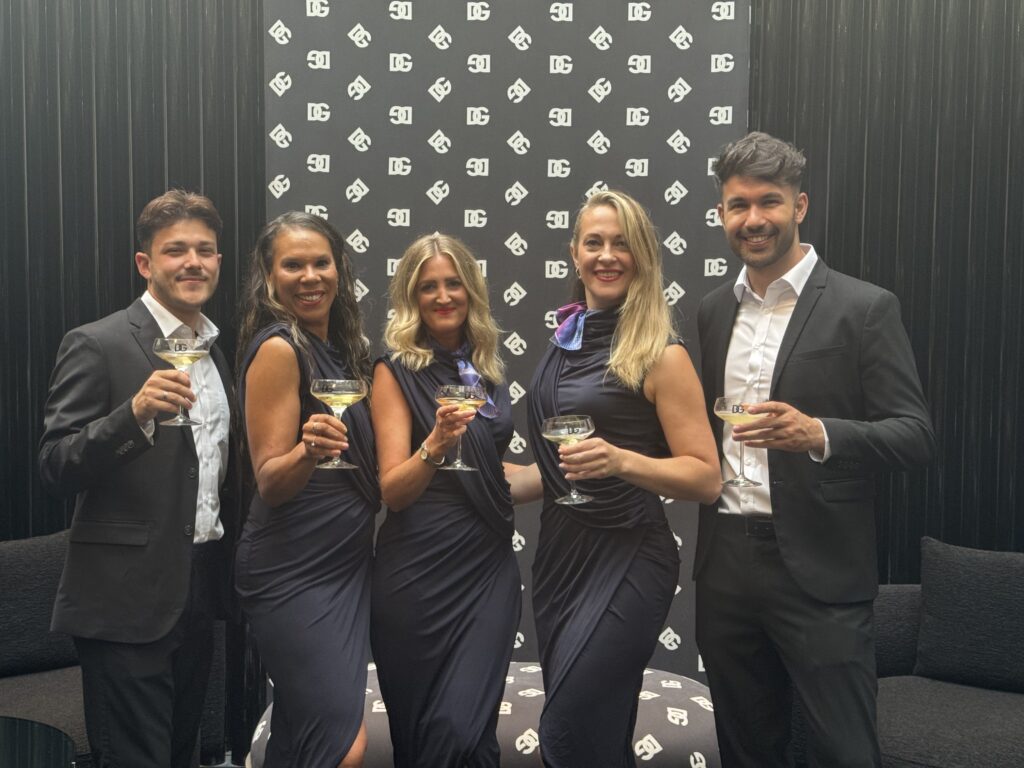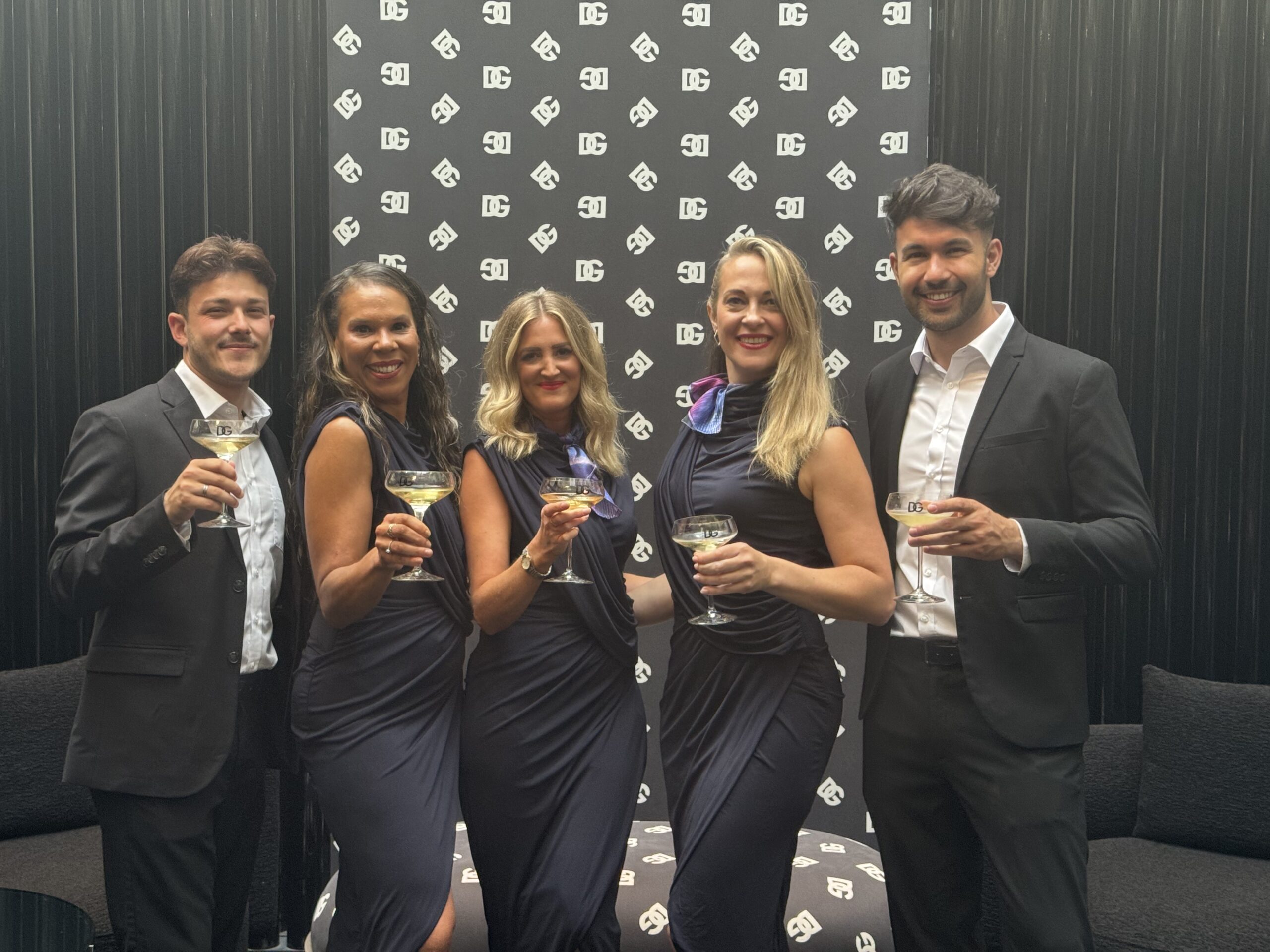
A full room is not necessarily an engaged room. Corporate teams may attend a conference, away day or celebration because it is in the diary, but the real value comes when people feel included, heard and genuinely pleased they gave up their time. That is why employee engagement trends are changing how organisations plan events – and why venue choice now needs to do far more than provide enough chairs and a decent lunch.
For HR, People & Culture teams, internal communications leaders and event planners, the strongest events are designed around a clear human outcome. It might be helping colleagues build relationships after a period of change, giving senior leaders a more credible way to communicate strategy, or recognising the work people have done. The format, venue and programme should support that outcome from the first invitation to the final thank you.
Employee engagement trends are making events more purposeful
The move away from events planned simply because they are annual fixtures is a positive one. Teams increasingly ask what an event is meant to achieve, who needs to feel represented and what people should take away afterwards. A Christmas party may still be a chance to celebrate, but it can also help new starters feel part of the business, bring dispersed teams together and recognise people in a way a gift voucher cannot.
This does not mean every gathering needs a packed agenda or a formal theme. In fact, over-programming can work against engagement. People need room to talk, eat, move about and choose how they take part. The right balance depends on the audience. A leadership summit may require focused content and carefully structured networking, while a company celebration may benefit from a shorter formal moment and more time for sociable experiences.
Purpose also makes venue sourcing more precise. Rather than starting with a generic search for a large London event space, begin with the behaviours you want to encourage. Do people need theatre-style focus, cabaret discussion, informal networking, hands-on activity or a combination of each? Those answers quickly narrow the shortlist and prevent expensive compromises later.
Flexibility is now part of the event experience
Hybrid working has made face-to-face time more valuable, but also more considered. Employees are less likely to view travel to an event as automatic. They want a good reason to attend, a format that respects their time and practical arrangements that make participation straightforward.
For a London-based audience, accessibility might mean choosing a venue close to major transport links, offering a realistic arrival window and avoiding a late finish before an early office day. For organisations bringing people together from across the UK or internationally, it can mean selecting a location with suitable hotels, simple airport connections and enough breakout capacity to make the journey worthwhile.
Flexibility inside the venue matters too. Quiet areas, comfortable seating, clear signage, adaptable layouts and a sensible running order make a noticeable difference. Not everyone enjoys high-energy networking or wants to spend an entire evening on a dancefloor. Giving guests options is not a loss of control. It is often what helps more people feel welcome.
There is a cost consideration. A flexible venue with multiple rooms or extended access may cost more than a single-purpose space. Yet a cheaper venue that forces every part of the event into one crowded room can limit conversation, reduce comfort and create avoidable production challenges. It is worth assessing the whole guest experience, not the hire fee in isolation.
Recognition needs to feel specific, not scripted
Recognition remains one of the most practical employee engagement trends, particularly when organisations are managing change, growth or pressure on retention. Events create a useful setting to acknowledge milestones, long service, team achievements and the effort behind a major project.
The detail is what makes it credible. A short award presentation can be meaningful when the language explains the contribution, rather than relying on broad praise. A leadership welcome works better when speakers understand who is in the room and what has occupied their teams during the year. Even a well-considered menu, entertainment choice or activity can show that the event was planned for this audience rather than copied from last year.
For larger corporate events, build recognition into the programme without making it dominate the evening. Guests generally respond well to a concise, well-produced moment followed by good food, conversation and entertainment. The Event Book often helps clients consider how staging, AV, lighting and room layout can give these moments appropriate impact without turning a celebration into a lengthy presentation.
Shared experiences matter more than passive entertainment
Entertainment still has a place, especially at office Christmas parties and gala dinners, but passive entertainment alone rarely creates connection. The more enduring memories often come from shared participation: a team challenge, a live element guests can influence, a hosted tasting, a creative activity or an informal format that prompts people to speak beyond their usual department.
This should never become participation for its own sake. Some audiences will enjoy a high-energy interactive band or an activity-led reception; others will prefer excellent food, a strong host and space to catch up. Consider company culture, seniority mix, alcohol preferences, accessibility requirements and the time available. A good event plan offers opportunities to engage without making guests feel put on the spot.
Venue layout is central here. Reception areas should allow people to circulate naturally, while dining rooms need enough space for service and sightlines. If entertainment follows dinner, check where it will be positioned, whether the stage is visible and how the room will transition. These practical points can make the difference between a lively shared experience and a programme that loses momentum.
Inclusion is visible in the practical details
Inclusive event planning is not a separate workstream added at the end. It should shape venue selection, catering, communications and programme design from the start. Step-free access, accessible toilets, hearing support, prayer space, dietary requirements, seating arrangements and clear travel information all deserve early consideration.
Catering is a particularly visible example. A menu should offer genuinely appealing choices for guests with dietary or cultural requirements, rather than an afterthought served differently from everyone else. Alcohol-free options should feel equally considered. For a daytime conference, think about energy as well as preference: long queues, heavy lunches and poor coffee service can affect attention more than a perfectly designed slide deck.
There is no single checklist that suits every organisation. Ask early, communicate clearly and work with venues that respond thoughtfully. Experienced event professionals can also flag issues a first-time venue search may miss, such as limited lift capacity, difficult loading access for production, restrictive finishing times or a layout that separates guests unnecessarily.
How free venue sourcing supports better engagement
The venue is not just a backdrop to the agenda. It affects attendance, first impressions, networking, comfort, accessibility and the quality of every shared moment. Yet contacting dozens of venues for availability, capacities, costs and package details is time-consuming, especially when an internal team is already managing stakeholders and deadlines.
The Event Book provides free venue finding for corporate events across London, the UK and internationally. Whether the brief is private dining for 25 guests, a Central London Christmas party for 150 or more, a conference, exhibition or client event, clients speak directly with an experienced event professional who gets to work on the brief right away.
With more than 20 years of venue-finding experience and direct relationships with London and international venues, our team checks availability, gathers indicative costs and presents a focused shortlist of suitable options. We can explain the practical differences between venues, from room flow and production limitations to catering style, accommodation and transport. Those relationships can also support rate discussions, although the right venue is not always simply the one with the lowest headline price.
Once we receive a complete brief, we aim to provide preferred options, availability and indicative costs within two working hours. This timing depends on venue responses and the complexity of the enquiry, particularly for large events, multiple dates or international requirements. Every enquiry receives a human response, not an automated list of spaces that may not suit the event.
Clients can use the complimentary sourcing service on its own, or appoint our senior-led team to manage the full event. In that case, we can coordinate catering, entertainment, AV, production, branding, guest management and onsite delivery, giving clients one experienced point of contact, one contract and one invoice where appropriate.
Start with the experience you want people to have
Before searching for a venue, write a brief that goes beyond date, guest numbers and budget. Explain why people are being brought together, what needs to happen in the room, who is attending, where they are travelling from and any non-negotiables. It gives venue finders the context to recommend options that work in practice, not just on paper.
Send us your complete brief. We aim to provide a shortlist of preferred options, availability and indicative costs. Speak to a real person. Call us on 020 7523 5046 or email your event brief to events@theeventbook.uk. We respond within 2 hours, Monday to Friday, 9am-6pm.
FAQs
What are employee engagement trends?
Employee engagement trends are changes in how businesses build motivation, connection, job satisfaction and commitment among their employees.
Why is employee engagement important for businesses?
Employee engagement can support stronger teamwork, communication, motivation and staff retention. It also helps businesses understand whether employees feel valued and connected to their work.
How can corporate events improve employee engagement?
Corporate events can create opportunities for colleagues to connect, share ideas, recognise achievements and build relationships outside their usual work routines.
What activities can help increase employee engagement?
Options include team-building sessions, recognition events, workshops, company away days, leadership events and social activities. Choose formats that reflect employees’ needs and the company’s objectives.
How can businesses measure employee engagement?
Businesses can use employee surveys, feedback sessions, participation rates, retention data and discussions with managers to understand engagement and identify areas for improvement.
How often should companies organise employee engagement events?
There is no single ideal frequency. Plan events around business goals, employee preferences and available budgets, while making engagement part of everyday working life rather than relying on occasional events alone.