An exhibition can look effortless to visitors while placing considerable pressure on the team behind it. Knowing how to manage exhibition exhibitors means creating a clear, reliable process that protects the exhibitor experience, supports commercial objectives and keeps the event running to time. The strongest exhibitions do not simply sell stand space. They give exhibitors the information, access and practical support they need to meet the right people.
For corporate teams, this starts well before exhibitor sales begin. Your venue, floorplan, communications and operational plan all affect whether exhibitors see value in taking part – and whether they return next year.
Start with an exhibitor proposition, not a stand package
Before inviting businesses to exhibit, be specific about who will attend, why they will attend and what exhibitors can realistically achieve. A stand at a conference for senior decision-makers has a different value to one at a public-facing trade show. The proposition should reflect that distinction.
Set out the expected audience profile, anticipated attendance, opening hours, networking opportunities, included furniture and utilities, lead-capture arrangements, branding options and any speaking or sponsorship opportunities. Be careful not to over-promise visitor numbers. Experienced exhibitors value honest forecasts and good-quality conversations more than inflated claims.
Pricing should also reflect the format. Shell-scheme stands may suit a larger, more traditional exhibition, while tabletop displays or compact showcase areas can work well for a conference with a focused delegate audience. It depends on the event’s purpose, available space and the time exhibitors have to engage with guests.
Choose a venue that works for exhibitors
Venue choice has a direct effect on exhibitor satisfaction. A beautiful setting may be right for a gala dinner but impractical for an exhibition if access is restricted, ceiling heights are low, loading is difficult or the exhibition area sits away from the main delegate flow.
When assessing venues, consider the practical questions exhibitors will ask: where can vehicles unload, when can build begin, what lifts and door widths are available, are there power points where they are needed, and what are the venue’s rules on rigging, internet access, cooking demonstrations or branded structures? Also review where registration, catering and conference sessions sit in relation to the exhibition. Delegates should naturally pass through the space, rather than having to be persuaded to find it.
For exhibitions in Central London, these details can vary dramatically between historic buildings, hotels, purpose-built conference venues and contemporary event spaces. A free venue-finding service can save considerable time here. Rather than approaching dozens of venues, clients can provide one complete brief and receive a focused shortlist based on capacity, location, access, availability and indicative costs.
The Event Book’s venue-finding service is free to clients across London, the UK and internationally. With more than 20 years of venue-finding experience and direct venue relationships, our team can explain the practical differences between suitable options, not simply send a list of room names.
Build a floorplan around traffic, not empty space
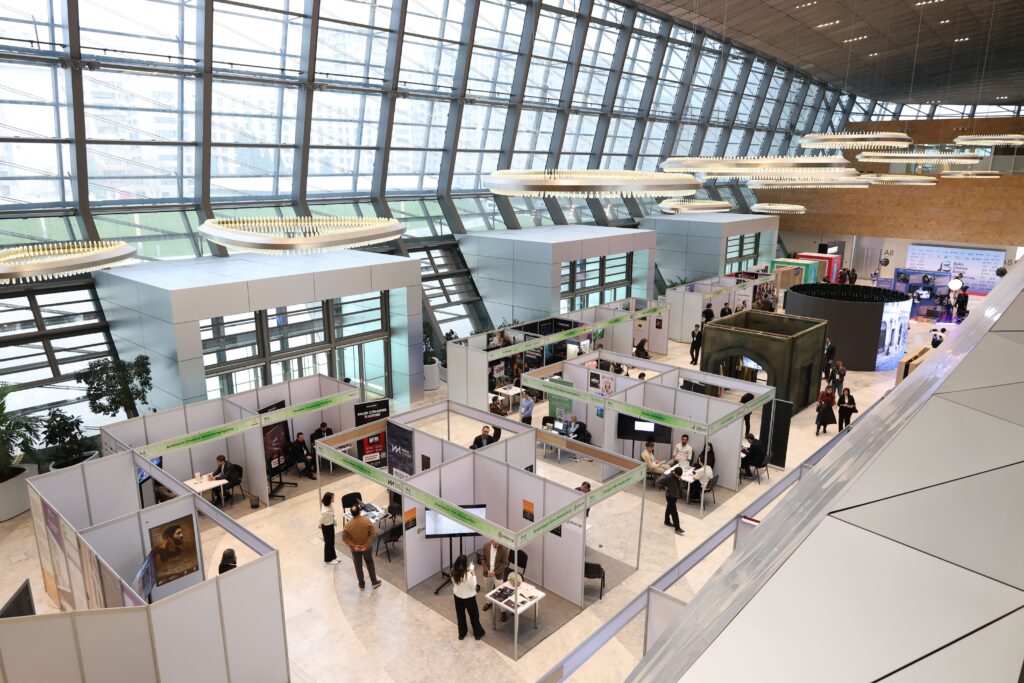
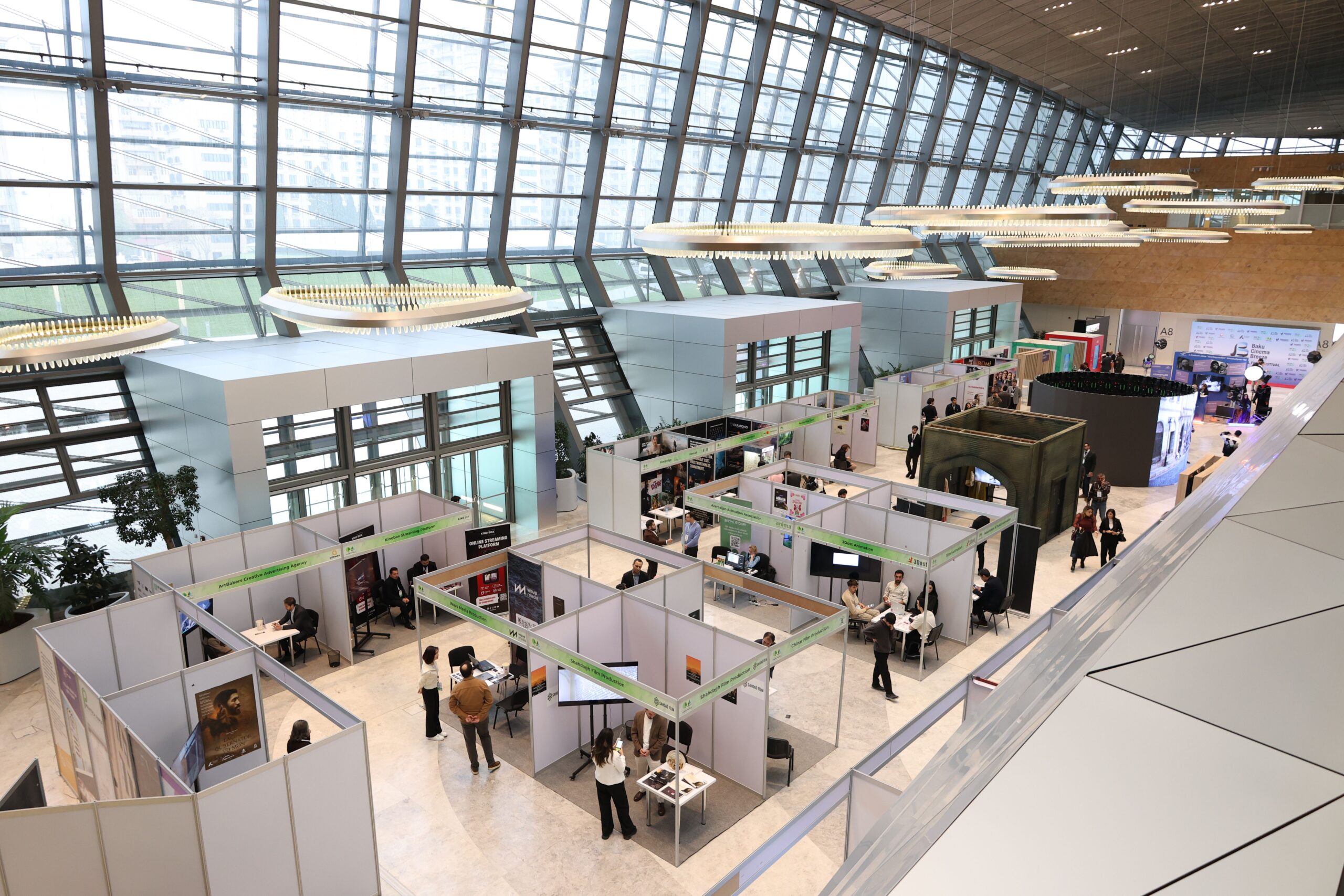
A floorplan is a working tool, not just a sales document. Start with the delegate journey: registration, arrival coffee, session rooms, catering, networking and departure. Place exhibitors where people will naturally gather, particularly around refreshment breaks and transitions between sessions.
Avoid creating a premium row near the entrance and a forgotten row at the back. If the room has an awkward corner or a quieter area, use it for a feature such as a theatre, coffee point, lounge or demonstration zone that gives people a reason to visit. Keep gangways wide enough for busy periods, wheelchair access and service activity, and make sure fire exits, venue access routes and emergency requirements are properly accounted for.
It is also worth agreeing the floorplan with the venue and production team early. A plan that fits on paper may change once staging, catering stations, cloakroom queues, cable runs and sightlines are considered.
Give exhibitors one clear route for information
Exhibitors do not need frequent messages. They need accurate information at the point they need it. Create an exhibitor manual or online information pack that covers deadlines, build and breakdown times, delivery labels, loading instructions, stand specifications, furniture orders, power and Wi-Fi, insurance, health and safety requirements, badges, lead capture and onsite contacts.
Send a concise confirmation immediately after booking, followed by a structured timetable of deadlines. Then use short, practical reminders as key dates approach. If a detail changes, such as loading access or build times, communicate it directly and clearly. Do not assume an attachment has been read.
A named exhibitor liaison is especially valuable. This person should understand the event brief, know the venue process and be able to resolve issues without passing every question between teams. For a large exhibition, the role may need dedicated onsite support; for a smaller conference showcase, it can sit within an experienced event management team.
Manage exhibitor logistics before they become problems
Exhibitor management is often won or lost during build-up. Confirm the loading schedule, vehicle restrictions and access route with the venue, then allocate arrival slots where space is tight. This is particularly relevant at Central London venues, where loading bays, local restrictions and limited storage can quickly cause delays.
Ask exhibitors in advance about large displays, heavy equipment, special deliveries and any activity that requires additional approvals. A vehicle, crate or branded structure that has not been planned for can hold up the build for everyone else.
Onsite, provide visible signage from the loading point to the exhibition area, a staffed registration point and a clear escalation process. Keep essential exhibitor information available to the event team, including mobile numbers, stand locations and outstanding orders. The aim is not to eliminate every issue. It is to deal with issues calmly before they affect the opening.
Create reasons for delegates to engage
Even a well-sold exhibition can feel quiet if delegates spend every break checking emails or staying in session rooms. Build engagement into the event programme. Longer refreshment breaks, a drinks reception in the exhibition area, hosted tours, prize draws and scheduled demonstrations can all help, but the right choice depends on the audience.
For senior corporate delegates, an overly loud activation may feel out of place. A hosted networking format, expert-led demonstration or targeted introductions may deliver better results. Encourage exhibitors to arrive with a clear conversation starter and a follow-up plan, rather than relying on brochures alone.
You can also support engagement through data. If registration information permits, share useful attendee insight in advance, such as sector mix, seniority or areas of interest. Be transparent about what will and will not be shared, and ensure your approach meets data protection requirements.
Measure the experience and protect future revenue
After the event, exhibitors want to know whether the investment was worthwhile. Gather feedback promptly while the experience is fresh. Ask about lead quality, footfall, stand location, build process, communication, venue suitability and whether they would exhibit again.
Numbers matter, but context matters too. A smaller exhibition that produces meaningful conversations can outperform a busy room filled with people outside an exhibitor’s target market. Use feedback to refine stand locations, pricing, programme timings and the next event’s proposition.
For organisers, this is also the point to review venue performance. Did access work as planned? Were service charges clear? Did the room layout encourage traffic? These lessons make the next venue search more precise and help avoid repeating costly compromises.
Get experienced support at the planning stage
A complete exhibition brief should include your preferred dates, guest and exhibitor numbers, location, budget, exhibition format, conference requirements, catering, access needs and any production considerations. The more complete the brief, the faster the venue search can be.
The Event Book responds personally to every enquiry. Speak directly with an experienced event professional who can ask useful questions, contact suitable venues and get to work on your event brief right away. Once a complete brief is received, we aim to provide a shortlist of preferred options, availability and indicative costs within two working hours, subject to venue responses and the complexity of the enquiry.
Our free venue sourcing can be used on its own, or you can appoint us to manage the wider event, including catering, AV, production, branding, guest management and onsite delivery. One experienced point of contact, one contract and one invoice can make a complex exhibition far easier to manage.
Send us your complete brief. Speak to a real person. Call us on 020 7523 5046 or email your event brief to events@theeventbook.uk. We respond within two working hours, Monday to Friday, 9am-6pm. Your event brief is in safe hands.
FAQs
What does exhibition exhibitor management involve?
Exhibitor management involves coordinating exhibitor communication, stand allocations, registration, technical requirements, deliveries, installation schedules and support throughout the exhibition.
How do you manage exhibitors before an exhibition?
Send exhibitors clear information about registration, stand specifications, deadlines, branding guidelines, deliveries, access arrangements and health and safety requirements. Provide one clear point of contact for questions.
What should an exhibition exhibitor manual include?
An exhibitor manual should explain stand arrangements, venue access, installation and breakdown times, technical services, delivery instructions, safety procedures, registration and important deadlines.
How do you manage exhibition stand allocations?
Create an accurate floor plan that considers stand sizes, exhibitor requirements, visitor movement, access routes and any sponsorship arrangements. Confirm allocations with exhibitors and communicate changes promptly.
How can organisers improve the exhibitor experience?
Provide timely information, clear instructions, straightforward registration and accessible support. Make sure exhibitors understand what is included with their stand and how to resolve problems during the event.
What should organisers manage during exhibition setup and breakdown?
Coordinate exhibitor access, deliveries, contractors, installation schedules, technical requirements, safety checks and the removal of stands and equipment. Clear timings and responsibilities help avoid delays.