A guest’s first experience of your event may be standing outside a station in the rain, trying to find the correct entrance. Their last may be deciding whether they can safely get home after dinner and speeches. A considered London event transport planning guide is not simply about booking coaches or sending a postcode. It is about protecting the guest experience at the moments when London is least forgiving of assumptions.
For a conference, gala dinner, office Christmas party or international incentive programme, transport affects attendance, punctuality, accessibility and how relaxed people feel on arrival. The right plan depends on the venue, guest profile, timing and budget. What works for a 60-person leadership dinner in Mayfair will not suit a 400-person awards evening near the river in December.
Start transport planning when you shortlist the venue
Transport should be part of the venue decision, not an operational detail left until the final week. A beautiful Central London venue can be difficult for a large group if it has no practical coach set-down point, a narrow loading bay, restricted vehicle access or a long walk from the nearest station.
When comparing venues, ask how guests will arrive between 30 and 60 minutes before the advertised start time. Look beyond the nearest Tube station. Is the route well lit? Will guests be able to identify the entrance easily? Is there a separate event entrance, and can it cope with several hundred people arriving at once? A venue five minutes from a station can still create a queue around the block if security, cloakroom and registration have not been planned for the arrival pattern.
For corporate events with senior guests, clients or overseas delegates, proximity to a major rail terminus, hotel cluster or taxi rank may matter more than being close to a single Underground line. For employee events, a location that feels central and straightforward to reach from different parts of London is usually more valuable than one that is technically prestigious but inconvenient.
Check the operational detail, not just the map
Venue teams should be able to confirm vehicle approach routes, coach set-down arrangements, loading bay dimensions, access times and any local restrictions. Do not assume a coach can wait outside while guests disembark, particularly in Westminster, the City, Covent Garden or around major visitor attractions. It may need to set down, leave the area and return at a pre-agreed collection time.
This is also the point to check whether congestion, Ultra Low Emission Zone charges, parking costs or permits sit within your quoted transport price. These are not necessarily deal-breakers, but they should be visible in the budget from the outset.
Build the journey around your guests
The most effective transport plans begin with a simple question: who is travelling, from where, and at what time? A delegate list tells you far more than a generic assumption that everyone will use public transport.
If most guests work from one office, a coach transfer from the workplace can improve attendance and create a sociable start to a company celebration. It is particularly useful for venues that are awkward to reach, winter events finishing late, or groups travelling together from outer London. For a dispersed workforce, offering a coach from one office may exclude more people than it helps. In that case, clear public transport guidance and a sensible late-night taxi policy may be the better investment.
International groups need additional thought. Guests may arrive from different hotels, carry luggage, have limited familiarity with London and be less comfortable changing lines during peak periods. Hotel-to-venue transfers, a meet-and-greet team and a named transport contact can remove considerable friction. For smaller VIP groups, executive cars offer flexibility; for larger groups, coaches are usually more cost-effective but demand tighter timing and clearer communication.
Accessibility must sit within the main plan, rather than being treated as a separate request. Confirm step-free routes, vehicle lift requirements, space for mobility aids, walking distances and accessible toilet locations at the venue. Ask guests discreetly about requirements during registration, then make individual arrangements without making anyone feel singled out.
Plan arrivals in waves, not one fixed time
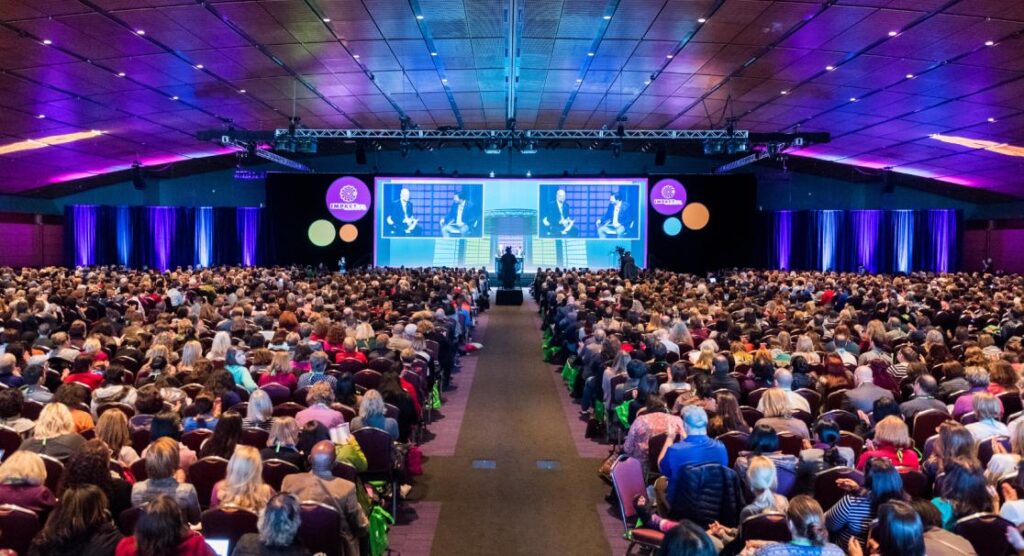
A common mistake is asking 300 guests to arrive at 6.30pm and expecting the venue to absorb everyone immediately. In reality, people arrive in clusters: colleagues travel together, a delayed train releases a group at once, and taxis reach the door in bursts.
For larger events, use an arrival window and design the front-of-house operation around it. If drinks are available from 6.30pm and dinner begins at 7.30pm, tell guests precisely that. Ensure registration, security, cloakroom and welcome drinks can handle the peak. Where coaches are involved, stagger their scheduled arrival times by venue access capacity rather than sending every vehicle to the door at once.
A well-written guest communication should include the full venue address, the entrance guests should use, the nearest useful stations, walking time, a landmark to look for and a mobile number for help on the night. If the route is not intuitive, include a simple visual map or arrival image. “Near Waterloo” is not enough for someone trying to find the right side of a large station after dark.
Account for London’s changing conditions
London transport conditions can shift quickly because of engineering works, demonstrations, road closures, sporting fixtures or poor weather. For high-profile events, monitor likely disruption in the days before and communicate any alternative routes early. On the day, a transport lead should have current driver details, vehicle registrations, guest contact information and a direct line to the venue.
There is a trade-off here. You do not need to alarm guests with every possible disruption, but pretending no disruption is likely leaves people unsupported. Keep messages calm, specific and practical: which station to avoid, when to leave, where to meet, and who to call.
Treat the departure as seriously as the arrival
The end of an event is where transport planning is most often tested. Guests leave together, mobile phone batteries are low, the weather may have turned, and public transport frequency can reduce later in the evening. At Christmas, demand for taxis and private hire vehicles can be especially high.
Before confirming the event schedule, check the final train and Underground options relevant to your guest mix. A dinner that ends at 11pm may be perfectly workable on a Thursday but need a different approach on a Saturday, during planned line closures or for guests returning beyond London.
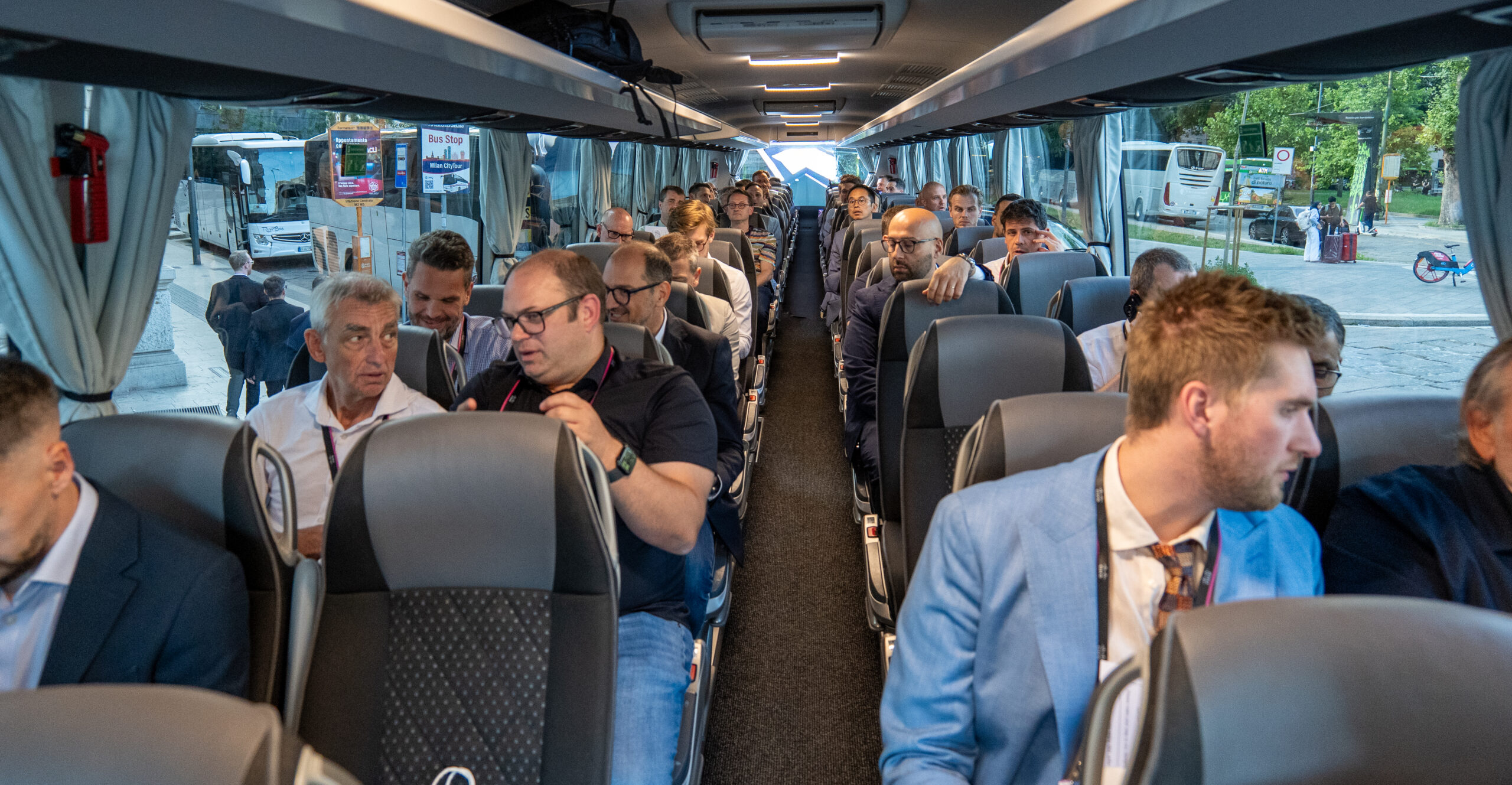
For a large corporate Christmas party, pre-booked coaches to key office locations or transport hubs give guests certainty and reduce queues outside the venue. Collection points should be visible, stewarded and communicated before the event, with a final reminder during speeches or on screens. Build in a sensible grace period, but make it clear that a coach cannot wait indefinitely for late departures.
For executive groups or VIPs, pre-arranged cars should have a holding plan and a named collection contact. Drivers need the correct entrance, collection time, passenger name and contingency instructions. A car booked without these details can still become a frustrating experience on a busy Central London street.
Budget for certainty where it has the greatest impact
Transport costs vary sharply according to vehicle size, operating hours, mileage, London charges, waiting time and the date of your event. December Friday evenings, major exhibition periods and peak summer dates can all affect availability and pricing.
Spend where it changes the experience. For some events, that means one well-managed coach service after dinner. For others, the best use of budget is a venue closer to mainline stations, so guests can travel independently with confidence. If an event has a formal dress code, finishes late or is being held in a less connected location, a stronger transport provision is often justified.
Avoid booking transport in isolation from the wider running order. A delayed awards presentation can trigger coach waiting charges, leave drivers out of legal working hours or force guests to choose between leaving early and missing their journey home. Build realistic timings, including the time it takes for 250 people to retrieve coats.
Give one person ownership on the night
A transport schedule is only useful if someone owns it. For complex events, appoint one experienced transport lead to coordinate the venue, drivers, security, registration team and event manager. They should hold a live schedule covering vehicle movements, driver numbers, passenger groups, collection points and contingency actions.
This is particularly valuable where several suppliers are involved. One point of contact can make a quick decision when a coach is delayed, a road is closed or a guest requires an alternative journey. It also prevents internal teams from spending the evening answering calls about where to go.
At The Event Book, we build transport into the wider event plan, alongside venue logistics, guest communications, production and on-site delivery. That means one experienced point of contact, one contract and one invoice, rather than a collection of suppliers for your team to chase.
If you are planning a London corporate event and want practical support with venue access, delegate journeys or late-night departures, call us on 020 7523 5046, email your brief to events@theeventbook.uk, or send us your enquiry to discuss your event transport and venue requirements. We respond within two hours, Monday to Friday, 9am to 6pm.
The best transport plan is often the one guests barely notice: they arrive feeling expected, leave feeling looked after, and remember the event rather than the journey.
FAQs
How do you plan transport for a corporate event in London?
Start when you shortlist the venue. Check transport links, coach access, arrival points, walking routes, guest numbers and the event schedule before booking vehicles.
What types of event transport can companies use in London?
Options can include coaches, hotel-to-venue transfers, executive cars, taxis and public transport guidance. The right mix depends on guest numbers, travel origins, event timing and the venue.
How should I plan transport for a large corporate event?
Use arrival windows, stagger coach times, check venue capacity and give guests clear travel instructions. Registration, security and cloakroom capacity should match the expected arrival pattern.
How do I plan transport for guests with accessibility needs?
Check step-free routes, vehicle lift requirements, space for mobility aids, walking distances and accessible facilities. Gather needs discreetly during registration and arrange suitable support in advance.
How can I manage transport after a London evening event?
Check late train and Underground services before confirming the schedule. For larger events, pre-booked coaches or planned collection points can give guests a clearer and safer way home.
Who should manage event transport on the day
Complex events should have one transport lead who coordinates the venue, drivers, security, registration team and event manager. This gives everyone one clear contact when plans change.